




Every packaging distributor knows the push toward sustainability is past the point of debate. Brands are swapping plastic bubble mailers for honeycomb wrap and replacing petroleum-heavy plastic tape with recyclable kraft alternatives. At Youyi, we watch converters and fulfillment centers invest millions into water-activated paper tape to burnish their green credentials.
Yet, a glaring blind spot remains on millions of outgoing boxes. Many companies seal a 100% recyclable carton with custom paper tape, only to slap a chemical-heavy, toxic shipping label right next to it. That label contains Bisphenol A (BPA), a synthetic developer that compromises the paper recycling stream and rubs off on workers' hands.
A package is only as clean as its dirtiest component. Packaging converters and tape distributors cannot treat shipping labels as an afterthought. Pairing your custom tape product catalog with bpa free thermal paper is the fastest way to build a coherent, compliant, and profitable packaging lineup.
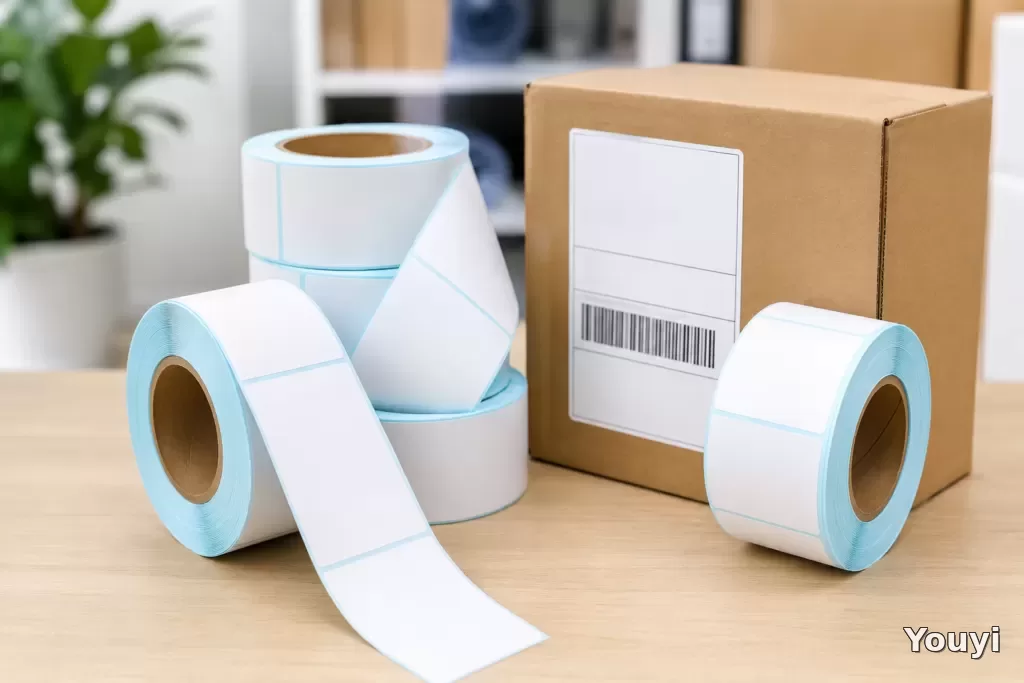
The Hidden Hazard: Why BPA Thermal Paper is Becoming a Business
Liability
Thermal paper relies on a reactive chemical layer to produce text and barcodes under printhead heat. For decades, manufacturers used BPA as an inexpensive, stable color developer. When heat hits the paper, the developer reacts with a leuco dye to create dark lines. The trouble lies in the fact that BPA does not chemically bond to the paper fibers; it sits loose on the surface.
This loose chemical layer poses serious commercial and legal risks for modern supply chains.
Regulatory Crackdowns Across Global Markets
If you supply brands that sell into the European Union, traditional thermal labels are already a legal hazard. The EU REACH regulation (under Annex XVII) prohibits the placing on the market of thermal paper with a BPA concentration equal to or greater than 0.02% by weight. Inspectors do seize non-compliant shipments at European ports.
North American regulators are tightening the net as well. In the United States, California's Proposition 65 lists BPA as a developmental and female reproductive toxicant. Companies face costly private-party lawsuits if their packaging materials expose consumers or workers to listed chemicals without clear warning signs. Washington, New York, and several other states continue to propose and pass restrictions on bisphenols across all paper packaging.
Occupational Safety on the Packing Line
Modern e-commerce warehouses run on speed. A packing operator handles hundreds of shipping labels every single hour. Studies show that handling standard thermal paper leads to rapid dermal absorption of BPA, especially when hands are moist or treated with alcohol-based hand sanitizers common in fulfillment centers.
Third-party logistics (3PL) providers and brand owners are under pressure to improve workplace health metrics. Forcing warehouse staff to handle hazardous labels runs counter to corporate human-safety commitments. By offering bpa free thermal paper, converters solve an operational health dilemma for their end-users before labor groups raise red flags.
Bridging the Gap: Integrating BPA-Free Thermal Paper into Custom Tape Lines
For custom tape converters and packaging distributors, business has grown transactional. Everyone sells water-activated kraft tape, reinforced gummed tape, and printed hot-melt rolls. Price wars inevitably follow commoditization. The answer to margin erosion is building complete shipping surface solutions.
The Tape-and-Label Unified System
Carton sealing and shipping label application do not happen in isolation. They occur at the exact same packaging bench or within the same automated inline system. High-volume shippers want to source their carton closure products and their print-and-apply materials from a single, reliable vendor.
When you present your custom printed tape alongside matching bpa free thermal paper rolls, you eliminate a vendor for your client. You become a total solution provider. A fulfillment center running automated case sealers can buy custom carton tape and direct thermal pallet labels on the same purchase order, cutting their internal procurement costs.
Manufacturers like Youyi supply the foundational materials that let converters supply both categories effortlessly. Aligning your tape offerings with compliant thermal label stocks protects your catalog from getting undercut by single-item discount brokers.
Preserving the Unboxing Experience
Direct-to-consumer (D2C) brands obsess over the moment a box lands on a customer's doorstep. They spend thousands on branded tape with water-based inks and non-toxic adhesives. If an eco-conscious consumer reads a label warning or learns that their box cannot be fully repulped due to toxic dye developers, the brand's reputation takes an immediate hit.
100% Recyclable Packaging: Phenol-free and BPA-free labels ensure clean repulping during the recycling process, keeping paper mills free of endocrine-disrupting chemicals.
Cohesive Brand Storytelling: Brands can truthfully advertise plastic-free, toxin-free shipping when both the tape and the face paper meet the same environmental standard.
Zero Smudging on Delivery: High-performance direct thermal coatings prevent rub-off, keeping delivery data scannable and presentation clean.
Performance vs. Planet: Debunking Myths About BPA-Free Thermal Paper
Some purchasing managers resist switching to greener thermal stock because they remember the early generation of alternative papers from a decade ago. Those early papers faded fast, jammed desktop printheads, and failed basic scuff tests. Chemical engineering has eliminated those flaws.
Modern Developer Chemistry
To eliminate BPA, manufacturers turned to alternatives. While some mills moved to Bisphenol S (BPS), forward-thinking converters skip bisphenols entirely, utilizing urea-based compounds or specialized developer systems like Pergafast 201. These alternatives bond securely within the paper matrix, preventing surface powdering and reducing transfer to human skin.
Print Clarity and Barcode Scanning Accuracy
In logistics, a missing or degraded barcode means a lost package and carrier fines. High-grade bpa free thermal paper delivers optical density levels equal to or higher than standard papers. The black image develops cleanly at lower printhead heat settings, which extends the operating life of expensive thermal printheads across thousands of label cycles.
First-Pass Scan Rates: Premium alternative coatings provide exceptional contrast between white spaces and black bars, maintaining 99.9% read rates under automated laser and camera sorters.
Environmental Stability: Modern coatings resist common warehouse hazards, including light contact with moisture, plasticizer migration from stretch film, and localized friction during transit.
Image Durability: Standard logistics operations require labels to remain legible for 6 to 18 months. Quality BPA-free stocks retain full readability for up to 5 to 7 years when stored under standard warehouse conditions, vastly exceeding shipping requirements.
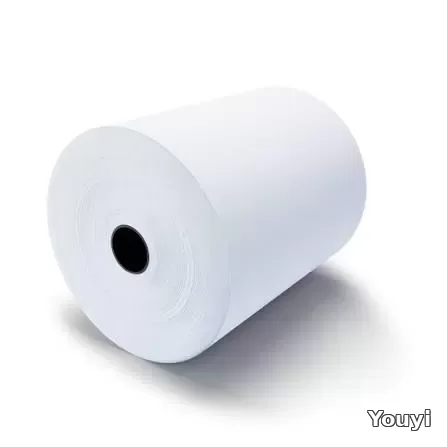
The Strategic ROI: How Going BPA-Free Drives Growth for Converters & Distributors
Switching your inventory is not an act of charity; it is an investment in revenue resilience. Positioning your business as a leader in clean thermal papers opens doors that remain closed to commodity peddlers.
Winning High-Value Enterprise Accounts
Fortune 500 retailers, global healthcare distributors, and certified B-Corps maintain strict Environmental, Social, and Governance (ESG) guidelines. Their procurement teams run through vendor assessment scorecards that review supply chain toxicity. They request compliance certificates for RoHS, REACH, and California Prop 65 as standard onboarding steps.
If you offer custom kraft tape but your thermal roll products still contain legacy bisphenols, you fail their audit. Bringing certified bpa free thermal paper to the table qualifies your company for enterprise contracts that command higher volumes, longer contract terms, and better margins.
Insulating Your Business from Supply Shocks
Regulatory bans rarely arrive with years of advance warning. When chemical bans take effect, converters scrambling to find replacement paper face factory backorders, surging freight rates, and frantic recertification processes. Youyi helps packaging distributors switch their inventory ahead of regional regulatory deadlines, preventing unexpected write-downs on unsellable stock.
By standardizing your baseline warehouse offerings around clean chemistries, you simplify your SKU management. You stock one premium, compliant paper grade that satisfies the strictest customer requirements instead of managing two parallel inventories of toxic and non-toxic goods.
Frequently Asked Questions
Q1: What is the main difference between BPA-free and phenol-free
thermal paper?
A1: Thermal paper labeled "BPA-free" simply means it
contains no Bisphenol A, though it may still use related chemicals like
Bisphenol S (BPS). Phenol-free thermal paper takes compliance a step further by
eliminating all bisphenols and phenolic compounds, using alternative chemical
developers to ensure compliance with strict environmental standards.
Q2: Does BPA-free thermal paper work with standard direct thermal
printers?
A2: Yes. High-quality bpa free thermal
paper runs seamlessly through all standard direct thermal label
printers, including industrial Zebra, Honeywell, and Sato units. It requires no
specialized printheads or hardware modifications and develops crisp images under
standard temperature profiles.
Q3: How does the cost of BPA-free paper compare to traditional
thermal paper?
A3: Economies of scale have closed the price gap
significantly over the past three years. As global demand shifted away from
bisphenols, base paper mills optimized production of alternative coatings.
Today, the cost difference is negligible, especially when balanced against the
avoidance of regulatory fines, worker liability issues, and packaging redesign
costs.
Q4: Will switching to BPA-free labels affect my barcode scan rates
during transit?
A4: No. In fact, premium BPA-free stocks often
demonstrate better heat sensitivity and background whiteness than low-cost
legacy papers. This produces crisp barcode edges and high visual contrast, which
actually improves first-pass read rates on high-speed courier sorting
conveyors.
Q5: Can thermal paper labels be recycled alongside kraft tape
boxes?
A5: Traditional labels containing BPA contaminate the paper
recycling process because the free chemicals leach into wastewater during
repulping. Switching to certified bpa free thermal paper rolls
helps eliminate toxic chemical contamination, allowing paper recycling
facilities to process corrugated containers and shipping cartons safely.
Build a Future-Proof Packaging Line Today
Packaging distributors cannot afford half-measures. Moving your product catalog toward eco-friendly custom tape while ignoring the chemical makeup of your thermal labels exposes your clients to regulatory scrutiny and weak brand messaging. Sustainable packaging requires an end-to-end commitment, from the glue on the bottom flaps to the barcode on top.
Expand your margins and secure your enterprise accounts with non-toxic, reliable materials. Connect with the technical manufacturing team at Youyi to audit your current product lines, discuss direct slitting capabilities, and request your free industrial trial kit of certified bpa free thermal paper rolls today.
Ready to upgrade your thermal paper supply? Contact our commercial packaging team at sales@yyjnd.com or visit our product inquiry page to request your free compliance sample kit.