




The global demand for specialized adhesive solutions has shifted significantly toward decorative and functional paper-based products. For procurement managers and product developers, selecting high-quality washi tape requires a deep understanding of material science, adhesive chemistry, and manufacturing precision. This analysis examines the technical parameters that define premium masking solutions and how they integrate into large-scale commercial operations.
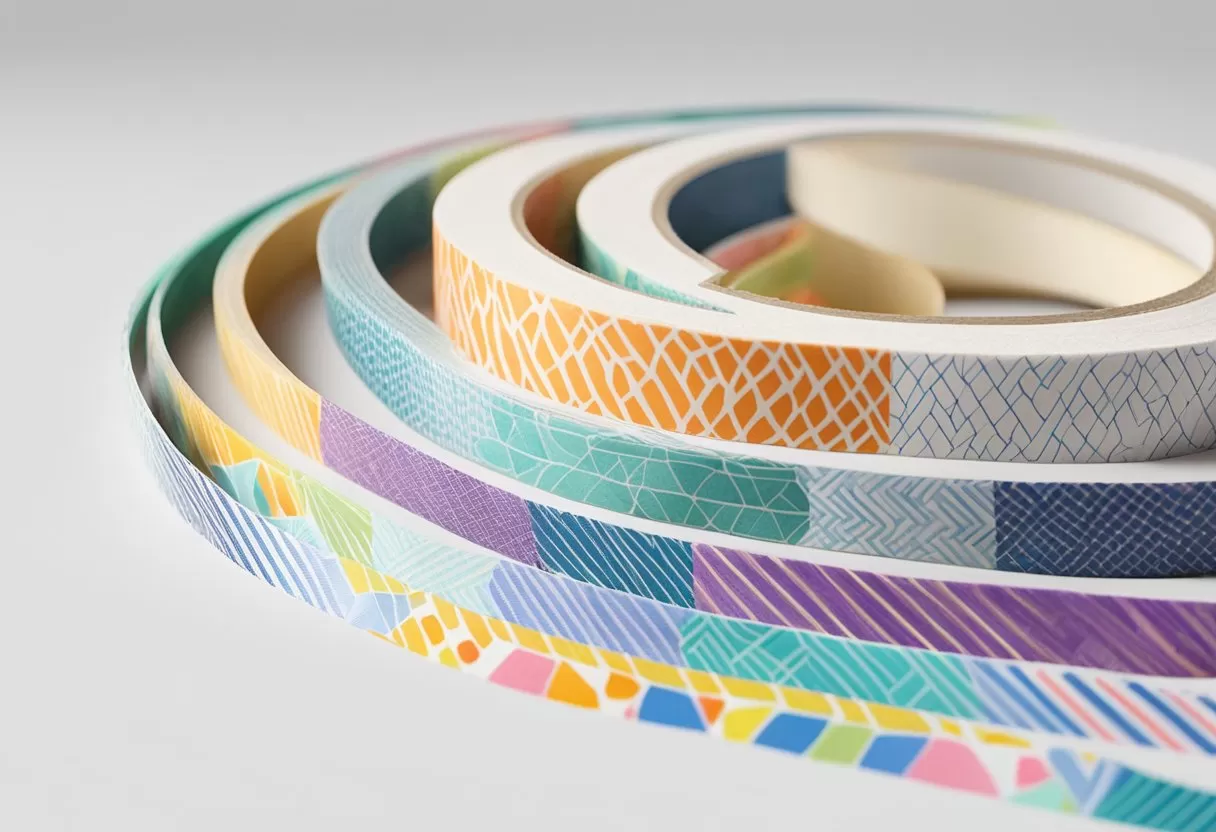
1. Material Science: The Fiber Composition of Decorative Paper
At its core, the quality of a paper adhesive product is dictated by its base substrate. Authentic Japanese-style paper traditionally utilizes long fibers sourced from specific plants like the mulberry tree (Kozo), Gampi, or Mitsumata. In a modern industrial context, these fibers are engineered to provide a specific balance of translucency and tensile strength.
The physical properties of the paper substrate involve several key metrics:
Basis Weight (GSM): Most industrial-grade decorative tapes range from 35 to 60 grams per square meter. A lower GSM offers better conformability on curved surfaces, while a higher GSM provides better opacity and physical durability.
Fiber Orientation: The MD (Machine Direction) and CD (Cross Direction) tensile strength must be balanced to ensure the tape can be hand-torn easily by the end-user while maintaining integrity when being pulled from a high-speed dispenser.
Porosity and Ink Absorption: The surface energy of the paper must be treated to accept complex CMYK or PMS (Pantone Matching System) inks without bleeding, ensuring that intricate patterns remain sharp at high resolutions.
By focusing on these technical specifications, Youy ensures that the base material provides a stable foundation for the subsequent coating processes.
2. Adhesive Chemistry and Performance Metrics
The functionality of a decorative tape is defined by its adhesive. Unlike permanent packaging tapes, the adhesive used in washi tape production must exhibit a delicate balance between "tack" and "removability." This is typically achieved through the application of pressure-sensitive adhesives (PSA), usually water-based acrylics or solvent-based systems.
Technical buyers must evaluate several performance indicators:
Initial Tack: The immediate "grab" of the tape when it contacts a surface. This is measured using the Rolling Ball Tack test.
Peel Adhesion: Measured in Newtons per 25mm (N/25mm), this defines the force required to remove the tape from a stainless steel substrate at a 180-degree angle. For most B2B applications, a low-to-medium peel strength (3N to 5N) is preferred to ensure residue-free removal.
Shear Strength: The ability of the adhesive to resist internal sliding under stress. This is pivotal for tapes used in masking or labeling that may be subject to minor mechanical forces.
Aging Stability: High-quality acrylic adhesives are preferred because they resist UV degradation and oxidation, preventing the adhesive from becoming "gummy" or drying out during long-term storage.
3. Advanced Printing and Color Management Protocols
In the B2B sector, brand consistency is non-negotiable. Custom washi tape orders often involve complex branding elements that require precise color reproduction. Achieving this on a thin, fibrous substrate presents unique challenges compared to standard vinyl or plastic films.
The manufacturing process typically involves rotogravure or digital UV printing. Rotogravure is suited for high-volume orders, offering exceptional color depth and speed. However, for diverse SKU portfolios or limited edition runs, digital printing provides the flexibility of variable data and shorter lead times. At Youy, the manufacturing protocols prioritize color calibration to ensure that digital proofs translate accurately to the final fibrous substrate.
Beyond standard colors, technical coatings can be applied to add value:
Release Coating: A microscopic layer of silicone or a similar release agent is applied to the top side of the tape. This ensures the tape can be unwound smoothly from the roll without lifting the ink or tearing the paper fibers.
UV Varnishing: For products intended for heavy handling, a matte or glossy varnish can be applied to protect the printed layer from abrasion and moisture.
Foil Stamping: Integrating metallic elements requires heat and pressure synchronization to ensure the foil bonds correctly with the paper without compromising the adhesive layer on the underside.
4. Addressing Industrial Pain Points: Residue and Surface Energy
One of the primary challenges in the masking and stationery sector is adhesive transfer—where the adhesive remains on the substrate after the tape is removed. This issue is often exacerbated by "surface energy" mismatches.
High-energy surfaces like glass or polished metal allow for strong bonding, whereas low-energy surfaces like polyethylene (PE) or polypropylene (PP) can be difficult for standard adhesives to grip. A professional manufacturer must calibrate the adhesive formula to suit the intended application surface. For instance, if the tape is used in the automotive or electronics industry for masking, it must withstand high temperatures during baking cycles without cross-linking (which makes the tape permanent and difficult to remove).
To mitigate these risks, quality control teams perform accelerated aging tests and high-temperature exposure trials. These tests simulate months of shelf life or hours of industrial processing to verify that the tape performs as expected under stress.
5. Precision Converting: Slitting and Die-Cutting
The final physical form of the tape is achieved through converting. This involves taking large "jumbo rolls" and processing them into the final retail or industrial widths. Precision is vital here; even a 0.5mm deviation in width can affect the performance of automated dispensing equipment.
Advanced slitting technologies, such as razor slitting or shear slitting, are used to ensure clean, burr-free edges. Inconsistent slitting leads to "edge pick," where the tape begins to fray or lift prematurely. Furthermore, for custom-shaped tapes, flatbed or rotary die-cutting is employed. This allows for intricate silhouettes that go beyond the traditional straight-edge roll, providing a unique aesthetic for high-end stationery brands or specialized masking needs.
The manufacturing protocols at Youy ensure that every roll maintains consistent tension during the winding process. If a roll is wound too tightly (over-tensioned), the adhesive can "ooze" from the sides—a defect known as telescoping or bleeding. Conversely, if wound too loosely, the roll may lose its shape during transit.
6. Sustainability and Regulatory Compliance
Modern B2B procurement is increasingly driven by environmental mandates. Since the base material is paper, there is a natural advantage, but the entire lifecycle must be considered. This includes the sourcing of wood pulp and the chemistry of the inks and adhesives.
FSC Certification: Ensuring that the paper fibers originate from responsibly managed forests is a baseline requirement for many European and North American partners.
RoHS and REACH: For tapes used in electronics or consumer goods, compliance with the Restriction of Hazardous Substances (RoHS) and the Registration, Evaluation, Authorisation and Restriction of Chemicals (REACH) is necessary. This ensures the absence of heavy metals and phthalates.
Biodegradability: While the paper is biodegradable, the focus has shifted toward developing compostable adhesives and water-based inks to ensure the entire product can be processed in eco-friendly waste streams.
7. Logistics, Storage, and Shelf-Life Management
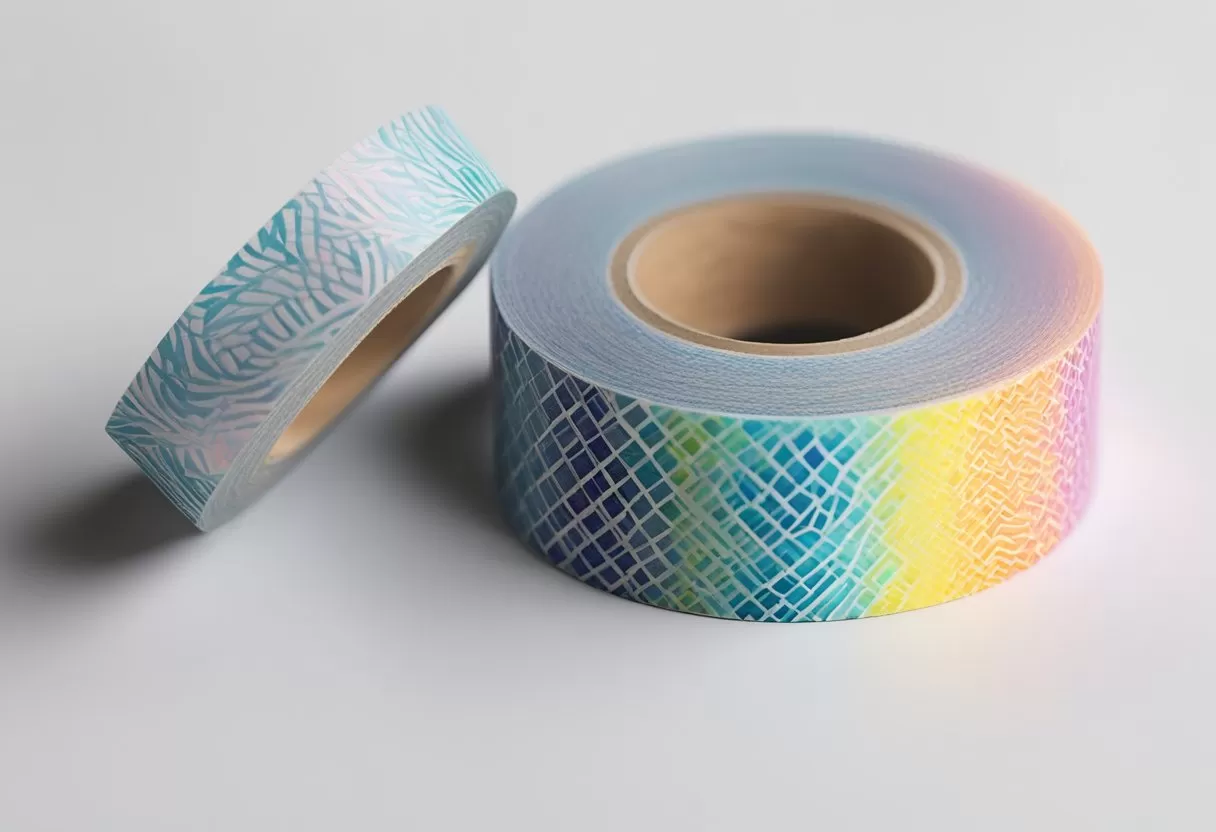
The physical properties of paper-based adhesives make them sensitive to environmental conditions. Unlike synthetic tapes, the moisture content in the paper fibers can fluctuate based on ambient humidity.
Optimal storage conditions for bulk inventory include:
Temperature Control: Ideal storage is between 15°C and 25°C. Excessive heat can accelerate the aging of the adhesive, reducing its tackiness.
Humidity Regulation: Maintaining relative humidity at 40-60% prevents the paper from becoming brittle or overly saturated, which affects the unwinding force.
Vertical Storage: Storing rolls vertically (on their ends) rather than horizontally prevents "flat spots" from developing on the adhesive surface due to the weight of the stack.
Understanding these variables is why Youy remains a preferred partner. We provide detailed storage guidelines to ensure that bulk shipments maintain their technical integrity from the factory floor to the end consumer.
Frequently Asked Questions
Q1: What is the standard lead time for high-volume custom washi tape production?
A1: For large-scale B2B orders, the timeline typically spans 15 to 25 days. This includes the phases of digital proofing, plate making (for rotogravure), printing, coating, and the precision slitting process. Shipping durations vary based on the logistics method and destination port.
Q2: Can the adhesive strength be customized for specific industrial surfaces?
A2: Yes. Adhesive formulas can be adjusted to provide low-tack (for delicate surfaces like vellum or treated paper) or high-tack (for textured surfaces or long-term labeling) versions. It is necessary to specify the surface material during the inquiry phase.
Q3: How does temperature affect the performance of the tape?
A3: Standard decorative tapes are designed for room temperature applications. However, if the tape is used for industrial masking, we can utilize heat-stabilized adhesives that withstand temperatures up to 150°C for short durations without leaving residue.
Q4: Is it possible to print photographic images on the paper substrate?
A4: Yes, using high-resolution CMYK digital printing or fine-screen rotogravure, we can reproduce complex gradients and photographic details. The translucency of the paper should be considered, as the background color of the substrate will influence the final visual output.
Q5: What are the typical width and length limitations for custom rolls?
A5: While the most common width is 15mm, we can slit rolls from 3mm up to 300mm. Standard lengths are usually 5m or 10m, but industrial rolls can be produced in lengths up to 100m for use in automated application machinery.
Partner with Technical Experts for Your Adhesive Needs
Selecting the right manufacturing partner is the most vital step in ensuring your product meets the rigorous standards of the international market. By focusing on material integrity, adhesive precision, and environmental compliance, we help brands deliver superior products to their customers. If you are looking to integrate washi tape into your product line or require a specialized adhesive solution for an industrial application, our team of technical experts is ready to assist.
Contact us today to receive a technical consultation and a detailed quotation for your next project. Our specialists will help you navigate material selection and design optimization to ensure your project’s success.