



In the sophisticated world of pressure-sensitive adhesive (PSA) converting, the efficiency of a production line often hinges on the smallest components. One such component that carries disproportionate weight in the manufacturing cycle is the specialized material used for matrix stripping. High-speed label production and intricate die-cutting operations require a reliable mechanism to remove excess material without causing downtime. This is where high-performance waste discharge tape becomes a fundamental asset for converters globally.
The process of converting raw laminates into finished labels involves complex mechanical stresses. When a die cuts through the face material, the surrounding waste—often referred to as the "matrix" or "lattice"—must be pulled away from the release liner at high velocities. If the bond between the matrix and the stripping mechanism fails, the entire production line grinds to a halt. For manufacturers like Youyi, understanding the molecular interaction between the adhesive and the substrate is the key to developing solutions that withstand these industrial rigors.
1. The Chemical Composition of High-Tack Adhesives
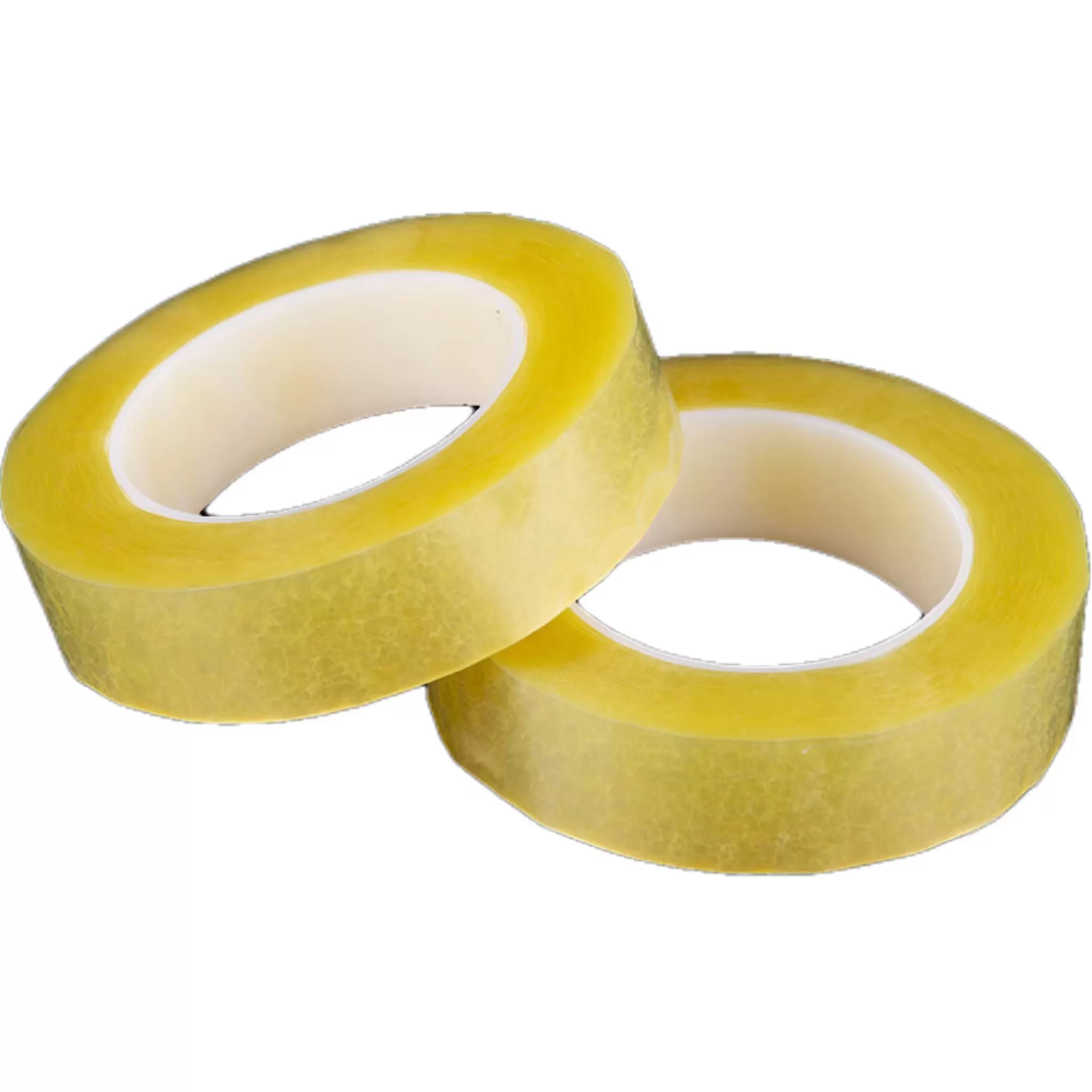
To understand why a specific waste discharge tape performs well, one must examine the rheology of its adhesive layer. Most industrial-grade stripping tapes utilize a high-coat-weight acrylic or synthetic rubber-based adhesive. The objective is to achieve immediate "wet-out" on the surface of the matrix, which may consist of diverse materials ranging from semi-gloss paper to textured films and metallic foils.
The molecular weight distribution within the adhesive determines its ability to absorb the shock of high-speed peeling. A balanced formulation provides high initial tack (the ability to grab the matrix instantly) and high cohesive strength (the internal bond that prevents the adhesive from splitting). In heavy-duty applications, a cross-linked acrylic structure is often preferred because it maintains stability under the heat generated by friction in narrow-web flexographic presses.
Surface Energy and Adhesion Dynamics
Adhesion is not a universal constant; it is a relationship between the tape and the substrate. Low surface energy (LSE) materials, such as silicone-coated liners or certain treated films, present a challenge. The tape must have a surface tension significantly lower than the substrate to ensure proper wetting. When engineers analyze the effectiveness of a waste discharge tape, they must calculate the work of adhesion required to overcome the release force of the liner while simultaneously resisting the tensile force of the stripping pull.
2. Mechanical Properties of the Carrier Film
While the adhesive performs the bonding, the carrier film—or backing—provides the structural integrity. Most premium stripping solutions utilize a biaxially-oriented polyester (PET) or polypropylene (BOPP) film. The choice of carrier is decisive for several reasons:
Tensile Strength: The backing must withstand the constant tension of the winding mandrel without stretching. If the carrier elongates, the timing of the matrix removal shifts, leading to "matrix wrap-ups."
Dimensional Stability: Thermal fluctuations within the factory environment can cause certain films to shrink or expand. PET is often favored for its superior thermal resistance.
Thickness Uniformity: Variations in micron thickness can lead to uneven tension across the web, which is a primary cause of diagonal tearing in thin filmic matrices.
Youyi focuses on maintaining strict tolerances during the extrusion and coating process to ensure that each roll of tape performs consistently from the outer wrap to the core.
3. Overcoming the "Matrix Break" Phenomenon
A recurring pain point in the converting industry is the sudden breaking of the waste matrix, especially when dealing with complex shapes or sharp internal corners. When a matrix breaks, the waste continues through the machine, often sticking to the finished rolls or fouling the die-cutting station. This necessitates a full machine stop, manual cleaning, and re-threading of the web.
The implementation of a high-quality waste discharge tape mitigates this risk by providing a continuous reinforcement to the matrix. By bonding a secondary carrier to the waste lattice, the tape effectively increases the total tensile strength of the waste stream. This allows converters to run their machines at higher speeds—sometimes exceeding 150 meters per minute—without the fear of mechanical failure. The tape acts as a structural spine, ensuring that even thin or fragile matrices are pulled away cleanly from the release liner.
4. Application Scenarios in Specialized Converting
The utility of these materials extends beyond simple paper labels. Various industrial sectors rely on precision stripping for functional components:
Automotive and Electronics
In the production of gaskets, insulators, and flexible circuits, the waste material is often aggressive or heavy. Electronic components often use high-performance films that are difficult to strip. A specialized waste discharge tape ensures that the "slugs" or internal cutouts are removed from the small apertures of a part, ensuring 100% yield during the assembly process.
RFID and Smart Packaging
RFID inlay manufacturing involves delicate aluminum or copper antennas. The stripping process must be forceful enough to remove the waste but precise enough not to damage the sensitive chips or the conductive traces. The controlled peel adhesion of a professional stripping tape is fundamental in these high-tech environments.
5. Optimizing Web Tension and Peel Angles
The physics of waste removal is heavily influenced by the angle at which the waste is pulled away from the liner. Generally, a "sharp" peel angle (close to 180 degrees) is more effective for releasing the matrix from the silicone liner, while a "shallow" angle (90 degrees) reduces the risk of the tape de-laminating from the matrix itself.
Modern converting equipment allows for the adjustment of stripping fingers and rollers to optimize this angle. However, the tape must be versatile enough to handle these variations. A tape with high shear resistance ensures that the adhesive does not "creep" or slide when the angle of force changes during a speed ramp-up. By integrating Youyi products into these systems, operators can achieve a more stable equilibrium between the pull force and the release force.
6. Environmental Resilience in the Pressroom
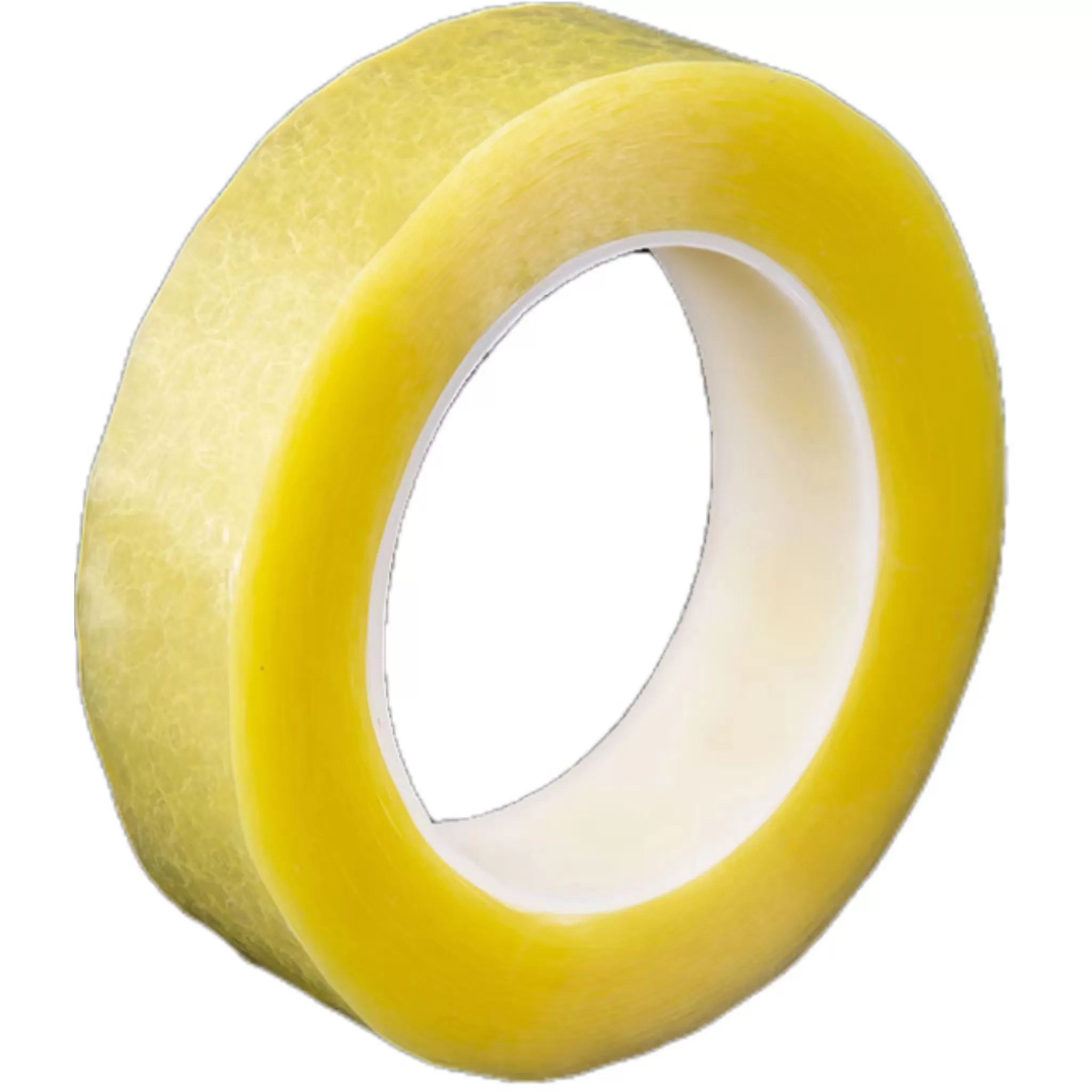
Industrial environments are rarely climate-controlled to a perfect degree. High humidity can soften paper-based matrices, making them more prone to tearing, while cold temperatures can "deaden" certain adhesives, reducing their initial grab. A robust waste discharge tape is formulated to operate across a wide temperature window.
UV-cured inks and coatings also play a role. Some inks leave a residual wax or silicone surface that repels standard tapes. Advanced stripping solutions incorporate chemical promoters that allow the adhesive to bite through these surface contaminants, ensuring a secure bond even on heavily printed or varnished surfaces. This chemical adaptability is what separates professional-grade materials from general-purpose packaging tapes.
7. Economic Efficiency and Reducing Total Cost of Ownership
While the price per roll of tape is a factor, the true measure of value is the reduction in downtime and material waste. Every time a matrix breaks, several meters of expensive face stock and liner are wasted. Furthermore, the labor cost associated with re-tooling or cleaning a die-cutter can be significant.
By using a reliable waste discharge tape, manufacturers can maximize their "Up-time." The ability to run at higher speeds directly translates to higher output per shift. When calculating the Return on Investment (ROI), converters should look at the decrease in "Press Stops" and the increase in overall equipment effectiveness (OEE). High-quality materials from suppliers like Youyi are engineered to provide this level of operational security.
Summary of Technical Benefits
Increased Throughput: Higher stripping speeds lead to faster job completion.
Material Versatility: Effective on PET, PP, PE, and various paper substrates.
Reduced Scrap: Consistent matrix removal prevents damage to finished labels.
Process Stability: High tensile strength carrier films prevent web breaks.
Clean Removal: No adhesive transfer to the machine rollers or the final product.
In conclusion, the selection of a waste discharge tape is a strategic decision for any high-volume converting operation. By focusing on the technical synergy between adhesive chemistry and mechanical backing, manufacturers can solve the most persistent challenges in matrix removal. As global demand for complex packaging and functional labels grows, the role of these specialized tapes will continue to be a cornerstone of manufacturing excellence.
For businesses seeking to optimize their production lines, partnering with an experienced manufacturer like Youyi ensures access to high-performance materials that meet the rigorous demands of the modern B2B market.
Frequently Asked Questions
Q1: What is the primary reason for a waste matrix breaking during production?
A1: Matrix breaks are usually caused by an imbalance between the web tension and the tensile strength of the waste material. This is often exacerbated by complex die-cut shapes, dull dies, or insufficient adhesion from the stripping tape, which fails to reinforce the fragile lattice.
Q2: How does temperature affect the performance of waste discharge tape?
A2: Temperatures that are too low can reduce the "tack" or stickiness of the adhesive, preventing it from grabbing the matrix. Conversely, extreme heat can cause some adhesives to soften and leave residue. High-quality tapes are engineered with a broad operating window to maintain performance in varied pressroom conditions.
Q3: Can these tapes be used on both paper and filmic labels?
A3: Yes, but it is important to select a tape with an adhesive formulation compatible with the surface energy of the substrate. Filmic labels (like PP or PE) often require a higher-tack adhesive compared to standard semi-gloss paper labels.
Q4: Why is a PET carrier preferred over other materials for stripping tapes?
A4: PET (polyester) offers excellent tensile strength and minimal elongation. This ensures that the tape does not stretch under the heavy tension required to pull a large or aggressive matrix, maintaining precise control over the stripping process.
Q5: Does the color of the tape matter in the production process?
A5: While color doesn't affect the adhesive properties, many converters use colored or tinted tapes (such as blue or red) to provide a visual contrast. This allows operators to easily monitor the stripping process and identify if the tape is correctly aligned with the waste matrix.
Q6: How can I determine the correct adhesion level for my specific application?
A6: This is best determined through a "peel test" on your specific substrate. Factors like the type of ink used, the release force of your liner, and the speed of your press will all influence the required adhesion level. Consulting with a technical expert from a supplier can help narrow down the best options.
If you are looking to enhance your die-cutting efficiency or are facing challenges with matrix removal, our technical team is ready to assist you with tailored solutions. Contact us today to discuss your specific requirements and request a quotation for your next project.
Inquire now for high-performance tape solutions.