



In high-stakes industrial packaging—spanning premium food processing, specialty tea and confectionery exports, and industrial chemical logistics—the primary seal of a container often requires secondary reinforcement. Lid displacement, oxygen permeation, and moisture ingress during long-distance transit remain major causes of product degradation. PVC can sealing tape serves as a critical mechanical and atmospheric barrier, bridging the gap between rigid container bodies and removable closures.
Selecting the correct sealing medium requires understanding substrate dynamics, adhesive chemistry, and environmental exposure. This technical guide evaluates the mechanical characteristics of polyvinyl chloride (PVC) carrier films, compares adhesive formulations, and details best practices for deploying pvc can sealing tape across high-speed B2B packaging lines.
Technical Foundations: Why PVC Carrier Film Outperforms Alternative
Polymers
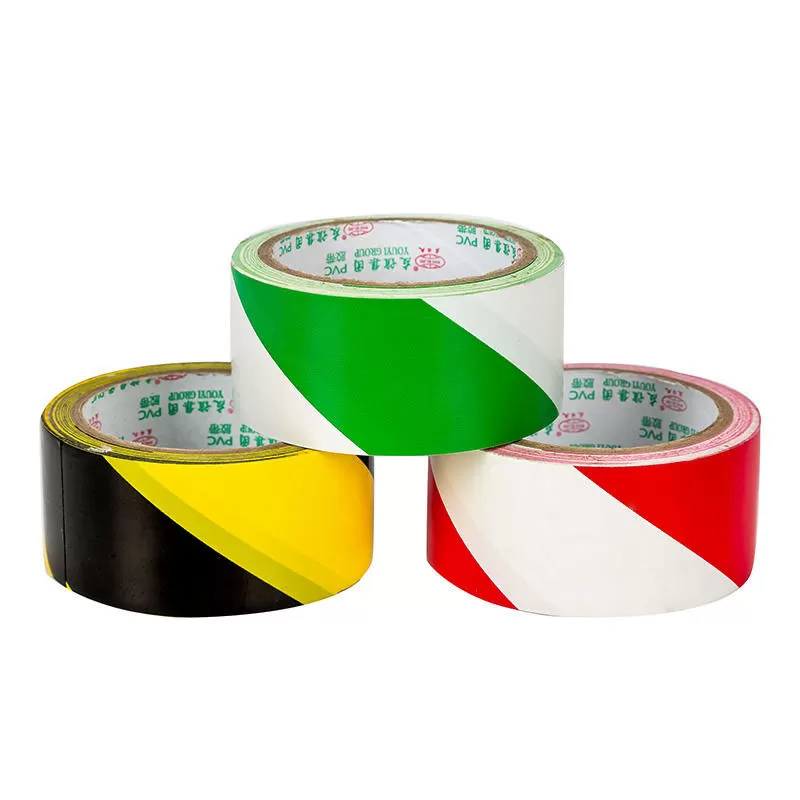
Container sealing demands a carrier material that balances flexibility with dimensional stability. While biaxially oriented polypropylene (BOPP) and polyethylene terephthalate (PET) dominate general carton sealing, soft PVC (polyvinyl chloride) possesses unique physical properties tailored specifically to cylindrical and irregular container rims.
Low Elastic Memory and High Conformability: PVC film exhibits high elongation (typically 150% to 220%) alongside minimal elastic snap-back. When wrapped around rolled tinplate lips or plastic container rims, it contours tightly over step-downs and seam overlaps without flagging (edge lifting).
Moisture and Vapor Barrier Performance: Unplasticized or low-plasticizer PVC films deliver exceptional resistance to Moisture Vapor Transmission (MVTR). This ensures that hygroscopic powders, crispy baked goods, and moisture-sensitive chemicals remain stable over extended shelf lives.
Chemical and Solvent Inertness: PVC naturally resists oils, aliphatic hydrocarbons, and dilute acids, making it suitable for cans containing food fats, industrial lubricants, or aromatic compounds.
Clean Peeling Characteristics: Formulated with balanced cross-linked adhesive layers, industrial-grade PVC tapes can be removed in a single continuous strip without tearing or leaving adhesive transfer on metal or plastic substrates.
Adhesive Systems: Solvent Rubber vs. Acrylic Formulations
The operational success of a pvc can sealing tape relies heavily on the pressure-sensitive adhesive (PSA) applied to the backing film. B2B buyers must specify adhesive formulations based on target container substrates and environmental storage conditions.
1. Solvent-Based Natural Rubber Adhesives
Solvent rubber offers high initial tack and aggressive green strength. It bonds immediately to low-energy surfaces and micro-grooved metal rims without requiring heavy application pressure. Key characteristics include:
Superior shear resistance on cold tinplate and tin-free steel (TFS).
Consistent performance in sub-zero or cold-storage environments (-10°C to 60°C).
Immediate hermetic sealing suitable for fast-moving packing lines.
2. Cross-Linked Solvent Acrylic Adhesives
Acrylic adhesive systems offer high UV resistance, thermal stability, and aging characteristics. They are recommended for products requiring extended warehouse storage under varying temperatures. Key characteristics include:
Zero plasticizer migration breakdown over long storage periods.
High resistance to oxidative degradation and yellowing.
Residue-free removal even after exposure to elevated temperatures (up to 80°C).
Core Industrial Applications for PVC Can Sealing Tape
Different industries leverage the seal integrity of pvc can sealing tape to solve specific packaging vulnerabilities.
Confectionery, Powdered Milk, and Specialty Tea Packaging
High-fat foods (such as butter biscuits) and hygroscopic goods (such as dry milk powder or premium loose-leaf tea) suffer rapid quality degradation when exposed to humidity or oxygen. Applying a soft PVC tape around the tin lid junction creates a moisture barrier that prevents crispness loss and oxidation, preserving flavor profiles across international export routes.
Chemicals, Paints, and Hazardous Liquids
Metal cans containing volatile solvents, automotive fluids, or specialty coatings are subject to pressure changes during air or ocean transport. A robust pvc adhesive tape for can sealing acts as a physical secondary containment system, preventing lid popping triggered by internal pressure spikes or drop impacts.
Tamper-Evident and Luxury Retail Packaging
For high-value consumer goods, supply chain security is paramount. Custom-printed or micro-perforated PVC sealing tape provides clear visible evidence of unauthorized opening. Any attempt to peel or slice the tape disrupts the printed matrix or tears the film cleanly along micro-perforations, preventing undetected tampering.
Comparative Analysis: PVC vs. BOPP vs. PET Sealing Tapes
Choosing the correct film substrate prevents costly packaging failures during transit. Below is a comparative performance matrix across standard industrial sealing films:
Conformability around Seams: PVC = Superior; BOPP = Poor (High Flagging Risk); PET = Moderate.
Elongation at Break: PVC = 150% - 220%; BOPP = 120% - 140%; PET = 60% - 100%.
Residue-Free Removal: PVC = Excellent (when properly cross-linked); BOPP = Fair (prone to splitting); PET = Excellent.
Tear Resistance (Hand Application): PVC = Easily hand-tearable or machine-cut; BOPP = Prone to longitudinal slivers; PET = Requires blades.
Airtight Edge Conformity: PVC = High; BOPP = Low; PET = Low.
Optimizing Application Efficiency: Manual vs. Automated Taping
Integrating pvc can sealing tape into existing production operations requires attention to tension control and line mechanics.
Manual and Semi-Automated Packaging
Manual application relies on consistent operator tension. Due to its soft elongation properties, operators can stretch the PVC tape slightly during application, creating a continuous compression force along the lid seam. For medium-scale operations, semi-automated benchtop dispensers apply uniform tension, reducing film consumption while increasing units-per-minute (UPM) output.
Fully Automated Inline Taping Systems
High-speed canning lines demand exact unwind force, controlled tensioning rollers, and consistent adhesive tack to prevent line jams. High-quality PVC tape must feature uniform unwinding force along the entire roll length. Variable unwind resistance can cause tape snapping, off-center application, or line stoppage.
Maximizing Supply Chain Value with Youyi Packaging Solutions
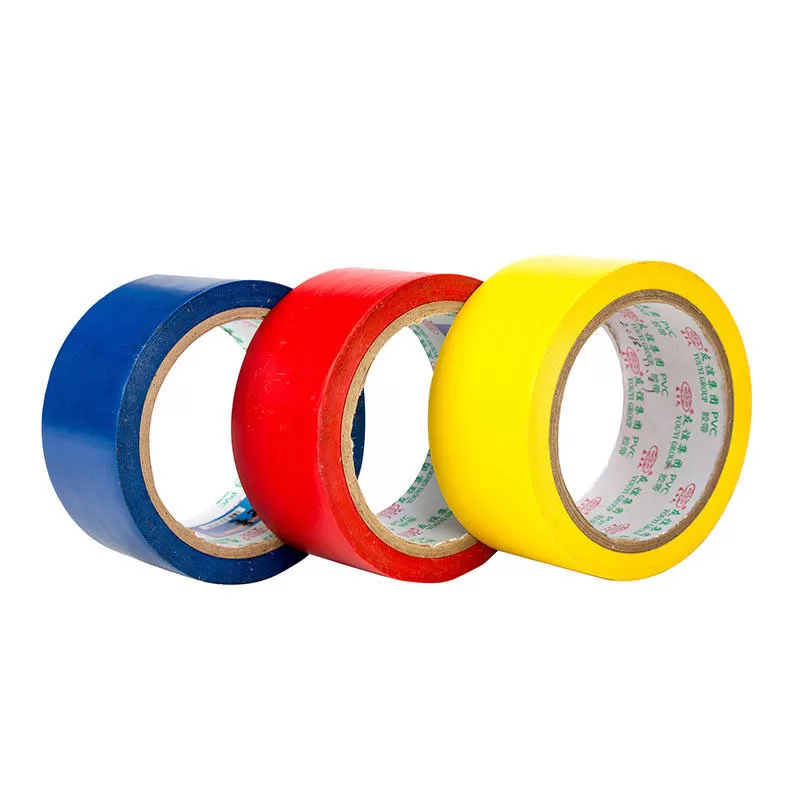
As a professional manufacturer with extensive technical expertise in pressure-sensitive tapes, Youyi manufactures specialized pvc can sealing tape designed to meet demanding industrial specifications. By controlling adhesive coating precision, substrate plasticization levels, and custom slitting tolerances, Youyi delivers packaging materials that protect product integrity across globally distributed supply chains.
Youyi’s engineering capabilities include:
Custom Widths and Lengths: Precision micro-slitting from 9mm up to bulk log rolls, tailored for automated application equipment.
Surface Printing: Up to multi-color precision reverse and surface printing for high-definition branding and anti-tampering markers.
Targeted Adhesive Formulations: Customized tack levels optimized for specific tinplate, lacquered metal, PET, or PP containers.
Quality Assurance Compliance: Strict material testing ensuring compliance with global regulatory standards for indirect food contact and transport safety.
Frequently Asked Questions
1. Why is PVC preferred over BOPP tape for sealing round metal tins?
BOPP possesses high tensile stiffness and elastic memory, causing it to flatten out and lift off curved surfaces (known as flagging). PVC tape offers high conformability and low elastic memory, allowing it to stay flush against round, square, or irregular container seams without peeling at the edges.
2. Will PVC can sealing tape leave sticky residue on metal surfaces upon removal?
High-grade PVC can sealing tape manufactured with solvent-based natural rubber or cross-linked acrylic adhesives removes cleanly without leaving residue. To avoid adhesive transfer, ensure the substrate is free of surface oils and select a tape formulated specifically for your container material.
3. Can PVC can sealing tape withstand refrigerated or high-humidity environments?
Yes. Formulated solvent-rubber PVC tapes maintain strong adhesion and film flexibility in temperatures ranging from cold storage (-10°C) up to standard warm processing environments. The PVC backing acts as an effective water vapor barrier that prevents moisture penetration.
4. Are custom-printed PVC can sealing tapes suitable for indirect food contact?
Yes, provided the inks and adhesive layers are formulated in compliance with applicable food safety standards. The tape is applied externally over the container rim junction, serving as a secondary boundary that does not come into direct contact with the internal food product.
5. What tape thickness is recommended for automated tin canning lines?
For automated lines, a total tape thickness between 110 microns and 150 microns (film plus adhesive) is standard. This provides sufficient tensile strength to prevent snapping under high-speed mechanical tension while remaining flexible enough for fast automatic trimming and sealing.
Upgrade Your Packaging Seal Integrity with Youyi
Protect product freshness, eliminate transit leakage, and reinforce your brand's quality standards with professional-grade sealing solutions. Contact the technical sales team at Youyi today to request custom tape samples, technical data sheets, or a competitive quotation for your high-volume packaging requirements.