




Moisture intrusion is the primary enemy of commercial and industrial HVAC systems. When water vapor breaches duct insulation, it condenses against cool metal surfaces, leading to mold growth, structural corrosion, and drastic thermal efficiency loss. Achieving a true zero-perm seal requires the right materials and exact field execution.
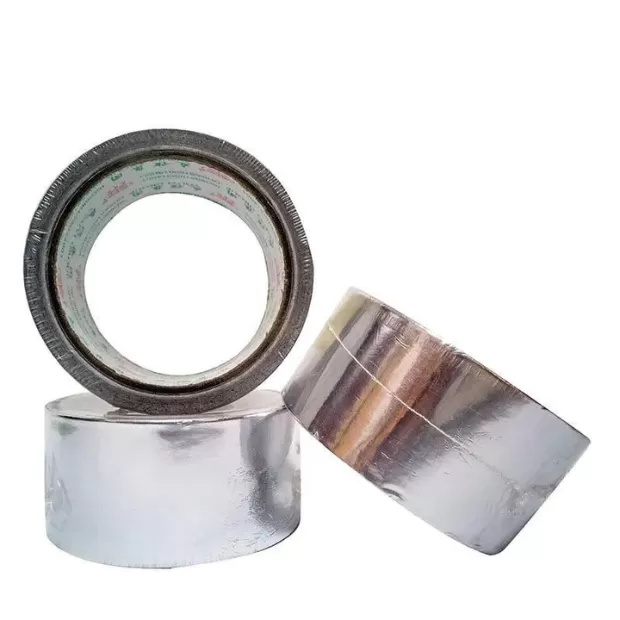
Engineers and contractors turn to aluminium foil fiberglass duct butyl tape when standard acrylic tapes fail under mechanical stress or temperature cycling. As a premier manufacturer of industrial adhesive solutions, Youyi produces high-tack, reinforced sealing tapes engineered to withstand harsh ductwork conditions. If you need dependable sealing materials for your next HVAC installation, send an inquiry to our technical sales team to review specifications or request bulk samples.
.webp?t=1793605963584 "aluminium foil fiberglass duct butyl tape")
The Anatomy of the Tape: Why This Composite Creates a Superior Moisture Barrier
Understanding the material construction helps technicians handle it correctly during installation. This specialized tape combines three distinct functional layers into a unified barrier system:
- Aluminium Foil Facing: Serves as the primary barrier. Pure metal foil offers virtually zero moisture vapor transmission (0.00 perm rating), protecting underlying duct wrap from humidity, chemical vapors, and UV degradation.
- Fiberglass Scrim Reinforcement: A woven glass yarn grid embedded beneath the foil. This structure delivers multidirectional tensile strength, resists punctures from sheet metal edges, and stops tears from spreading across duct seams.
- Butyl Rubber Adhesive Compound: A dense, non-curing elastomeric adhesive. Unlike acrylic glues that dry out, butyl rubber maintains cold-flow characteristics, flowing into microscopic surface imperfections to create an impermeable, airtight bond.
This layered design ensures the tape absorbs duct expansion, contraction, and system vibration without shearing or peeling away over time.
Pre-Application Preparation: The Foundation of a Lasting Seal
Even premium butyl adhesive cannot overcome a contaminated substrate. Moisture, sheet-metal rolling oils, and drywall dust create a weak boundary layer that triggers premature seal failure. Field prep must never be bypassed.
Follow these preparation requirements before unrolling your tape:
- Surface Cleaning: Wipe down the metal duct or fiberglass jacket using a fast-evaporating solvent such as isopropyl alcohol or acetone. Remove all grease, rust, and particulate matter. Let the surface dry completely.
- Thermal Inspection: Butyl rubber performs best when applied between 4°C and 40°C (40°F to 105°F). In cold conditions, keep rolls in a heated staging area before use to preserve initial tack.
- Tool Selection: Equip your crew with heavy-duty shears, a utility blade, and a stiff plastic squeegee or hard rubber roller. Hand-smoothing alone will not generate enough pressure to wet out the adhesive.
Step-by-Step Application Guide for Vapor Barrier Integrity
This standardized four-step procedure complies with SMACNA performance guidelines to ensure an airtight, moisture-resistant envelope around sheet metal and fiberglass ductwork.
- Measure and Pre-Cut Cleanly
Measure the circumference or seam length and cut the tape using sharp shears. Do not stretch or pull the tape off the roll against the duct surface. Pre-cutting prevents tension buildup in the fiberglass scrim, which otherwise causes the tape ends to curl and lift later. - Peel Release Liner and Align
Peel back roughly 100mm to 150mm (4 to 6 inches) of the silicone release liner. Center the tape directly over the duct joint so that equal adhesive area covers both sides of the seam. Tack the exposed edge firmly to the starting point without letting your fingers touch the adhesive. - Progressive Squeegee Compression
Gradually peel away the remaining liner while smoothing the tape forward onto the seam. Immediately follow with a plastic squeegee, applying firm, even strokes from the center toward the outer edges. This mechanical pressure forces the butyl adhesive to flow into the substrate valleys and eliminates trapped air pockets. - Execute Correct Overlap Dimensions
When joining separate lengths or wrapping circular ducts, overlap all tape ends by a minimum of 50mm (2 inches). Squeegee the overlapping joint aggressively to merge the butyl layers into a single, cohesive moisture block.
Contractors seeking consistent, bubble-free installations rely on Youyi aluminium foil fiberglass duct butyl tape for its balanced shear strength, heavy adhesive mass, and easy-release backing paper on job sites.
Addressing Critical Points: Bends, Flanges, and Fasteners
Rectangular ducts, transition fittings, and take-offs introduce surface variations that challenge seam integrity. Applying tape across flat runs is straightforward, but irregular geometries require adjusted techniques to prevent moisture leaks.
Standing Seams and Flanges: Apply tape along the base of the flange first. Use your squeegee or a nylon seam roller to push the tape tight into 90-degree internal corners before working it up the vertical face. Leaving bridge gaps ("tenting") creates channels for air and moisture leaks.
Mechanical Fasteners: Sheet metal screws and pop rivets disrupt the vapor barrier profile. Cut small square patches of tape (at least 50mm larger than the fastener head) and center them directly over the screw. Press the patch firmly around the fastener head, forcing the soft butyl to encapsulate the metal base before running your primary seam tape over the top.
Transitions and Radius Bends: Never twist tape around curved ductwork. Make straight, overlapping segmented cuts that follow the bend radius. Ensure every segment preserves the minimum 50mm overlap rule to maintain continuous vapor resistance.
Common Application Mistakes and How to Avoid Them
Field failures typically originate from improper installation rather than defective materials. Knowing these pitfalls helps installation teams safeguard their work:
- Over-Stretching During Application: Pulling the tape tight to span joints damages the fiberglass grid and tensions the backing. Over time, the foil contracts back to its resting state, peeling away from the joint. Lay the tape down relaxed.
- Skipping Firm Tool Pressure: Butyl adhesives are strictly pressure-sensitive. Rubbing the foil with gloves leaves microscopic voids under the tape. Always finish with a rigid squeegee to achieve complete surface wet-out.
- Applying Over Condensation: Taping cold-air ducts while the cooling system runs can trap sweat beneath the adhesive. Turn off the air-handling unit and dry the sheet metal before applying tape to cold systems.
- Insufficient Seam Overlaps: Overlaps under 50mm risk edge
separation when the duct vibrates during air handler startup and shutdown
cycles. Maintain generous overlap margins.
Quality Assurance: Verifying Vapor Barrier Integrity
Quality checks protect facilities from hidden moisture damage behind finished ceilings and chases. Once installation concludes, run these field verifications:
Visual and Tactile Inspection: Check every seam under adequate lighting. Look for edge lift, fishmouth creases, or blisters. The surface should lay flat against the insulation jacket or bare sheet metal, showing the faint textured pattern of the fiberglass scrim beneath the foil.
Bubble Remediation: If an air blister appears, pierce the edge with a clean pin, work the trapped air out toward the hole with your squeegee, and seal the pinhole with a small, firm patch of tape.
Pressure Testing Compatibility: For high-specification projects requiring SMACNA air-leakage testing, allow the butyl tape to dwell for 24 hours before pressurizing the ductwork. This dwell time lets the butyl complete its mechanical bond with the substrate.
Frequently Asked Questions
Q1: How does aluminium foil fiberglass duct butyl tape compare to
standard acrylic foil tape?
A1: Standard acrylic tape relies on a
thinner adhesive that can dry out and fail on rough or dusty surfaces over time.
Butyl tape features a thicker, non-curing rubber core that flows into uneven
substrates, fills gaps, and maintains a zero-perm moisture barrier under severe
thermal and mechanical movement.
Q2: Can this tape be applied directly to bare galvanized sheet metal
and fiberglass duct wrap?
A2: Yes. The elastomeric butyl adhesive
bonds effectively to bare sheet metal, aluminum, and FSK (Foil-Scrim-Kraft)
faced duct wraps, provided the target surface is dry and free from dust or
grease.
Q3: What is the optimal temperature range for installing butyl duct
tape?
A3: The ideal application temperature runs between 4°C and
40°C (40°F to 105°F). Once properly applied and seated with pressure, the tape
holds its bond across a much wider service range, typically -30°C to 80°C (-22°F
to 176°F).
Q4: Why is fiberglass scrim reinforcement necessary inside the foil
tape?
A4: Foil alone tears easily when applied over sharp sheet
metal corners, screws, or structural seams. The fiberglass mesh provides high
tensile strength, resists puncturing, and controls elongation during duct
vibration and thermal shifts.
Q5: How should technicians fix a wrinkled or misaligned tape
run?
A5: Because butyl bonds aggressively on contact, pulling back a
misaligned piece can tear the foil and distort the scrim. Cut away the
misaligned section cleanly, smooth down the remaining flat edge, and apply a
fresh, overlapping piece over the joint.
Protect Your HVAC Infrastructure with Engineered Sealing Solutions
Maintaining a dependable vapor barrier protects HVAC systems from condensation, rust, and thermal losses. Correct installation using aluminium foil fiberglass duct butyl tape delivers a permanent seal that outlasts ordinary pressure-sensitive tapes.
Youyi supplies construction contractors, HVAC specialists, and mechanical distributors worldwide with commercial-grade adhesive tapes built to rigorous industry standards. Contact our technical department today to request product data sheets, order samples, or receive factory-direct wholesale pricing tailored to your project requirements.