




In demanding industrial environments—from aerospace secondary structures to wind turbine blade assembly—engineers constantly seek adhesives that merge temporary fixturing with permanent cure. Traditional tapes often force a trade-off: high tack but weak thermal stability, or excellent final strength yet difficult to remove after positioning. The emergence of super cut curing tape addresses this exact gap. It is not merely a double-sided tape; it is a dual-function material that delivers controlled initial adhesion, clean cutting behavior, and a chemically activated cure profile under heat and pressure. For B2B operations aiming to reduce cycle times and eliminate manual debulking steps, understanding this technology is no longer optional.
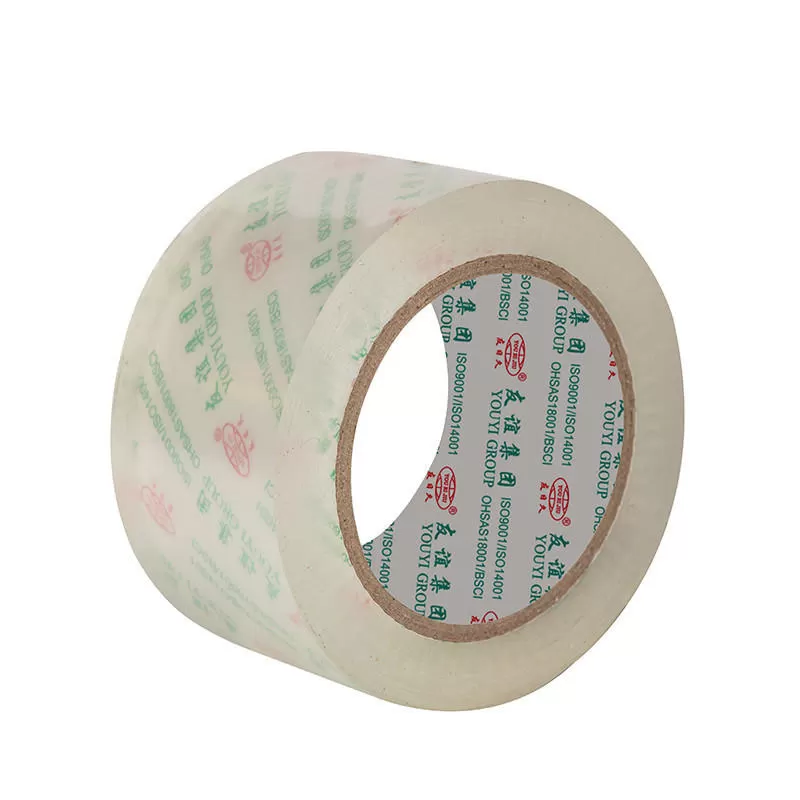
What Distinguishes Super Cut Curing Tape from Standard Industrial Tapes?
Standard pressure-sensitive tapes (acrylic, silicone, or rubber-based) provide immediate bonding but break down when exposed to elevated curing cycles—often leaving charred residues on composite or metal substrates. Conversely, structural film adhesives require freezer storage and complex application equipment. Super cut curing tape sits at the intersection: it incorporates a thermosetting resin system (typically modified epoxy or bismaleimide) that remains tacky at room temperature for easy placement, yet crosslinks permanently once the assembly enters a heated press, oven, or autoclave. The "super cut" attribute refers to the tape's engineered modulus and fracture toughness, allowing clean shearing during ply trimming or honeycomb splicing without tearing or leaving adhesive strings. Key characteristics include:
Controlled green strength (3–8 N/cm peel adhesion) to hold complex contours without sliding.
Glass transition temperature (Tg) above 150°C after full cure, suitable for secondary co-bonding processes.
Zero transfer residue on release liners or tooling surfaces, reducing post-cure cleaning.
Compatibility with automated tape laying (ATL) systems – the liner and slit width can be customized for robotic end effectors.
Industry Pain Points That Super Cut Curing Tape Directly Solves
Across composite fabrication and metal bonding lines, four recurring challenges drive the shift toward specialized curing tapes. Each of these directly impacts first-pass yield and rework costs.
1. Inefficient Ply Splicing and Preform Stabilization
When stacking multiple prepreg plies, temporary tackifiers (spray adhesives) often cause inhomogeneous resin distribution, leading to dry spots or porosity after cure. Manual stitching or spot taping is labor-intensive. A continuous roll of super cut curing tape applied along ply edges holds the layup firmly, and its resin chemistry co-cures with the prepreg matrix, eliminating separate debulking cycles.
2. Honeycomb Core Splicing Without Blocked Cells
Honeycomb sandwich panels require splicing core sections using film adhesives. Standard paste adhesives tend to flow into cells, adding weight and reducing mechanical performance. Super cut curing tape, when slit to narrow widths (5–15 mm), bonds core-to-core precisely at node points. The tape’s minimal flow characteristics keep cells open while achieving shear strengths above 2.5 MPa after cure.
3. Thermal Stability During Out-of-Autoclave (OOA) Cure
Many OOA prepregs cure at 120–130°C for 90–120 minutes. Conventional masking tapes degrade above 100°C, outgassing and contaminating the vacuum bag. Formulated with high-temperature epoxy novolac, super cut curing tape withstands ramp rates up to 5°C/min and holds its bondline thickness (150–250 µm) even under full vacuum pressure. This prevents part movement during the critical gelation phase.
4. Residue-Free Trimming and Secondary Bonding
After demolding, parts often need secondary bonding—e.g., attaching stiffeners or brackets. Mechanical abrasion or solvent wiping to remove temporary tape residues adds cost. Because the super cut curing tape’s cured network is fully crosslinked, any excess extending beyond the bondline can be sanded or machined without smearing. For applications requiring absolute cleanliness (like optical benches or fuel tank components), this feature is decisive.
Technical Deep Dive: Chemistry, Cure Kinetics, and Mechanical Performance
Engineers evaluating super cut curing tape must examine three quantifiable parameters: degree of B-staging, cure onset temperature, and storage stability. Unlike liquid adhesives, the tape is supplied as a solid film on a silicone-coated release liner. The resin is partially advanced (B-staged) to a non-tacky state at ambient conditions, but the manufacturer activates tackiness via a micro-encapsulated hardener or by applying slight heat (35–45°C) during application. This "latent cure" mechanism provides several months of out-life at 23°C, unlike refrigerated film adhesives.
During the thermal cure cycle, the following phase transitions occur:
80–100°C: Resin viscosity drops, allowing wetting of the substrate (carbon fiber, aluminum, or Nomex). Initial crosslinking starts but bondline remains deformable.
120–150°C: Full crosslinking network forms; lap shear strength rises to >18 MPa on grit-blasted aluminum.
Cool-down: The cured tape acts as a structural adhesive, not just a positioning aid. Co-cured samples show cohesive failure during peel tests, confirming strong interface formation.
For manufacturers adopting automated processes, the tape's "super cut" characteristic is quantified by the energy required to slit it cleanly at 25°C. Standard acrylic tapes exhibit elongation >400%, causing ragged edges; super cut curing tape is formulated with a break elongation below 120% and a high tensile modulus (≥800 MPa). This allows high-speed rotary cutting (30 m/min) with minimal burr formation, essential for intricate composite stringer profiles.
Primary Application Scenarios Across Industries
While the technology originated in aerospace prototype shops, super cut curing tape now proliferates into automotive composites, sports equipment, and electronics thermal management. Below are concrete deployment examples.
Aerospace: Engine Cowl Honeycomb Splices
Leading aircraft tier-1 suppliers use super cut curing tape to join honeycomb core segments before bonding to face sheets. The tape replaces time-consuming potting compounds. Operators place the tape on core ramps, activate slight finger pressure, and then cure within the standard co-bond cycle. Shear strength tests per ASTM D3165 show failure loads within 5% of traditional film adhesives, yet handling time drops by 40%.
Wind Energy: Spar Cap Preform Assembly
Giant spar caps for blades involve dozens of unidirectional carbon prepreg layers. Without stable preforms, layers shift during vacuum bagging. Applying super cut curing tape along the edges and at crossing points locks the stack geometry, allowing the entire preform to be lifted and placed into the mold. After infusion and cure, the tape's epoxy matrix integrates seamlessly, adding no foreign material.
Automotive Lightweighting: Battery Enclosure Sealing
EV battery trays made from sheet molding compound (SMC) require lid attachment with both adhesive and mechanical fasteners. Using super cut curing tape as a temporary assembly aid holds the lid in position while the robot applies structural foam. The tape cures during the foam’s heat cycle, providing secondary sealing against humidity ingress. Automakers report reduction of rework due to misalignment from 8% to below 1.5%.
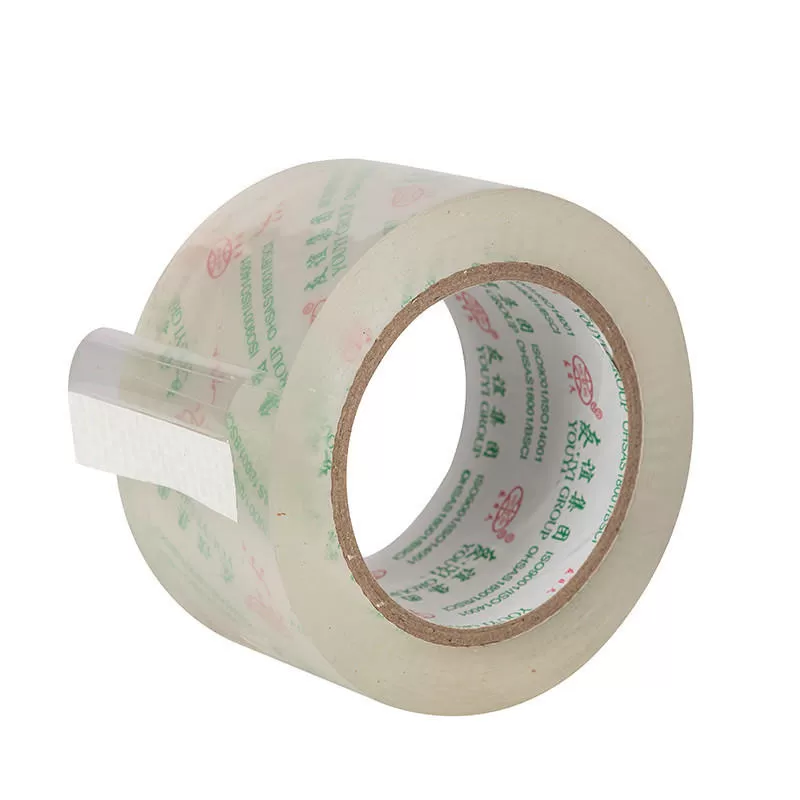
Customization Parameters: How Youyi Aligns Tape Properties to Your Process
Off-the-shelf curing tapes rarely match the exact thickness, width, or tack level required for automated lines. That is where specialized manufacturers like Youyi provide engineering consultation. With over a decade of coating experience and in-house formulation labs, Youyi tailors super cut curing tape based on three modular axes:
Carrier & adhesive thickness: From 50 µm to 400 µm. Thicker carriers (glass scrim or polyimide film) improve handling for large gaps; thinner options suit micro-splicing.
Tack level (rolling ball tack test): Low-tack versions (2–4 cm) for repositionable fixtures; high-tack (1–2 cm) for vertical assemblies.
Cure temperature window: Standard (120°C/30 min), low-temp (80°C/60 min for temperature-sensitive substrates), and fast-cure (150°C/10 min) for high-throughput lines.
Additionally, Youyi offers slit widths from 3 mm to 500 mm, with custom liner printing for batch traceability—critical for NADCAP-certified shops. Every production lot is tested for gel time, Shore D hardness after cure, and peel adhesion on customer-supplied substrates. This prevents the common risk of tape-substrate incompatibility (e.g., amine blush on epoxies or corrosion with magnesium).
Comparative Process Efficiency: Traditional vs. Super Cut Curing Tape Workflow
Consider a typical composite stringer run: 100 parts per week, each requiring 8 ply splices and 4 honeycomb core joints. Using traditional spray tack and paste adhesive, the process steps involve:
Masking of areas → 2 min.
Spray adhesive application and 10 min flash-off → waiting.
Positioning plies (risk of movement) → 5 min.
Core paste mixing and application (30 min pot life) → 8 min per joint.
Debulking in vacuum bag (20 min).
Total touch time per part: approx. 45 minutes. With super cut curing tape from a supplier like Youyi, the same tasks reduce to: apply tape to ply edges (3 min), peel liner, place core tape strips (2 min), proceed directly to bagging without debulking. Touch time: 5 minutes per part. On an annual scale, that translates to 3,400 labor hours saved—and zero solvent emissions from spray cans.
Quality Certifications and Compliance for Regulated Industries
Any B2B buyer in aerospace, defense, or medical devices requires documented evidence. While many tape suppliers offer only generic technical data sheets, reputable super cut curing tape manufacturers provide:
ISO 9001:2015 and AS9100D (aerospace) certified production.
Outgassing per ASTM E595 (total mass loss <1.0%, collected volatile condensable material <0.1%).
Flame retardancy (UL 94 V-0 or FAR 25.853).
Batch-specific certificates of conformance (CoC) with traceability to raw material lot numbers.
For customers working with carbon fiber or sensitive electronic housings, ionic cleanliness testing (ROSE) and Fourier-transform infrared spectroscopy (FTIR) spectra are provided. Always request these from your tape partner to avoid hidden failure modes.
Storage, Shelf Life, and Handling Best Practices
To maintain the latent reactivity of super cut curing tape, follow these guidelines:
Store original sealed rolls at 5–25°C, <60% relative humidity. Do not freeze.
Shelf life is typically 12 months from manufacture date. After opening, use within 3 months.
Apply with rubber hand roller (3–5 kg force) to ensure intimate contact without air entrapment.
Do not stretch the tape during application; this can thin out the adhesive and reduce cured bondline strength.
When using automated dispensing, Youyi offers the tape on plastic cores (76 mm or 152 mm ID) with splice-free lengths up to 500 meters. For cleanroom environments (ISO Class 7), low-particle liner versions are available.
Frequently Asked Questions (FAQ)
Q1: Can super cut curing tape be used as the sole structural
adhesive, or only as a temporary fixture?
A1: It is designed as a
dual-purpose material. For low-load applications (e.g., honeycomb core splices,
edge filling, and thin plastic bonding), the fully cured tape provides
sufficient structural strength. For primary load-bearing joints (e.g.,
metal-to-metal shear panels), we recommend using it in combination with paste
adhesive or as a positioning aid before applying a main structural bond.
Q2: Does super cut curing tape require a different cure cycle than
the composite prepreg I normally use?
A2: Ideally the tape's cure
window should overlap with the composite's cycle. Most super cut curing tape
formulations are engineered to cure within 120–150°C, which matches typical
epoxy prepregs. If your process uses low-temp curing (e.g., 80°C for tooling
prepreg), Youyi offers a low-temperature variant that fully crosslinks at
80°C/90 minutes.
Q3: How do I remove cured super cut cutting tape if the assembly is
rejected before cure?
A3: Prior to thermal exposure, uncured tape
can be peeled off manually or with a plastic scraper; residual adhesive is
easily removed with isopropyl alcohol or a hydrocarbon cleaner like naphtha.
After full cure, mechanical abrasion (sandpaper or abrasive pad) is the only
effective method. Therefore always validate placement before entering the
oven/autoclave.
Q4: What surface preparations are necessary for optimal bonding with
super cut curing tape?
A4: For metals: degrease with MEK or acetone,
then abrade with 180-grit paper and clean again. For composites: light sanding
(if release agent is suspected) followed by solvent wipe. For honeycomb: no
preparation needed, but ensure nodes are dry and dust-free. The tape's B-staged
resin has good tolerance to minor contamination, but best results require clean
surfaces.
Q5: Can super cut curing tape be used in vacuum bag-only cures
without autoclave pressure?
A5: Yes. It works effectively under
vacuum bag pressure (≈1 bar). However, ensure that no wrinkles or air pockets
exist because the tape will not flow like a paste. For porous substrates like
foam or honeycomb, applying a slight dead weight (2–5 kg/m²) improves wet-out.
The final mechanical properties will be within 90% of autoclave-cured
values—sufficient for most secondary structures.
Q6: Does Youyi provide samples for process validation before bulk
orders?
A6: Absolutely. Youyi supports B2B customers with
engineering sample kits including various widths, carrier types, and cure
profiles. Each sample shipment includes a data sheet with recommended
parameters. Contact the technical sales team to request samples tailored to your
substrate and expected processing conditions.
Conclusion & Next Steps: Optimize Your Assembly with Super Cut Curing Tape
The shift from generic holding tapes to engineered, thermally-curing solutions is accelerating as manufacturers push for reduced rework, cleaner work cells, and higher automation. Super cut curing tape uniquely meets these demands by combining instant tack with permanent cure, along with clean cutting properties that enable accurate splice lines. Whether you are assembling wind blade spar caps, automotive battery enclosures, or aircraft interior panels, this tape category eliminates several non-value-added steps from your production floor.
To evaluate how super cut curing tape can integrate into your specific process—from ply layup to final co-cure—partner with experienced formulators. Youyi offers full transparency: rheology reports, substrate-specific peel tests, and customized slitting to match your automated cutters. Move beyond trial-and-error with standard tapes and request a process audit or sample kit.
Ready to improve your bonding efficiency? Contact the Youyi engineering team directly to discuss your application parameters, required cured shear strength, and production volume. Get a tailored quotation and technical documentation within 48 hours.
Send an inquiry → or fill out the request form on our B2B portal. Let’s engineer a smarter cure together.