




In large-scale industrial painting, commercial renovation, and automotive refinishing, surface protection is a fundamental step that directly influences the quality of the final finish. Traditional masking methods, which involve manually aligning paper sheets with adhesive tapes, often lead to inconsistent application and significant labor expenditure. To address these operational challenges, utilizing pretaped covering masking film has become a standard practice for surface protection professionals seeking to optimize their workflow and secure consistent masking boundaries.
Industrial manufacturers like Youyi provide structured surface protection materials designed to withstand the physical demands of various coating environments. This article examines the structural design, operational advantages, material specifications, and industrial applications of these integrated masking solutions.
1. The Structural Engineering of Integrated Masking Solutions
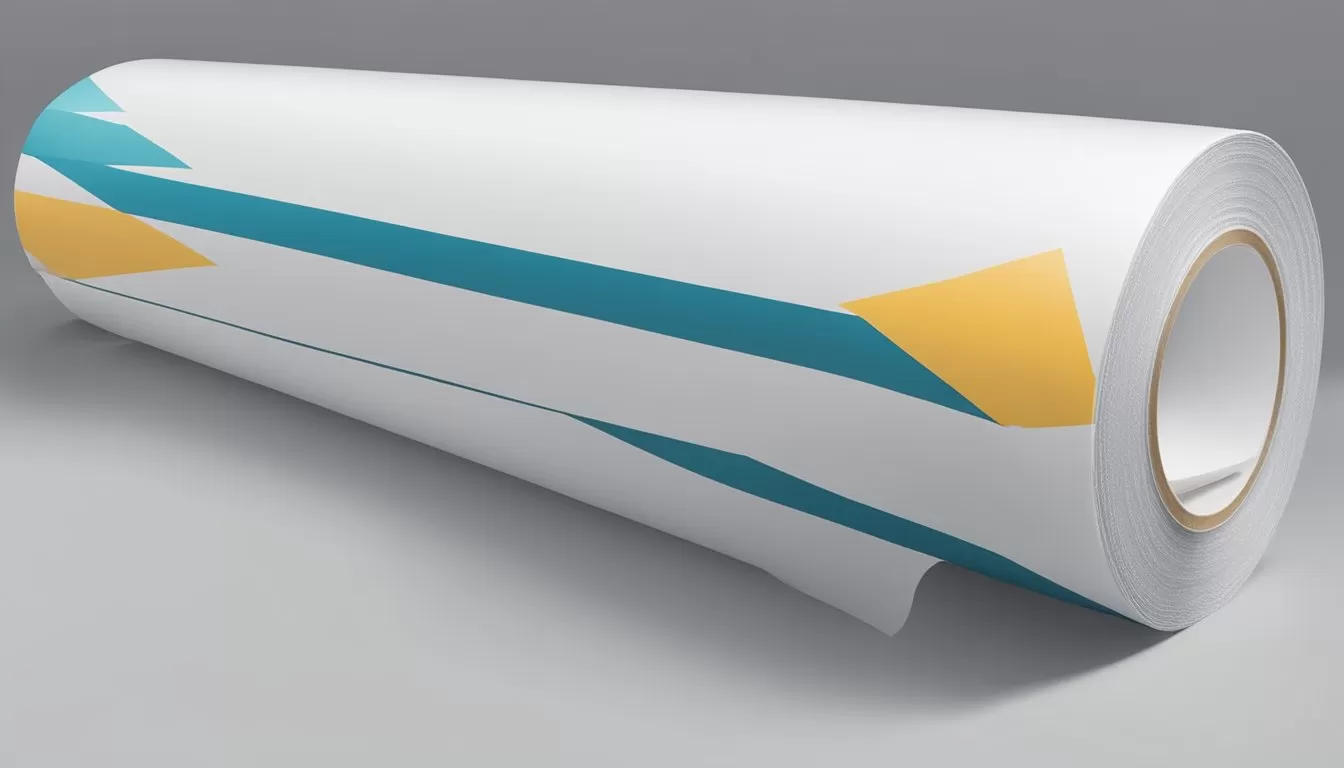
An integrated masking product combines two distinct components into a single, cohesive roll: a pressure-sensitive adhesive tape and a folded protective plastic film. Understanding the physical properties of these components explains why they perform reliably under challenging job site conditions.
High-Density Polyethylene (HDPE) Film Properties
The protective sheet component is typically manufactured from high-density polyethylene (HDPE). Unlike standard low-density utility plastics, HDPE provides specific performance characteristics:
Static Cling: During the extrusion process, the film is electrostatically charged. This charge allows the film to cling closely to the protected substrate upon deployment, preventing flapping caused by spray gun airflow or wind.
Paint Flake Adherence: The surface of the film undergoes a corona treatment. This modification alters the surface energy of the plastic, ensuring that wet paint droplets, lacquers, and primers adhere to the film rather than pooling, running, or flaking off when dry.
Tensile Strength and Thinness: With thicknesses typically ranging from 9 to 12 microns, the film remains lightweight and easy to cut, yet possesses sufficient tensile strength to resist tearing when pulled around corners or complex profiles.
Adhesive Tape Integration
The choice of adhesive tape attached to the film edge depends on the specific application environment. Common configurations include:
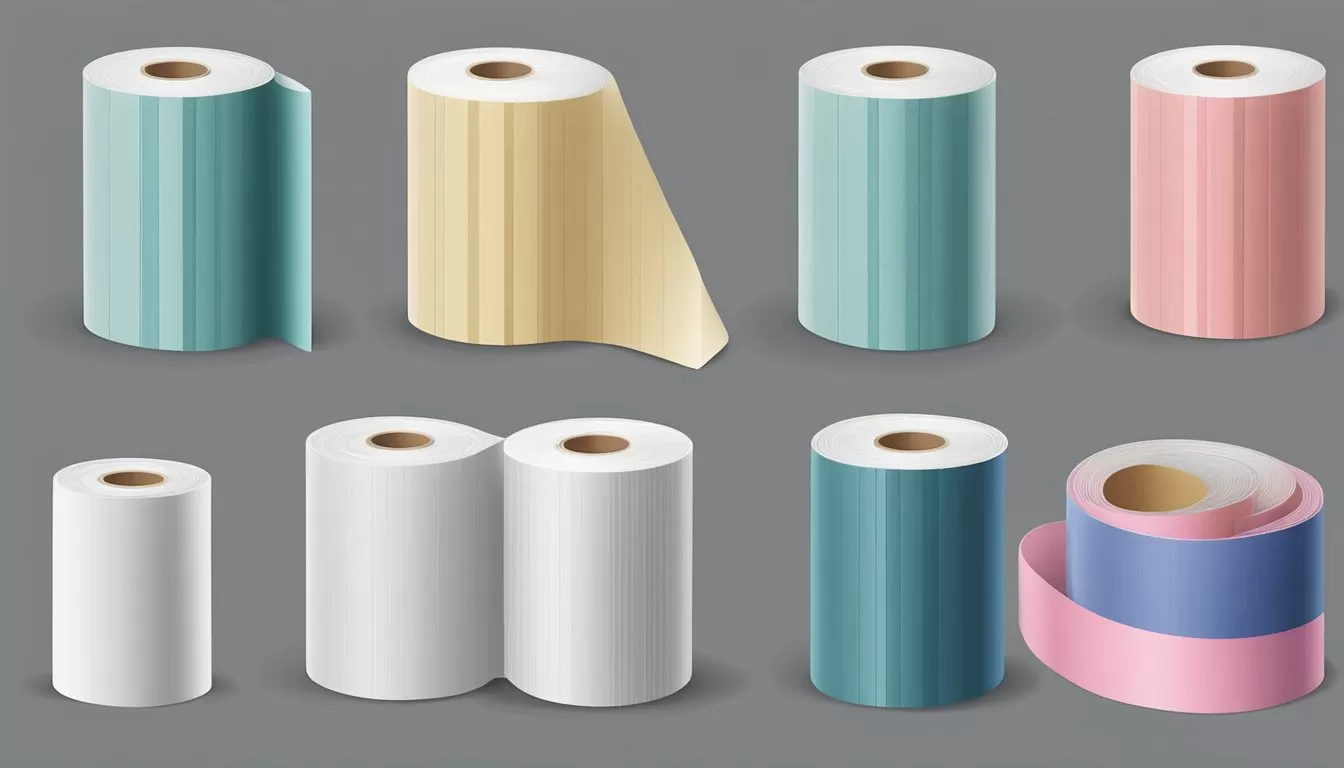
Crepe Paper Masking Tape: Suitable for general indoor construction and decorative painting, offering clean removal and moderate conformability.
Washi (Japanese Paper) Tape: Utilized for ultra-sharp paint lines on delicate surfaces, with excellent UV resistance during outdoor applications.
Cloth/Duct Tape: Designed for heavy-duty construction applications, concrete surfaces, or stucco masking where high initial tack is required.
2. Addressing Common Industrial Surface Protection Pain Points
Manual masking operations are frequently plagued by inefficiencies and quality control issues. Implementing a pre-assembled system directly mitigates several of these systemic pain points.
Reducing Labor Costs and Setup Times
The traditional two-step process of applying tape and subsequently tucking or taping plastic sheeting underneath requires high coordination and often demands two workers for large surfaces. A pre-assembled masking roll combines these steps into a single motion. One operator can apply the tape edge directly to the boundary line, cut the roll to the desired length, and immediately unfold the wide protective film to cover the adjacent area.
Preventing Adhesive Residue and Bleed-Through
Paint bleed-through occurs when low-quality adhesives lift under the solvent load of the coatings, or when the film itself degrades. Professional-grade masking products balance peel adhesion with clean removal. They ensure that the adhesive boundary remains sealed against high-pressure spray application while leaving zero residue on the substrate upon removal, even after exposure to elevated temperatures or UV radiation.
3. Primary Application Sectors
The versatility of these integrated protection systems makes them valuable across multiple demanding industries.
Automotive Refinishing and Manufacturing
In automotive paint booths, overspray management is a primary concern. The choice of pretaped covering masking film determines the speed of vehicle preparation. During the baking and curing cycles, the masking materials must withstand elevated temperatures without adhesive transfer or film melting. Specialized heat-resistant options developed by Youyi meet these high temperature standards, maintaining physical integrity inside curing ovens.
Commercial and Residential Construction
For interior and exterior architectural coatings, large surface areas such as windows, doors, cabinetry, and flooring must be protected from roller splatter and airless spray overspray. The static cling property of the film is particularly useful here, as it allows the plastic to adhere to vertical glass or plaster surfaces without requiring secondary securing tapes.
Marine and Aerospace Protective Coatings
Marine vessels and aircraft feature expansive surfaces that require multi-stage coating processes, including epoxy primers, polyurethanes, and anti-fouling paints. The scale of these projects demands reliable adhesion over several days of exposure to varying humidity and salt air, making durable integrated masking films a cost-effective choice for shipyard and hangar operations.
4. Material Specifications and Quality Selection Criteria
Procurement departments and project managers must evaluate several technical parameters when selecting a pretaped covering masking film for large-scale industrial projects.
| Specification Parameter | Standard Range | Primary Performance Impact |
|---|---|---|
| Film Material | HDPE (Corona Treated) | Ensures paint adhesion and prevents flaking during dry-down. |
| Film Thickness | 8 to 15 microns | Balances weight, tear resistance, and ease of cutting. |
| Tape Backing Type | Crepe paper, Washi, or Cloth | Determines line sharpness, flexibility, and surface compatibility. |
| Temperature Resistance | 60°C to 120°C (depending on adhesive) | Defines suitability for heated dry cycles in paint booths. |
| Adhesion to Steel | 4 to 8 N/25mm | Ensures the tape stays fixed without lifting under air spray pressure. |
Selecting the correct configuration prevents premature peeling or surface damage, optimizing material costs relative to labor expenses.
5. Installation and Removal Best Practices
While the product is engineered for ease of use, improper application of pretaped covering masking film can lead to failed seals or surface damage. Following structured application procedures ensures optimal performance.
Surface Preparation
The target substrate must be clean, dry, and free from dust, oil, grease, or loose particles. Even high-tack adhesives will fail if applied to a dusty surface. Solvents or mild detergents should be used to clean the border area before the tape is pressed down.
Application Technique
Apply the tape edge without stretching the backing material. Stretching introduces mechanical stress, which can cause the tape to lift or snap back, especially around corners. Once the tape is positioned, apply firm pressure along the entire length using a rubber roller or clean cloth to activate the pressure-sensitive adhesive. After the tape is securely anchored, unfold the film carefully and smooth it over the surface to let the electrostatic charge secure it to the substrate.
Safe Removal Procedures
To achieve clean, sharp paint lines, the masking film should ideally be removed before the top coat is completely cured, or after it has dried sufficiently to prevent stringing. Pull the tape back slowly at a 45-degree angle to the painted edge, maintaining a steady, even tension. Avoid rapid tearing, which can split the tape backing or pull cured paint from the clean surface.
Frequently Asked Questions
Q1: What are the primary differences between pretaped covering masking film and traditional masking paper?
A1: Pretaped masking film utilizes electrostatically charged HDPE plastic, which is much lighter, more compact to store, and clings to vertical surfaces naturally. Unlike traditional masking paper, which can absorb wet coatings and allow bleed-through under heavy spray, the corona-treated HDPE film acts as an absolute liquid barrier while binding paint overspray to prevent dry flaking.
Q2: Can this masking film be used outdoors for extended periods?
A2: Outdoor performance depends heavily on the integrated tape backing and adhesive chemistry. Standard masking tapes are susceptible to UV degradation, which can bake the adhesive onto the surface. For outdoor applications, it is recommended to choose a version equipped with a UV-resistant Washi or blue painter's tape, designed to resist sunlight degradation for 14 days or longer.
Q3: How does the static cling mechanism work, and does it fade over time?
A3: The static charge is introduced during the manufacturing process of the HDPE film. It remains stable within the rolled product. Once unfolded, the charge naturally attracts the film to nearby grounded surfaces. While extreme humidity can slightly reduce the static attraction, the film maintains adequate cling for typical project durations when stored in dry conditions prior to use.
Q4: Is the film resistant to strong solvents like MEK, lacquer thinners, or urethanes?
A4: Yes, the high-density polyethylene film used in high-quality systems offers excellent chemical resistance against most industrial solvents, thinners, and chemical coatings. The film will not dissolve or allow solvent migration through to the underlying surface under standard application parameters.
Q5: Are custom widths and lengths available for large-scale industrial manufacturing?
A5: Yes, manufacturers like Youyi offers customizable options for commercial clients, including variations in film width, roll length, film thickness, and tape selection to match specific industrial masking specifications and automated application equipment.
Conclusion and Inquiry
Optimizing surface preparation workflows is a direct path to reducing operating overhead and achieving consistent coating quality in industrial environments. Finding high-quality, reliable pretaped covering masking film remains a priority for sourcing managers who cannot afford project delays or surface damage due to subpar masking performance. With a proven track record of manufacturing robust adhesive products, Youyi provides tailored bulk solutions for international distribution.
For detailed product specifications, wholesale pricing structures, or customized material configurations, please contact our technical sales team to submit your inquiry today.