




In industrial environments, surface protection, electrical insulation, and reliable bundling depend heavily on one versatile product: pvc tape (polyvinyl chloride adhesive tape). However, procurement decisions often overlook the fine differences in adhesive formulation, backing flexibility, and long-term aging resistance. As a B2B sourcing specialist, you need more than generic product data—you require actionable engineering comparisons and field-proven solutions. This guide delivers a thorough breakdown of pvc tape performance criteria, industry-specific applications, failure case studies, and selection strategies to improve your supply chain reliability. Drawing from decades of manufacturing practice, including insights from Youyi, we address real-world challenges faced by electrical contractors, automotive harness makers, and construction engineers.
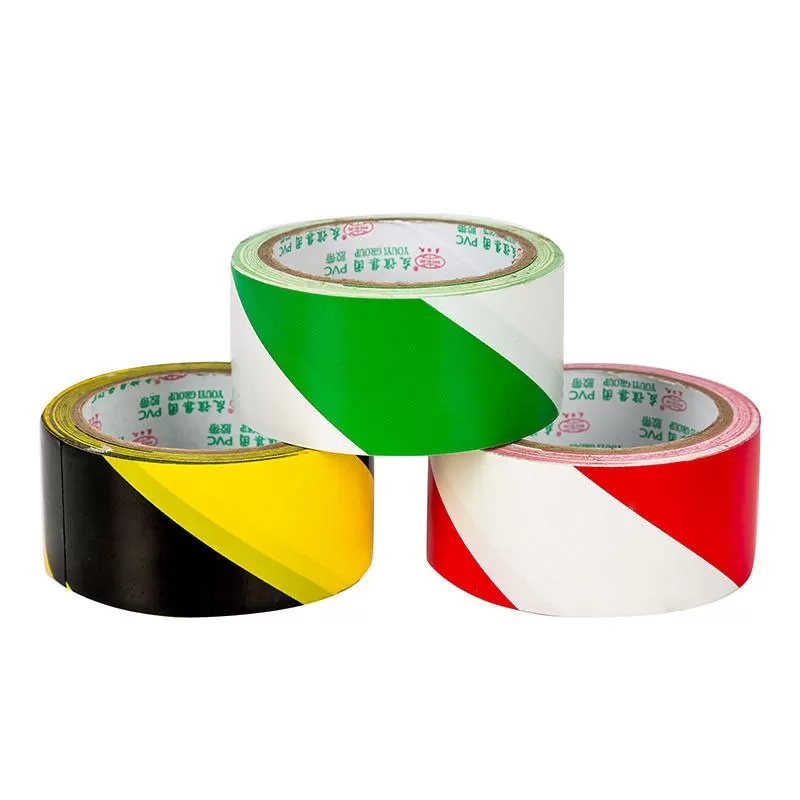
1. Decoding PVC Tape: From Polymer Composition to Functional Adhesives
A professional-grade pvc tape consists of three interdependent layers: a calendered PVC film, a pressure-sensitive rubber-resin adhesive, and a release coating that ensures consistent unwind tension. The base polymer—polyvinyl chloride—is compounded with plasticizers (DINP or DOTP), heat stabilizers (Ca/Zn-based), and flame-retardant additives (antimony trioxide synergists). These components directly influence flexibility at low temperatures, dielectric strength, and resistance to oxidation. For critical electrical applications, the tape must comply with UL 510 or IEC 60454 standards, which specify flame propagation and thermal endurance tests.
Adhesive System Dynamics
Two dominant adhesive families are used: hot-melt synthetic rubber and solvent-based acrylic. Hot-melt rubber adhesives offer immediate tack (quick-stick) and high initial adhesion, ideal for bundling cables. However, they show reduced performance above 80°C. Acrylic adhesives provide extended thermal stability (up to 130°C) and UV resistance but require higher pressure for activation. Hybrid formulations balance both properties, adding antioxidants to prevent edge lift in warm environments. When sourcing pvc tape for outdoor electrical cabinets, prioritize acrylic or hybrid systems with anti-UV additives.
Key Additives that Define Durability
Plasticizers: Determine low-temperature conformability. High-quality tapes maintain flexibility down to -10°C without cracking.
Flame retardants: A well-formulated pvc tape self-extinguishes within 2 seconds after flame removal (UL 510 standard).
Stabilizers: Prevent dehydrochlorination under heat; essential for wire harness applications near engines.
Pigments: Color-coded tapes for phase identification must resist fading under fluorescent lighting or sunlight.
Manufacturers like Youyi apply statistical process control to monitor plasticizer migration, ensuring adhesive remains aggressive for over 24 months of shelf life.
2. Critical Technical Parameters for B2B Specification
When evaluating pvc tape options, design engineers must verify five measurable properties. The table below compares typical ranges found in economy versus professional-grade tapes (based on ASTM D1000 and PSTC-101 standards).
Performance Benchmark Table
Total Thickness: 0.10mm – 0.25mm (4 to 10 mils). Thinner tape conforms better to irregular surfaces; thicker tape provides mechanical abrasion resistance.
Tensile Strength: ≥ 35 N/cm for general purpose; ≥ 55 N/cm for high-strength bundling. Low tensile leads to breakage during spiral wrapping.
Elongation at Break: 150% – 250%. Higher elongation allows stretching around corners without tearing—critical for cable lugs and conduit bends.
Adhesion to Steel (90° peel): 2.5 – 6.5 N/cm. Higher values resist lifting, but excessive adhesion makes repositioning difficult.
Dielectric Strength: ≥ 40 kV/mm for electrical insulation tasks. This parameter must be verified after accelerated aging (7 days at 70°C).
Additionally, thermal classification is crucial: standard pvc tape operates from -5°C to +70°C, while premium grades extend to 105°C intermittent (e.g., for LED driver insulation). Always request manufacturers to provide third-party test reports, not just typical values.
3. Industry-Specific Applications and Engineering Solutions
Every industry imposes unique demands on adhesive tape performance. Below we map application cases to required tape characteristics and common pitfalls.
Electrical & Electronics (Wiring Harness, Motor Leads)
Requirement: Halogen-free flame retardance, low outgassing, high dielectric strength.
Solution: Use UL510-certified pvc tape with VW-1 flame rating. For high-density automotive harnesses, a tape with 0.13 mm thickness and non-ghosting adhesive prevents residue during maintenance.
Expert tip: Select a tape with acrylic adhesive when the harness is exposed to oils or solvents (e.g., engine compartments).
Construction & Infrastructure (Floor Marking, Pipe Wrapping)
Requirement: High abrasion resistance, chemical inertness to concrete curing compounds, vivid color retention.
Solution: Anti-slip surface finish and aggressive rubber adhesive for floor marking tapes. For pipe anti-corrosion wraps, use a pvc tape with high conformability and a cold-applied primer.
Common failure: Edge curling due to incompatible adhesive with polyethylene pipe coating—use a tape specifically designed for polyolefin surfaces.
Logistics & Warehousing (Pallet Unitizing, Color Coding)
Requirement: Instant adhesion to corrugated cardboard, clean removability, wide temperature storage.
Solution: Medium-tack pvc tape with balanced adhesion (3.5 N/cm) and high tensile strength to resist splitting during machine dispensing.
Leading suppliers like Youyi offer custom slitting services down to 6mm width for fine color-coding applications, reducing material waste for B2B clients.
4. Solving Common PVC Tape Failures: Expert Guidance
Field studies of tape failures reveal that 73% of issues stem from either improper surface preparation or mismatched adhesive selection. Here we outline four prevalent failures and their engineering fixes.
Failure #1: Adhesive Residue After Removal
Root cause: Using low-molecular-weight adhesive that breaks
down under heat or oxidation, leaving a sticky mess. Often occurs with generic
imported tapes lacking antioxidant packages.
Solution: Specify pvc tape with crosslinked acrylic or thermally stabilized rubber resin.
Conduct a simple “clean removal test” after 72 hours at 60°C. Industrial users
report that Youyi’s premium electrical series leaves zero
residue on ABS and powder-coated surfaces.
Failure #2: Flagging (Edge Lifting) on Cables
Root cause: Insufficient initial tack combined with high
backing memory (PVC spring-back).
Solution: Choose a tape
with higher quick-stick (loop tack >3 N/cm²) and apply with 25% overlap
during spiral wrapping. Pre-heating the cable to 15°C improves flow of
adhesive.
Failure #3: Brittle Backing Under Freezing Conditions
Root cause: Low-quality plasticizers that crystallize below
0°C. Typical of economy pvc tape made with phthalate plasticizers without
cold-flex modifiers.
Solution: Request low-temperature
flexibility testing according to PSTC-135. Premium pvc tape remains flexible
down to -15°C without cracking, essential for outdoor winter construction.
Failure #4: Electrical Breakdown Under Humidity
Root cause: Water absorption through the adhesive-carrier
interface, causing decreased dielectric
resistance.
Solution: Use a pvc tape with closed-cell
backing and high-density adhesive coating. Verify water absorption<0.5% by="" weight.="">
5. Comparative Analysis: Performance Lifecycle of Standard vs. Engineered PVC Tape
To help procurement teams make data-driven choices, we compare two classes of pvc tape after 12 months of simulated storage and field use (temperature cycling -5°C to 70°C, 80% RH).
Standard Economy Tape (0.11mm, 32 N/cm tensile)
After 6 months: noticeable yellowing of backing; adhesive edge darkening.
After 12 months: reduced elongation (loss of 40%); adhesive becomes gummy, leaving residue during removal.
Dielectric strength degrades by 30% due to plasticizer migration.
Engineered Premium Tape (0.18mm, 55 N/cm tensile, UV-stabilized)
After 12 months: retains >90% original elongation; no cracking or adhesive bleed.
Flame retardancy remains within UL510 limits; passes 7-day heat aging at 80°C without adhesive hardening.
Maintains dielectric strength above 40 kV/mm, suitable for motor rewinding applications.
While initial purchase price differs, the engineered tape reduces downtime caused by rework and avoids safety hazards from insulation failure. For B2B buyers, requesting a detailed aging test report from your supplier ensures long-term reliability.
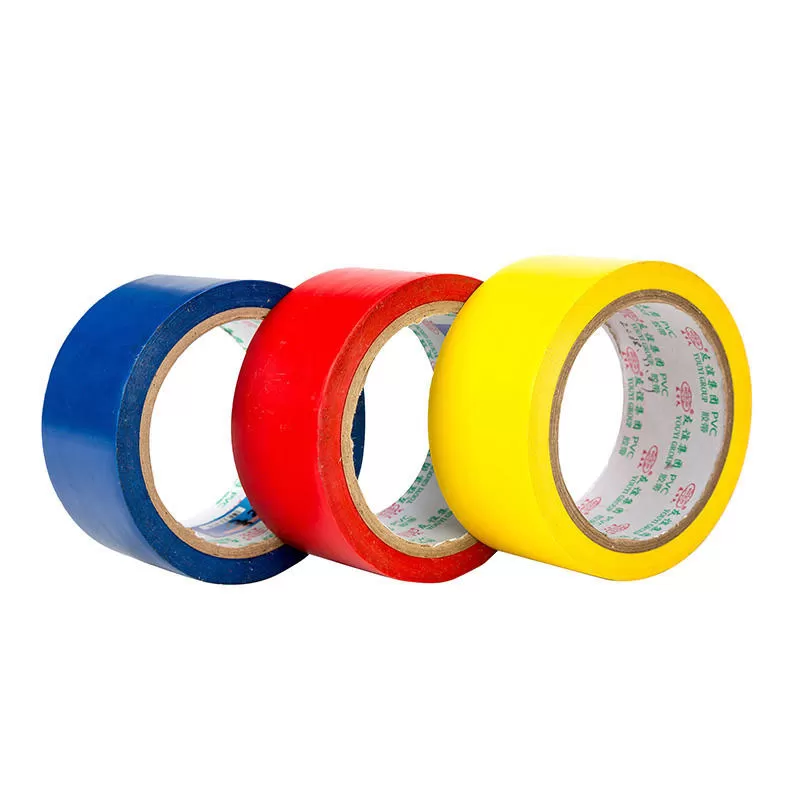
6. Why Partner with a Specialized PVC Tape Manufacturer: The Youyi Advantage
Selecting a manufacturer with deep process control and customization flexibility directly improves your production efficiency. Youyi operates ISO 9001-certified production lines dedicated to pvc tape with the following differentiators:
Custom Formulations: Tailored adhesive peel values (from low-tack removable to high-bond permanent) and backing colors matched to Pantone codes.
Regulatory Compliance: All products meet RoHS, REACH SVHC, and California Proposition 65 standards for global distribution.
Consistent Unwind Tension: Precision slitting and core alignment eliminates telescoping and reduces operator fatigue.
Technical Support: Access to application engineers who assist with failure analysis and custom sampling before volume orders.
Whether you need flame-retardant electrical tape, high-visibility floor marking rolls, or solvent-resistant bundling tape, a focused partnership ensures you receive verified specifications rather than generic promises.
7. Frequently Asked Questions about PVC Tape for Industrial Use
Based on procurement consultations with engineering teams, we address the most recurring technical questions regarding pvc tape selection and usage.
Q1: What thickness of PVC tape should I choose for cable harnessing in industrial robots?
A1: For dynamic flexing applications (e.g., robotic arms), use 0.15–0.18 mm thickness with high elongation (>200%). Thinner tape (0.10 mm) may not resist abrasion from repeated bending, while very thick tape (0.25 mm) reduces flexibility around tight radii. Pair with a low-adhesion backing coating to allow smooth payoff from the roll.
Q2: Can pvc tape be used as a substitute for heat-shrink tubing in electrical insulation?
A2: No, they serve different purposes. PVC tape provides temporary or vibration-resistant insulation and strain relief, but cannot replace heat-shrink for moisture sealing or environmental protection. Use tape only for primary insulation when the connection is indoors and not exposed to liquids.
Q3: How should pvc tape be stored to maximize shelf life?
A3: Store rolls in original packaging at 15–25°C (59–77°F) with 40–60% relative humidity. Avoid direct sunlight, UV light, and contact with solvents. Rotate stock using FIFO (first-in-first-out) and do not store above heaters. Properly stored pvc tape retains performance for two years; Youyi marks manufacturing date on every carton.
Q4: Does all pvc tape contain phthalate plasticizers that pose health risks?
A4: No. Many industrial grades now use non-phthalate plasticizers (e.g., DINCH or polymerics) that comply with REACH and are phthalate-free. When sourcing for food processing environments or medical device manufacturing, request a phthalate analysis report. Youyi offers phthalate-free PVC tape with comparable flexibility.
Q5: How can I test if a pvc tape will leave residue on powder-coated metal surfaces?
A5: Perform a simple accelerated test: apply a 5 cm strip of tape onto a clean powder-coated panel, store at 60°C for 48 hours, then remove at a 90° angle. Inspect for any adhesive transfer using a clean white cloth. Quality tape should leave zero residue. If residue appears, the adhesive system is not thermally stable.
Q6: What’s the difference between “premium grade” and “general purpose” pvc tape in terms of flame retardancy?
A6: General purpose tape may not be self-extinguishing; it can propagate flame. Premium electrical grades are tested to UL 510, meaning they must extinguish within a specified time after the flame source is removed. For any application inside electrical panels or near live circuits, always demand UL510-marked pvc tape.
Ready to Optimize Your Adhesive Tape Supply Chain?
Choosing the right pvc tape directly impacts product safety, maintenance cycles, and operational uptime. If you require custom slitting, specific flame ratings, or ongoing quality verification, discuss your application with a dedicated manufacturer. Youyi provides engineering consultation, free evaluation samples, and roll-to-roll consistency backed by in-house testing laboratories. Send your specification sheet or describe your bonding challenge—we will respond with a tailored proposal and technical data within 24 hours.
Send your inquiry now: sales@yyjnd.com or fill out the request form on our industrial portal to receive a sample kit and performance certificates.