




The global adhesive industry relies on high-efficiency production cycles where the primary intermediary product is the large-format roll. In professional circles, this is known as the tape jumbo roll. These massive units serve as the raw material for converters and distributors who slit them into finished retail or industrial sizes. Understanding the technical nuances of these rolls requires a deep dive into polymer science, coating precision, and mechanical engineering. For a manufacturer like Youyi, maintaining rigorous standards at this scale is what separates industrial-grade reliability from subpar performance.
The Structural Anatomy of a Professional Grade Roll
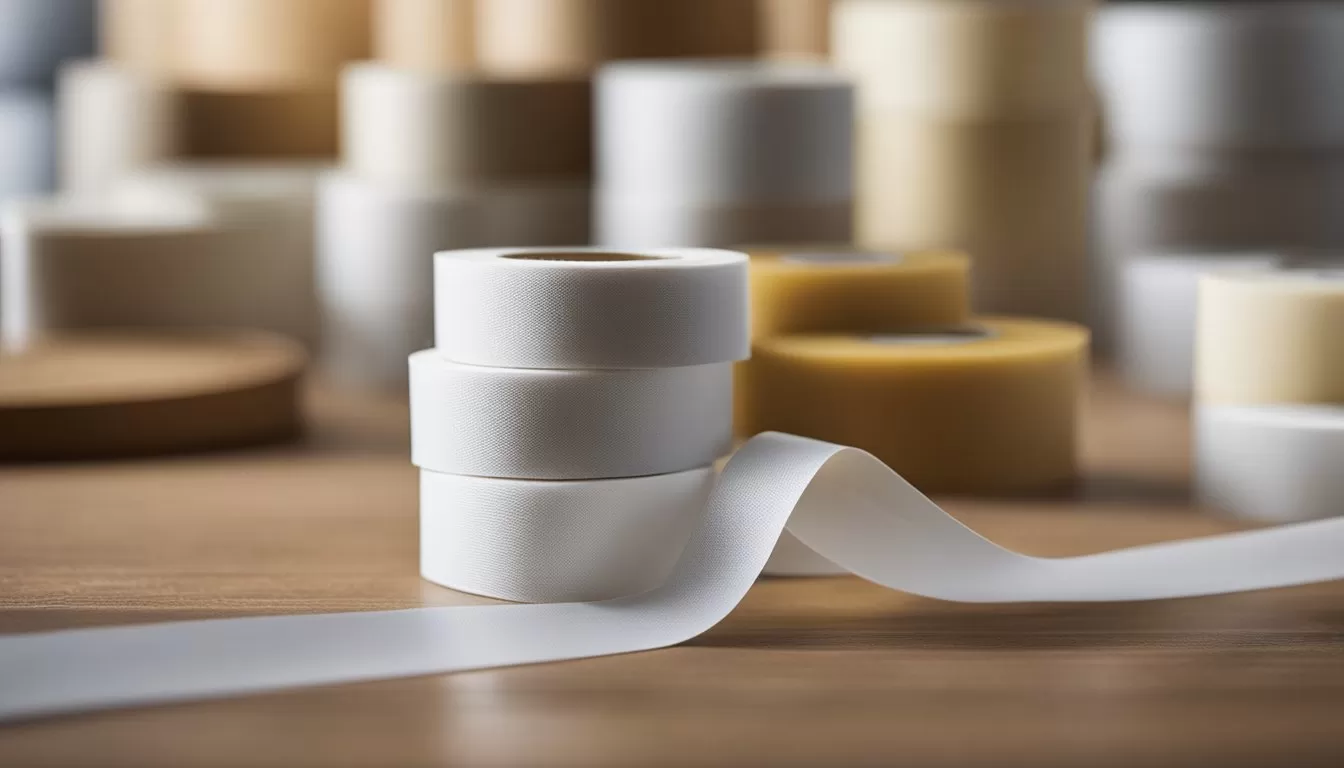
A high-quality tape jumbo roll is not merely a long strip of adhesive material; it is a complex multi-layered system engineered for specific mechanical stressors. The integrity of the final product depends heavily on the synergy between the carrier and the adhesive matrix.
Substrate Selection and Polymer Properties
The choice of backing material determines the tensile strength, elongation, and thermal stability of the tape. Common substrates include:
Biaxially-Oriented Polypropylene (BOPP): Widely utilized for packaging due to its high longitudinal and transverse strength. It offers excellent clarity and resistance to moisture.
Polyvinyl Chloride (PVC): Preferred for electrical insulation and masking due to its inherent flame retardancy and high conformability.
Polyethylene Terephthalate (PET): Used in high-heat environments where dimensional stability is a primary requirement.
Reinforced Cloth or Paper: Specialized applications in duct sealing or painting require specific tear properties and surface textures.
Adhesive Chemistry and Formulation
The adhesive layer is where the chemical engineering aspect becomes prominent. Most industrial rolls utilize one of three primary adhesive systems:
Water-Based Acrylic: Known for long-term UV resistance and aging stability. It is an environmentally conscious choice for standard packaging requirements.
Solvent-Based Acrylic: Offers superior performance in extreme temperature fluctuations and better chemical resistance.
Hot Melt (Synthetic Rubber): Provides high initial tack and shear strength, making it suitable for automated high-speed sealing lines.
Manufacturing Precision: The Coating and Winding Process
The production of a tape jumbo roll involves sophisticated machinery that must maintain consistent tension and temperature. Any variance during the coating process can lead to defects that amplify once the material is slit into smaller rolls.
Coating Uniformity
The "coat weight" refers to the amount of adhesive applied per square meter. In high-precision manufacturing, this is measured in microns. Inconsistent coating leads to "adhesive voids" or "heavy spots," both of which interfere with the slitting process and end-user application. Advanced gravure or slot-die coating methods are utilized to ensure the variance remains within a tight tolerance, often less than ±1 micron.
Winding Tension Management
Winding is perhaps the most difficult phase of production. If the roll is wound too tightly, the adhesive can squeeze out from the sides (edge ooze). If it is too loose, the roll becomes unstable, leading to "telescoping" during transport. Automated tension control systems monitor the diameter of the roll as it grows, adjusting the torque of the winding mandrel in real-time to maintain a constant internal stress profile.
Technical Specifications for Industrial Converting
For converters, the specifications of a tape jumbo roll are the blueprint for their slitting operations. These specifications go beyond simple width and length.
Core Integrity: Most industrial rolls are wound on heavy-duty 3-inch or 6-inch paper or plastic cores. The core must withstand the crushing force of thousands of meters of tightly wound material.
Splice Frequency: In a professional B2B context, the number of splices per roll must be minimized. High-quality manufacturers like Youyi ensure that splices are clearly marked and kept to a minimum to prevent machine downtime during the conversion process.
Release Coating: To ensure the tape unwinds smoothly, the non-adhesive side of the substrate is often treated with a release agent (often silicone-based). The "release force" must be calibrated so that the tape does not snap during high-speed unwinding.
Common Industry Challenges and Mitigation Strategies
Operating at the scale of a tape jumbo roll introduces several physical phenomena that can compromise quality if not managed by expert personnel.
The Phenomenon of Adhesive Migration
Over time, especially in high-temperature environments, adhesive molecules can migrate into the substrate or the release coating. This results in "ghosting" or a change in the unwind force. To mitigate this, manufacturers use primer layers to lock the adhesive to the substrate and ensure that the chemical cross-linking of the adhesive is fully completed during the curing phase.
Addressing Telescoping and Core Collapse
Telescoping occurs when the inner layers of the roll shift laterally against the outer layers. This is usually a symptom of inconsistent winding tension or poor storage conditions. Professional warehouses must maintain a climate-controlled environment, typically 21°C with 50% relative humidity, to ensure the physical stability of the rolls over long durations.
Optimizing Slitting Efficiency
The primary reason for purchasing a tape jumbo roll is to convert it into finished goods. Efficiency in this stage is the difference between a profitable operation and one plagued by waste. Using a high-grade tape jumbo roll allows for:
Higher Slitting Speeds: Uniform adhesive and substrate thickness allow machines to run at maximum RPM without risk of breakage.
Reduced Waste: Consistent edge profiles mean that the "trim" (the waste at the edges of the jumbo roll) is kept to a minimum.
Blade Longevity: High-quality adhesives that are properly cured do not gum up the slitting blades, extending the intervals between maintenance.
The Role of Quality Control in Global Logistics
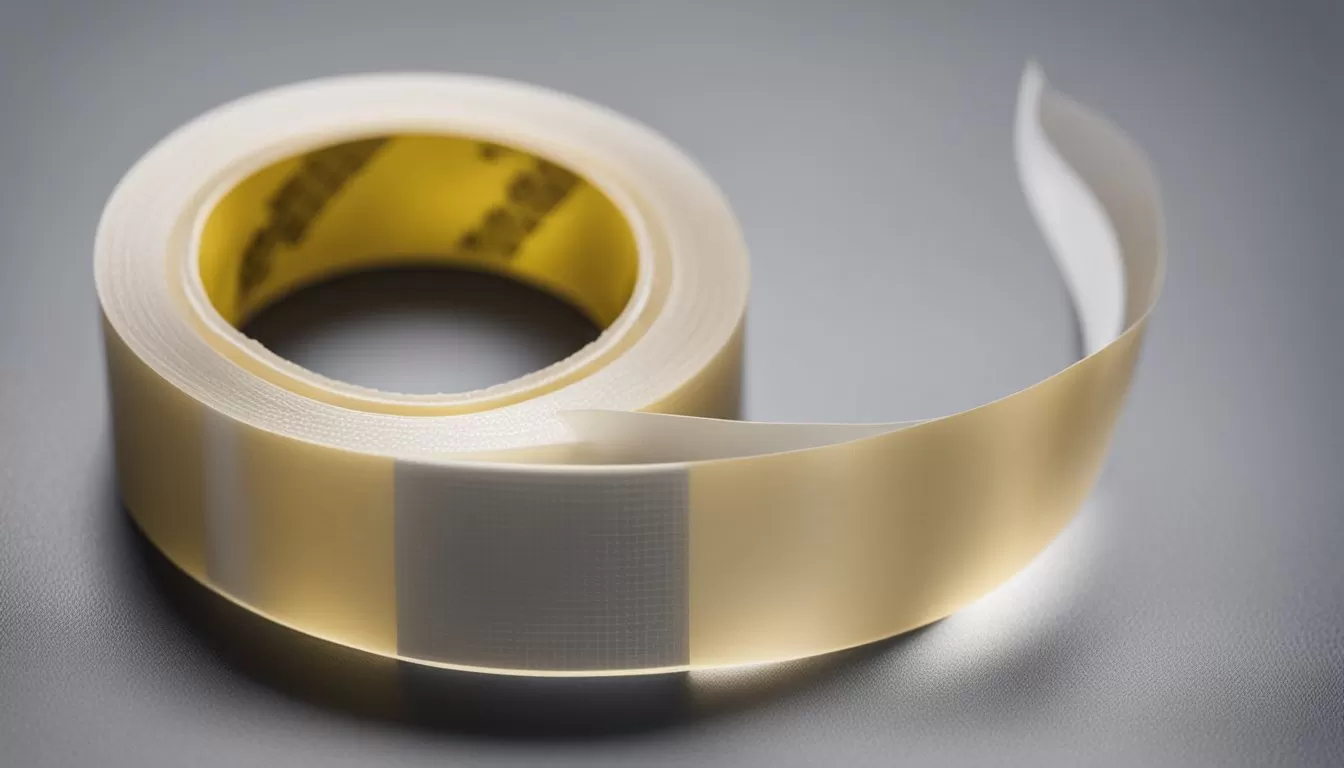
Shipping these massive units internationally requires robust packaging. Each roll is typically suspended in a wooden crate or secured on a specialized pallet to prevent the face of the roll from touching any surface. This prevents "flat spots" which can cause vibrations during the slitting process. As a leader in the sector, Youyi employs rigorous post-production testing, including 180-degree peel tests, shear strength analysis, and accelerated aging trials, to ensure that the material arriving at a client's facility performs exactly as it did in the laboratory.
Advanced Applications and Niche Requirements
While packaging is the most common use case, the demand for specialized jumbo rolls is increasing in technical industries.
Automotive: Used for wire harness wrapping and permanent component mounting. These require high-performance acrylics that can withstand engine bay temperatures.
Electronics: Antistatic (ESD) rolls are necessary for cleanroom environments to prevent static discharge during the unwinding process.
Construction: Heavy-duty rolls for vapor barriers and thermal insulation sealing require specific moisture vapor transmission rates (MVTR).
Selecting a Strategic Manufacturing Partner
Success in the adhesive market is built on the foundation of the raw materials used. A tape jumbo roll is a significant investment, and its quality dictates the operational efficiency of the entire downstream supply chain. By focusing on technical specifications, polymer integrity, and winding precision, distributors can ensure they provide the market with reliable, high-performance solutions.
For businesses seeking high-volume, precision-engineered adhesive solutions, partnering with an established authority is a necessity. If you require detailed technical data sheets or a consultation on custom adhesive formulations for your specific industrial needs, our team is ready to assist with professional guidance and logistical support.
Contact us today for a technical consultation and inquiry regarding our full range of industrial adhesive solutions.
Frequently Asked Questions (FAQ)
Q1: What is the standard width and length for a typical tape jumbo roll?
A1: While dimensions can vary based on the coating line, the most common industrial widths are 1280mm, 1310mm, and 1610mm. Standard lengths for BOPP packaging tape rolls usually range from 4000 to 6000 meters, depending on the micron thickness of the tape.
Q2: How does temperature affect the storage of jumbo rolls?
A2: Adhesive products are chemically sensitive. High temperatures can cause the adhesive to soften and bleed from the edges, while extreme cold can lead to "shock" where the adhesive becomes brittle. It is recommended to store rolls in a dry, ventilated area between 15°C and 25°C.
Q3: Can the adhesive formulation be customized for specific climate conditions?
A3: Yes. For example, rolls destined for tropical climates may require a higher shear resistance to prevent the adhesive from sliding under heat, while rolls for cold-storage applications use specialized winter-grade acrylics that remain tacky at sub-zero temperatures.
Q4: What is the significance of the "micron" rating in jumbo rolls?
A4: The micron rating refers to the total thickness of the tape (substrate plus adhesive). A higher micron rating generally indicates a stronger tape with more adhesive "bite," suitable for heavier cartons or more demanding surface textures.
Q5: How do you prevent core deformation during long-distance sea freight?
A5: We utilize high-density reinforced paper cores with a minimum wall thickness of 10mm to 15mm. Additionally, rolls are packed using a "suspension packaging" method where the core supports the weight, ensuring the tape surface never makes contact with the pallet or crate.
Q6: What is the typical shelf life of an unslit jumbo roll?
A6: When stored under optimal conditions (away from direct sunlight and moisture), most acrylic-based rolls have a shelf life of 12 to 24 months. Rubber-based hot melt adhesives typically have a shorter shelf life of approximately 6 to 12 months due to the natural oxidation of synthetic rubbers.