




In the world of palletized shipping and warehousing, stretch film is the silent workhorse. It secures millions of tons of goods daily, yet its selection is often an afterthought. A mismatch between film specifications and actual load requirements leads to damaged products, wasted materials, and delayed operations. This guide offers a systematic review of stretch film engineering, performance thresholds, and sourcing strategies—drawn from two decades of industry practice. Whether you handle lightweight cartons or irregular metal components, understanding these eight factors will transform your pallet wrapping process from a guesswork exercise into a reliable, repeatable operation.
1. Material Science: Why Resin Composition Defines Film Behavior
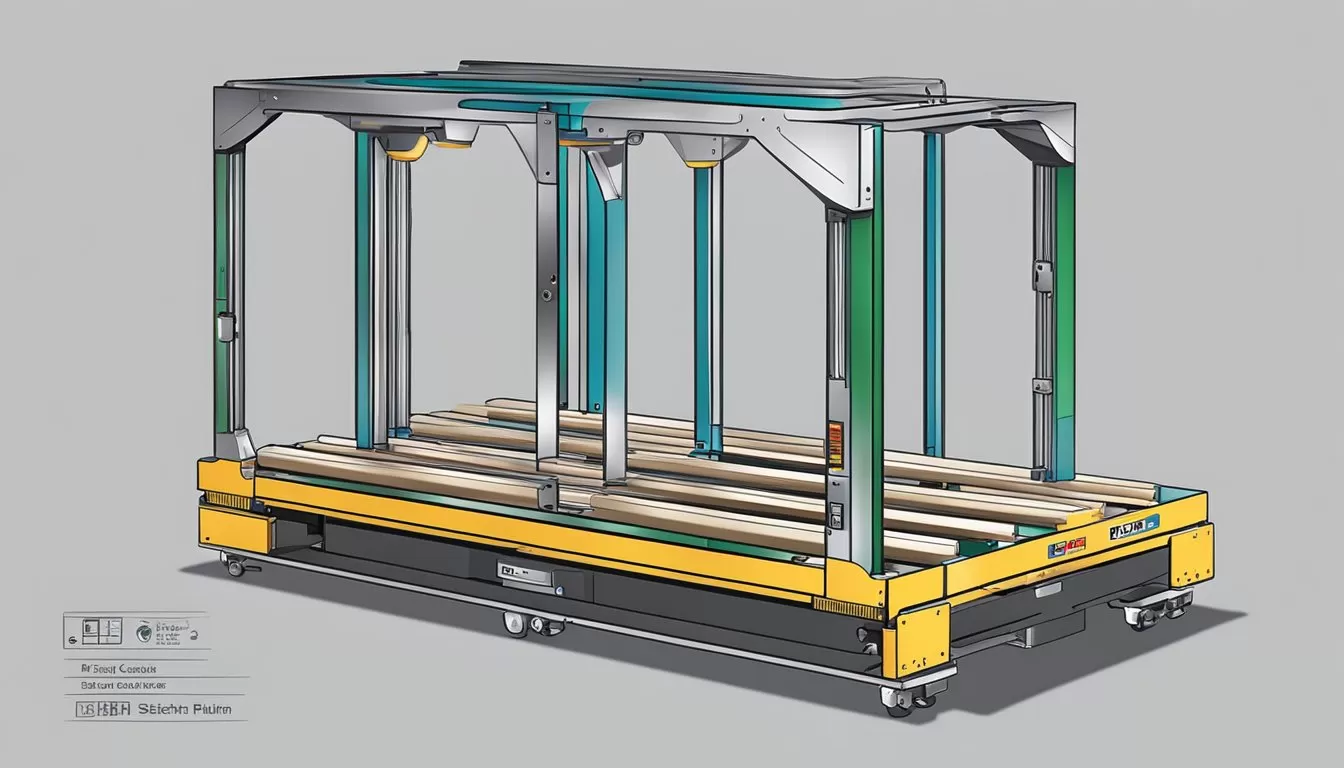
The base resin of a stretch wrap determines its elasticity, tear resistance, and cling. Linear Low-Density Polyethylene (LLDPE) is the industry standard, but variations in metallocene catalysts and butene/hexene copolymers create distinct performance grades. High-performance films incorporate multilayer coextrusion, where each layer serves a function: outer layers for high cling, inner layers for load retention, and puncture-resistant skins for sharp corners. When evaluating stretch film from suppliers like Youyi, request the resin type and additive package—UV stabilizers for outdoor storage, anti-static agents for electronics, or colored tints for load identification. A blown film offers higher puncture resistance due to its cross-directional strength, while cast film delivers silent unwind and consistent clarity, suitable for automated lines.
2. Core Mechanical Properties Every Buyer Should Verify
Beyond basic elongation, three metrics directly influence load holding force. First, tensile strength at break (measured in MPa) indicates how much pulling force the film can withstand before rupture—essential for pre-stretched machine applications. Second, puncture resistance (Joules or Newtons) matters when wrapping pallets with exposed bolts, timber edges, or recycled containers. Third, holding force (also called load containment force) expresses the film's ability to keep constant tension over time. Quality stretch film should deliver at least 300% elongation for hand grades and 250% pre-stretch for machine grades while maintaining 85% of its original holding force after 24 hours. Request test reports from your supplier: a transparent data sheet builds trust and prevents field failures.
3. Hand Grade versus Machine Grade – Critical Distinctions
Many purchasers incorrectly assume that any film fits any dispenser. Hand stretch film is designed for low-volume, varied pallet shapes, with thicker gauges (usually 20–30 microns) to compensate for inconsistent manual tension. Machine film runs on powered pre-stretch carriages, allowing thinner gauges (12–20 microns) and much higher yields per roll. Using hand film on a machine reduces pre-stretch ratio and wastes material; using thin machine film manually leads to tearing and poor load containment. For facilities with mixed operations, Youyi offers dual-purpose grades that perform adequately in both scenarios, but best practice involves separate inventories. Measure your average weekly pallet count: below 500 pallets often justifies hand wrapping; above 2000 strongly favors automated turntables or orbital wrappers combined with high-performance machine rolls.
4. Application-Specific Strategies Across Major Industries
Tailoring film choice to your product category delivers immediate improvements.
Food & beverage: Secondary packaging on glass bottles requires high cling and load stability without over-compression. Use embossed films to prevent slipping between layers.
Automotive parts: Sharp edges (brackets, stampings) demand high puncture resistance. Blown stretch films with >60N puncture force are recommended.
Chemicals & powders: Sealed loads need consistent tension; opt for machine film with consistent gauge profile (±5% tolerance) to avoid bag breakage.
E-commerce fulfillment: Mixed case sizes and fast turnover benefit from pre-stretched hand films that reduce worker fatigue and speed up packaging.
For each sector, calculating the proper overlap and number of wrap revolutions is as important as film selection. A heavily palled load of beverages may need only 1.5 wraps at top and bottom plus spiral coverage, while lightweight tall cartons require full web coverage to prevent tipping.
5. Solving Frequent Operational Failures
Field audits regularly reveal five failure patterns directly linked to stretch film handling or specification errors.
Load shifting during transport: Usually caused by insufficient pre-stretch tension or low holding force film. Solution: increase pre-stretch ratio gradually (target 200-250% for machine wraps) and use film with higher recovery force (measured as ASTM D5458).
Edge tears at pallet corners: Film properties lacking puncture resistance or wrapping pattern missing corner reinforcements. Add two extra corner wraps or switch to a film with enhanced puncture rating.
Film neck-down (width reduction) after application: Occurs when film is stretched beyond its elastic limit. Reduce the stretch percentage and verify your dispenser’s brake settings.
Poor cling on dusty or cold loads: Standard cling additives become ineffective below 5°C. Use cold-temperature films with permanent cling properties.
Waste accumulation from roll changeovers: Optimize roll width and length to match daily pallet output. For example, a 500mm x 2000m roll suits high-volume lines, while 300mm x 500m rolls better serve manual stations.
Regular audits of wrap patterns and brake calibrations reduce film consumption by 15–25% without compromising load security.
6. Sustainability Considerations: Material Reduction and Recycling Pathways
The packaging industry faces pressure to lower environmental footprint. Stretch film can contribute positively through three approaches. First, gauge reduction: switching from 23-micron to 17-micron high-performance machine film reduces plastic mass by 26% for the same pallet count, provided film strength is maintained. Second, using pre-stretched hand film (already stretched at factory) eliminates on-site stretching variability and reduces waste. Third, closed-loop recycling programs: many distributors now collect used stretch wrap, regrind it into garbage bags or new film cores. Youyi participates in such programs, offering certified recycled-content films with up to 30% post-industrial resin while retaining full load stability. Verify that your film is free from labels, tape, and heavy contamination if you intend to recycle.
7. Establishing a Supplier Evaluation Protocol
Not all stretch film providers offer the same quality assurance. When assessing potential partners, request documentation on four items:
Gauge profile consistency (target ±2 microns across roll width).
Roll length accuracy (industry tolerance is ±1.5%).
Mill certificate showing resin source and additive package.
Accelerated aging test results (simulates 6 months of warehouse storage).
Additionally, evaluate the supplier’s ability to provide technical support. Can they perform on-site wrap audits? Do they offer training for your wrapping crew? Reliable manufacturers like Youyi deliver not just film but system optimization, including dispenser calibration and recommended wrap patterns. For large-volume users, a joint quarterly review of film consumption versus pallet damage rates helps fine-tune specifications.
8. Optimizing Wrapping Protocols and Equipment Calibration
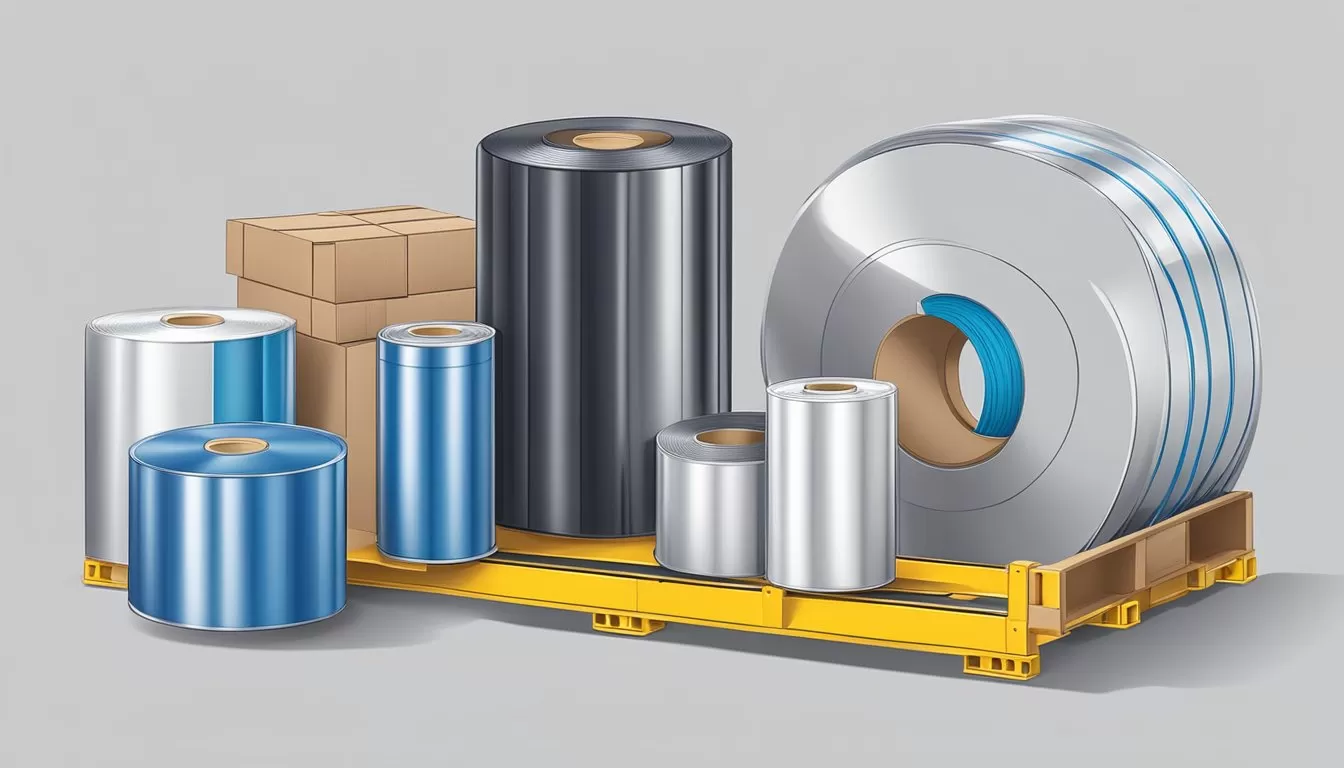
Even the best stretch film fails when wrapping parameters are off. Standardize your procedure: begin with 2-3 wraps at the pallet base (where most shear stress occurs), then spiral upward with 50% overlap, and finish with 2 wraps at the top. For unstable loads, add a cross-wrap (diagonal passes). On automatic turntables, pre-stretch percentage must match the film’s optimal elongation window—over-stretching reduces holding force; under-stretching wastes material. Calibrate your equipment quarterly using a tension meter. For hand wrapping, teach operators the “pull and lock” technique: pull film tight against the load, lock it on a corner, then rotate the roll around the pallet, not your arm. Simple behavioral changes cut film usage by 10-18% while improving load integrity.
Frequently Asked Questions (FAQ)
Q1: How do I determine the correct stretch film thickness for my
loads?
A1: Measure the weight and sharpness of your products. Light,
uniform boxes (under 500kg) perform well with 15-17 micron machine film or 20
micron hand film. Heavy or irregular loads (over 1000kg, with edges) require
20-23 micron machine film or 25-30 micron hand film. Always run a test: wrap
three pallets and subject them to a 15° tilt test or a 2-hour truck vibration
simulation.
Q2: Can I use the same stretch film for freezer storage and ambient
shipping?
A2: Not recommended. Standard stretch film becomes brittle
below -10°C, losing up to 40% of its puncture resistance. For freezer
applications (cold storage down to -30°C), specify low-temperature film with
special elastomers that maintain flexibility. If your operations span both
ambient and frozen, maintain two separate film inventories.
Q3: How many wraps are required to secure a typical
pallet?
A3: A standard rule: start with 2 bottom wraps, spiral up
with 50% overlap, and finish with 2 top wraps. For a 1.2m high pallet, this
equals roughly 10-12 total revolutions. Increase to 14-16 wraps for fragile
goods or tall, light loads. Always verify with a load stability test—wrap until
you cannot manually shift any case by pushing with moderate force.
Q4: What is the difference between pre-stretch and zero-stretch
film?
A4: Pre-stretch film is already elongated at the factory
(typically 150-200%) so operators apply it with lower pulling force, reducing
fatigue. Zero-stretch (conventional) film requires the operator or machine to
stretch it during application. Pre-stretch hand film can cut material use by 30%
compared to conventional hand film, but it costs more per roll. For high-volume
manual wrapping, the savings in waste and labor often justify the premium.
Q5: How can I reduce film waste without compromising load
safety?
A5: Four proven methods: 1) Switch to machine wrapping if
you exceed 500 pallets/week. 2) Install pre-stretch carriages with adjustable
ratios—a 250% setting uses half the film of 100% stretch. 3) Train operators to
avoid over-wrapping (more than two extra top/bottom wraps is redundant). 4) Use
performance films with higher holding force per micron, allowing a downgauge
from 23µ to 17µ. Many facilities achieve 20-35% waste reduction with these
steps.
Q6: Does colored stretch film offer any functional
advantage?
A6: Yes, beyond branding. Black or opaque stretch film
protects light-sensitive products (pharmaceuticals, certain foods) from UV
degradation. Colored films also provide visual coding: red for hazardous goods,
blue for temperature-controlled loads, green for recycled content. However,
colored films sometimes have slightly lower clarity and cling than transparent
equivalents; test compatibility with your application.
Selecting and deploying the right stretch film is a balance of material science, application discipline, and supplier partnership. The eight parameters discussed above—from resin composition to wrapping protocols—form a complete framework for reducing product damage, improving transport density, and meeting sustainability targets. For personalized assistance, including on-site audits, sample testing, and roll specification sheets, reach out to the specialists at Youyi. Share your current pallet dimensions, load weights, and wrapping method, and receive a custom proposal that ensures load integrity without over-specifying.
Ready to optimize your pallet wrapping process? Contact Youyi today to request free samples and a consultation on your specific application needs.