




In the global supply chain, packaging integrity directly influences operational success and brand reputation. As logistics networks face increasing pressure to balance security with environmental responsibility, selecting the correct carton sealing media becomes a primary decision. Kraft tape has emerged as a preferred solution for high-volume shipping operations due to its structural strength and processing compatibility. At Youyi, we manufacture industrial-grade adhesive products designed to meet rigorous logistical demands, helping enterprises maintain secure transit pathways while reducing packaging waste.
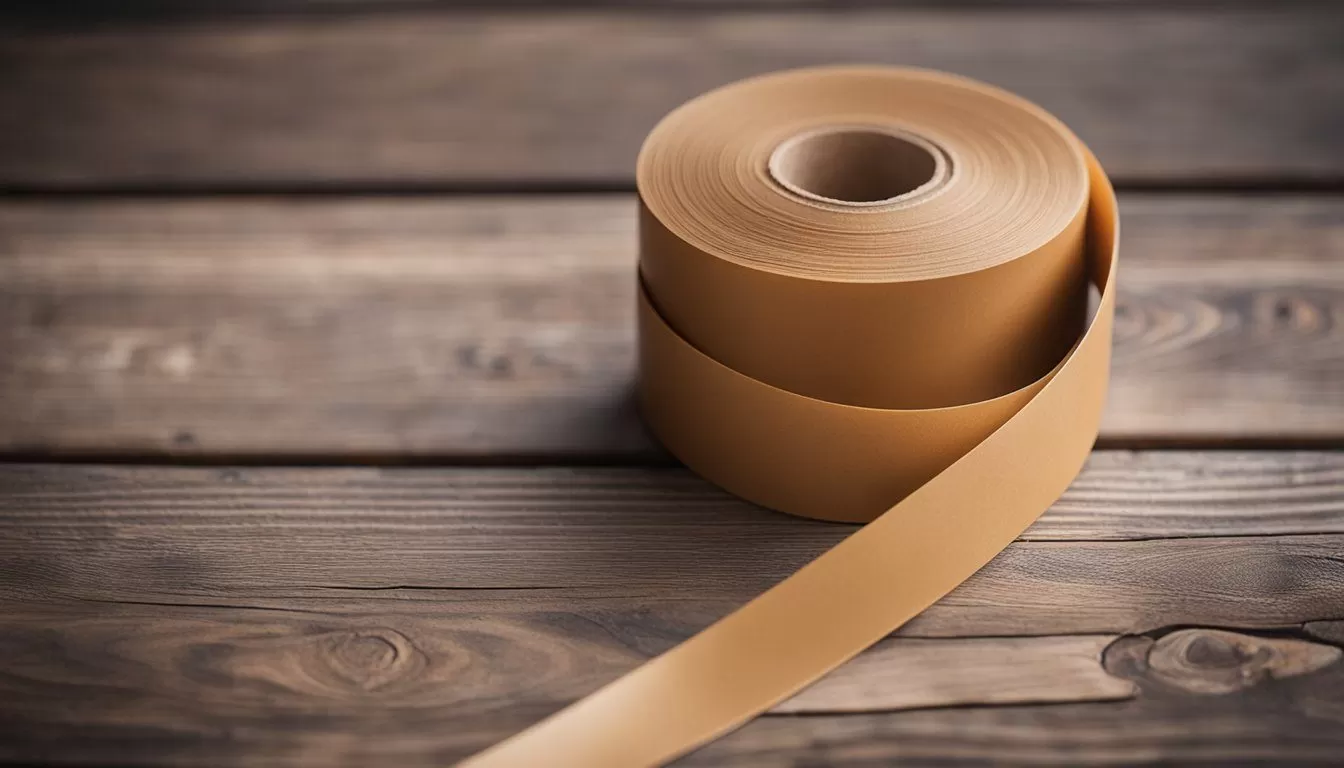
Material Architecture and Types of Kraft Paper Tape
To understand the performance advantages of paper-based carton sealing, one must analyze the material composition. Kraft tape consists of a paper backing—derived from chemical wood pulp—coated with either a water-activated starch adhesive or a pressure-sensitive adhesive. The selection depends heavily on the specific shipping environment and the carton substrate.
Water-Activated Tape (WAT) vs. Pressure-Sensitive Kraft Tape
Water-Activated Tape (WAT): Often referred to as gummed tape, this variant features a dry starch-based adhesive that requires moisture to activate. Once moistened, the adhesive penetrates the fibers of the corrugated carton, creating a deep, permanent bond. This bond makes the seal tamper-evident, as any attempt to open the carton results in visible fiber tear.
Pressure-Sensitive Kraft Tape: This type utilizes a natural rubber, hot melt, or solvent-based acrylic adhesive coating. Unlike WAT, it requires no moisture and bonds instantly upon the application of pressure. It is highly suitable for quick manual sealing and behaves similarly to standard plastic film tapes while retaining the aesthetic benefits of paper.
Reinforced vs. Flat Kraft Backing
Reinforced variants incorporate fiberglass yarns laminated between layers of paper. This addition significantly increases the tensile strength along both the machine and cross directions, making it capable of securing heavy-duty cartons weighing over 50 pounds. Flat or non-reinforced variants are ideal for lightweight to medium packaging, offering high conformability and ease of manual tearing.
Operational Efficiency with a Kraft Taper
Integrating paper-based sealing into an industrial assembly line requires the right dispensing machinery. A manual or electric kraft taper is used to moisten and cut water-activated varieties to precise lengths.
Electric dispensing systems provide significant benefits for medium to high-volume packing stations. An electric kraft taper automates the process by heating the water chamber, which speeds up the tackification of the starch adhesive. This heated water ensures immediate grab when the tape meets the carton surface, which is particularly beneficial in cold warehouse environments where standard adhesives struggle to cure.
Implementing a dedicated system can increase packaging throughput compared to manual plastic tape dispensers. Workers do not need to apply multiple strips of plastic tape; a single strip of reinforced paper tape secures the top and bottom seams. This reduces material consumption and labor time per carton.
Resolving Common Industrial Packaging Pain Points
Large-scale distribution facilities encounter specific challenges during the fulfillment process. Standard plastic packaging films often present drawbacks that paper tape solutions address directly.
Product Pilferage and Security
High-value items are vulnerable to theft during transit. Plastic tape can be sliced open and resealed without immediate detection. Because water-activated kraft tape fuses with the carton fibers, any unauthorized opening destroys the carton surface, providing clear evidence of tampering. This acts as a strong deterrent to theft throughout the distribution cycle.
Adhesion Failure in Extreme Temperatures
Warehouses and shipping containers experience severe temperature fluctuations. Traditional acrylic adhesives can lose tack in cold storage or melt in high-heat environments. Starch-based adhesives applied via a dispensing system maintain their structural bond from -20°C to 50°C, ensuring carton integrity in diverse climates without risk of peeling.
Dusty and Dirty Environments
In manufacturing plants, dust often coats corrugated boxes before sealing. Pressure-sensitive tapes struggle to adhere to dusty cardboard because the dust particles coat the adhesive surface. Water-activated paper tape, when properly prepared by a wet-dispensing system, penetrates through surface dust to bond directly with the underlying cellulose fibers, ensuring a reliable seal regardless of warehouse cleanliness.
Application Scenarios in Modern Logistics
The utility of paper-based packaging spans several key industrial sectors, each requiring specific performance parameters:
E-commerce Fulfillment Centers: High-speed operations rely on standard dimensions of carton sealing. Using reinforced paper tape ensures fast, uniform sealing that withstands the multi-handling nature of parcel delivery networks.
Heavy Machinery and Industrial Components: Heavy-duty boxes containing metal parts require high shear resistance. Reinforced paper tape prevents the seams of double-wall and triple-wall boxes from bursting under load-shifting conditions during sea or rail transit.
Cold Chain Logistics: Food and pharmaceutical distribution involves sub-zero environments. The natural fibers and starches used in paper tape remain flexible and robust under freezing temperatures where plastic backings become brittle and snap.
Sustainability and Lifecycle Analysis
Modern environmental regulations require businesses to evaluate the lifecycle of their packaging materials. Paper tape represents a major step forward in circular economy practices.
Standard corrugated boxes are highly recyclable. However, when boxes are sealed with plastic tape, the recycling process requires additional filtration steps to remove the plastic film. Paper-backed tape can be recycled directly alongside the box. During the repulping process, the non-toxic starch adhesive dissolves, and the paper fibers blend back into the pulp stream, reducing waste processing costs.
High-quality paper tape is manufactured from sustainably managed forests. By utilizing renewable resources instead of petroleum-derived plastics, companies can reduce their overall carbon footprint and align with global sustainability initiatives without sacrificing sealing performance.
Selecting and Maintaining Your Dispensing Equipment
To achieve consistent results, procurement managers must pair their tape selection with the appropriate dispensing systems. Non-reinforced tape can be handled by basic manual dispensers, but reinforced variations require heavy-duty cutting blades. Ensuring your kraft taper is calibrated for reinforced grades is necessary to prevent premature blade wear and jamming.
Regular maintenance of the dispensing unit is required to prevent adhesive residue on the kraft taper feed rollers and cutting shears. Cleaning the water reservoir and replacing the wetting brushes weekly ensures uniform moisture distribution, which is key to achieving maximum fiber-tear adhesion.
Sourcing Quality Materials with Youyi
Selecting a reliable manufacturer is paramount for global distributors and high-volume packing facilities. Youyi provides comprehensive manufacturing capabilities, supplying both standard and custom-printed kraft tape designed to meet precise tensile and adhesive specifications. Our production lines utilize advanced coating machinery to ensure uniform adhesive distribution and consistent roll length, minimizing downtime on the packaging floor. By integrating our high-quality paper tape with a reliable kraft taper, operations can achieve uniform security across all outbound shipments.
Inquiry and Procurement Support
Choosing the correct packaging specifications requires a clear understanding of your logistics profile, box weights, and environmental conditions. Our support team is available to assist you in selecting the ideal paper weight, reinforcement pattern, and adhesive type for your operations. For detailed product specifications, bulk pricing structures, or customized printing options, please submit your inquiry to our sales department. We will provide a tailored quote and material samples to assist in your verification process.
Frequently Asked Questions
Q1: Can kraft tape be recycled while still attached to the corrugated box?
A1: Yes, paper-based tape can be left on the cardboard boxes during the recycling process. The paper backing easily blends with the cardboard pulp, and the water-soluble starch adhesives are filtered out without clogging the recycling machinery.
Q2: What is the primary difference between reinforced and non-reinforced paper tape?
A2: Reinforced tape contains fiberglass yarns embedded between the paper layers, offering high tensile strength for heavy shipments. Non-reinforced tape lacks these fibers, making it easier to tear by hand and ideal for lighter cartons.
Q3: How does temperature affect the performance of water-activated paper tape?
A3: Once the starch adhesive cures, it forms a physical bond with the carton fibers that is highly stable across extreme temperatures, ranging from deep freeze environments to hot shipping containers.
Q4: Why does my water-activated tape sometimes fail to adhere properly?
A4: Poor adhesion is typically caused by insufficient moistening, worn-out brushes on the dispenser, or cold water temperatures. Ensuring the wetting brushes are clean and using warm water in cold warehouses will resolve this issue.
Q5: Can we print custom branding or logos directly onto the paper backing?
A5: Yes, the paper surface is highly receptive to water-based inks. Custom printing allows brands to display logos, handling instructions, or tamper-evident warnings directly on the seal.