




In large-scale industrial painting, automotive refinishing, and architectural coatings, surface protection represents a significant portion of labor costs and preparation time. Achieving clean paint lines while preventing overspray damage requires materials designed for precision and durability. Among the most widely adopted solutions in modern finishing operations is the spray pretaped covering masking film, a pre-assembled protective barrier that combines pressure-sensitive adhesive tape with a high-density folded plastic film. This document examines the physical properties, selection criteria, and operational advantages of using high-quality protective films in commercial settings, with specific reference to manufacturing standards supported by Youyi.
The Physics and Engineering of Protective Films
To understand the performance of a spray pretaped covering masking film, one must analyze its two primary components: the adhesive carrier tape and the protective polymer sheeting. These materials must function in unison under varying thermal, mechanical, and chemical conditions.
Polymer Film Substrates and Electrostatic Properties
The plastic film portion is typically manufactured from high-density polyethylene (HDPE). Unlike standard low-density packaging plastics, HDPE offers superior tensile strength in thin gauges, usually ranging from 8 to 12 microns. This thinness allows the film to drape easily over complex geometries, such as automotive body panels or architectural trim, without tearing.
During the extrusion process, the film undergoes a corona treatment. This process alters the surface energy of the polyethylene. Untreated polyethylene has low surface tension, causing liquid paint droplets to bead up, run, or flake off once dry. By applying a corona discharge, the surface energy is raised, allowing paint to adhere firmly to the film surface. This electrostatic charge serves a dual purpose:
It ensures that dry paint overspray clings to the film instead of flaking off and contaminating the wet painted surface.
It creates a static cling effect, allowing the unwound film to adhere closely to the protected substrate without requiring additional tape along its entire surface area.
Adhesive Tape Carriers
The tape attached to the film edge must be selected based on the specific application environment. Two primary categories dominate the B2B supply chain:
Crepe Paper Masking Tape: Utilizes a saturated crepe paper backing coated with a natural rubber or synthetic rubber adhesive. It is highly conformable, making it suitable for curved surfaces. It is commonly specified for indoor painting and moderate-temperature applications.
Washi (Japanese Flat Paper) Tape: Constructed with ultra-thin, strong paper fibers. It delivers extremely sharp paint lines and offers higher UV resistance, making it ideal for multi-day outdoor architectural projects.
Cloth Duct Tape: Used for heavy-duty applications, particularly on rough surfaces like concrete, brick, or stucco, where paper tape lacks sufficient adhesion.
Common Bottlenecks in Large-Scale Spraying Operations
Industrial coating facilities and commercial painting contractors frequently encounter quality control issues during the masking phase. Analyzing these challenges explains why precise material specifications are required.
Paint Bleed-Through and Edge Seeping
When paint solvents migrate under the adhesive edge of the masking tape, it results in jagged lines and costly rework. This failure occurs when the tape adhesive lacks adequate shear resistance or when the backing material is too porous. High-performance masking films must utilize tapes with controlled adhesion-to-steel ratios, ensuring that the edge seals completely against the substrate without lifting during pressurized spraying.
Adhesive Residues and Substrate Damage
A frequent issue in architectural and automotive refinishing is the transfer of adhesive residue onto the substrate upon removal. This problem is exacerbated by heat exposure (such as in automotive bake ovens) or ultraviolet (UV) radiation from sunlight. Over time, UV light breaks down the elastomer polymers in low-grade adhesives, turning them semi-liquid or permanently bonding them to the glass, metal, or wood surface. Industrial-grade films must specify clean removal windows, typically ranging from 3 to 14 days under specified environmental conditions.
From a mechanical perspective, the tensile strength of the tape backing is also vital. If the backing is too weak or degraded by moisture, the tape will sliver and tear during removal, dramatically increasing clean-up times.
Selecting the Right Spray Pretaped Covering Masking Film for Industrial Projects
When sourcing spray pretaped covering masking film for bulk distribution or large-scale contracting, procurement teams must evaluate several physical properties rather than relying solely on cost-per-roll metrics.
Adhesion Values and Peel Strength
Peel adhesion, measured in Newtons per 25 millimeters (N/25mm), dictates how firmly the tape sticks to a surface. A tape with too high an adhesion value can damage delicate coatings or leave residue. Conversely, insufficient adhesion leads to edge lifting. Standard architectural applications typically require a moderate peel adhesion of 5 to 7 N/25mm, whereas rough surfaces require values exceeding 10 N/25mm.
Temperature and Chemical Resistance
In automotive refinishing, masked vehicles are placed in drying ovens where temperatures can reach 80°C to 120°C for baking cycles. Under these conditions, standard rubber adhesives can melt or cross-link excessively, making clean removal impossible. Sourcing specialists must ensure that the selected spray pretaped covering masking film is rated for the specific baking temperature and duration of their drying cycles.
Additionally, the film and tape backing must resist solvent penetration. Modern industrial coatings contain aggressive solvents like toluene, xylene, or ketones. The masking material must prevent these chemicals from dissolving the film or softening the adhesive layer.
Manufacturing and Supply Chain Quality with Youyi
As a global supplier of adhesive products, Youyi focuses on delivering consistency across high-volume production runs. Ensuring that every batch of masking film performs predictably involves strict manufacturing protocols and quality control measures.
Advanced Co-Extrusion and Converting Processes
At Youyi, the production of the polyethylene film involves co-extrusion technology, which allows for precise control over film thickness and mechanical strength. This method minimizes gauge variation, ensuring there are no thin spots susceptible to puncturing during pressurized spray applications. The subsequent corona treatment is continuously monitored using surface tension dyne pens to guarantee that the paint retention properties remain uniform across the entire roll width.
The lamination process—where the adhesive tape is joined to the folded HDPE film—requires precise tension control. If the tape is applied under too much tension, the finished roll will warp, leading to application difficulties in the field. Youyi utilizes automated converting machinery to maintain balanced tension, producing straight, easily unwindable rolls.
Customization and Packaging Solutions for B2B Clients
Recognizing that different industrial sectors require distinct dimensions, Youyi offers extensive customization options:
Width Variations: Available in drop-down widths ranging from 550mm to 2700mm, accommodating projects from small trim masking to full vehicle or wall coverage.
Adhesive Formulations: Options for natural rubber, synthetic hot-melt, or solvent-based acrylic adhesives to match specific UV and thermal requirements.
Packaging Formats: Bulk-packaged rolls or individually shrink-wrapped units designed for retail distribution or direct integration into industrial inventory systems.
Application Techniques for Operational Efficiency
Even the highest quality spray pretaped covering masking film can fail if applied incorrectly. Training application teams on proper deployment techniques is necessary to achieve clean results and maintain fast cycle times.
Surface Preparation
Before applying the adhesive tape, the substrate must be free of dust, grease, moisture, and silicone contaminants. Even a microscopic layer of dust can reduce the contact area of the adhesive by half, leading to premature lifting during spraying operations. Cleaning with an appropriate solvent, such as isopropyl alcohol or a mild surface degreaser, is recommended for metal and plastic surfaces.
Deployment and Unfolding
The application follows a straightforward progression:
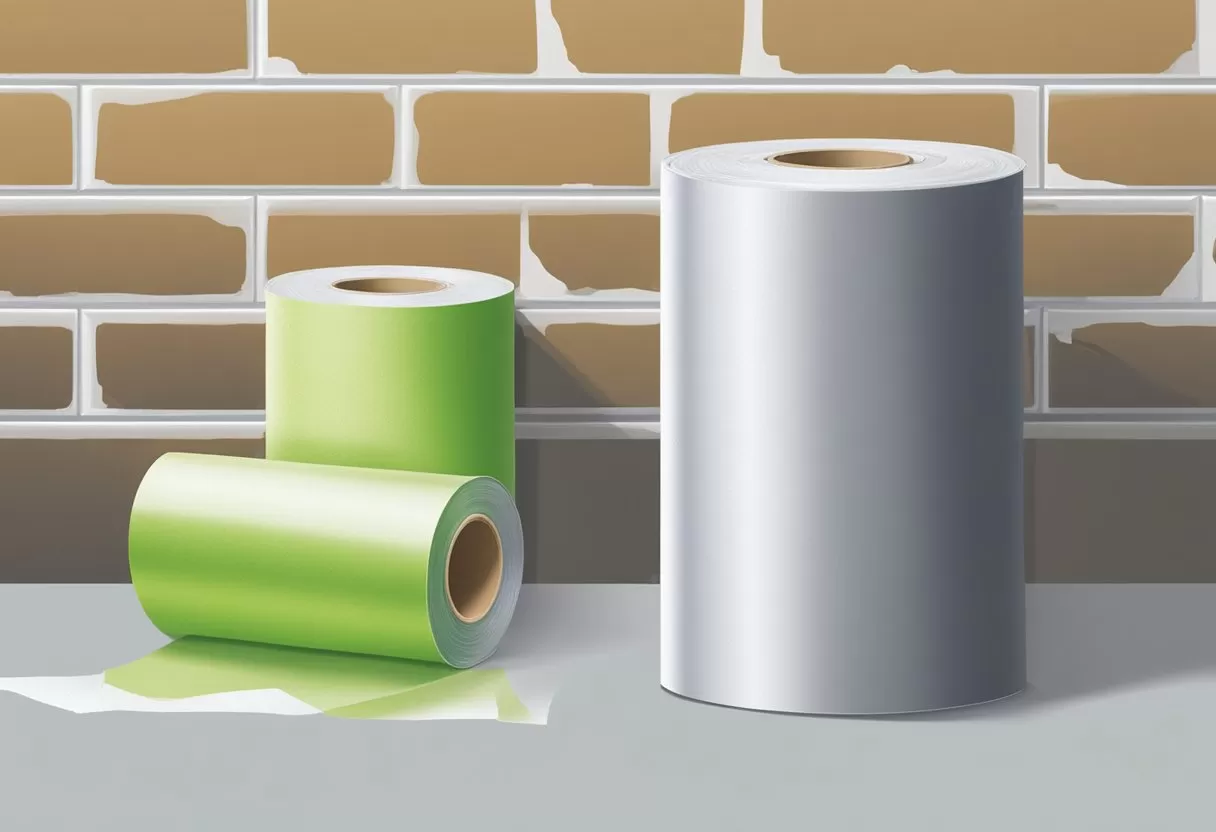
Apply the taped edge of the roll along the border of the area to be protected, pressing down firmly to wet the adhesive out onto the substrate.
Cut the film to the desired length using a specialized masking dispenser or utility knife.
Unfold the multi-folded HDPE film across the surface area to be protected. The static cling will pull the film flat against the dry surface, securing it against wind currents generated by spray guns.
Safe Removal Protocols
Removal should occur after the paint has set but before it has fully cured to a brittle state. Removing tape while the paint is still slightly pliable prevents the paint film from tearing along the seam, resulting in a cleaner edge. The tape should be pulled back slowly at a 45-degree angle relative to the paint line, pulling away from the painted area to minimize stress on the fresh coating.
Frequently Asked Questions
Q1: Can spray pretaped covering masking film be used with water-based paints?
A1: Yes. The corona-treated HDPE film is designed to hold both solvent-based and water-based paints securely. The treatment prevents water-based coatings from running off the film or pooling, which could otherwise lead to dripping onto freshly painted adjacent areas.
Q2: How long can the tape be left on a surface before it becomes difficult to remove?
A2: The clean removal window depends on the specific adhesive formulation and environmental exposure. Standard crepe paper masking tape should typically be removed within 3 days, especially if exposed to sunlight. For longer-duration projects or high UV exposure, films utilizing specialized Washi paper tapes with acrylic adhesives can provide clean removal for up to 14 days.
Q3: What makes Youyi's masking film more stable during high-pressure spraying than standard plastic sheeting?
A3: Youyi utilizes a high-density polyethylene (HDPE) formulation that is electrostatic charged. This charge causes the film to cling tightly to the substrate, preventing air pockets from ballooning or flapping when subjected to the high-velocity air streams of HVLP or airless paint sprayers.
Q4: Are there specific storage conditions required to maintain the shelf life of the rolls?
A4: To maintain the adhesive properties and prevent degradation, the rolls should be stored in a cool, dry warehouse environment, away from direct sunlight and sources of heat. The recommended storage temperature is between 15°C and 25°C, with a relative humidity of approximately 50%.
Q5: Is this film suitable for outdoor construction applications?
A5: Yes, provided the appropriate tape carrier is selected. For outdoor use on brick, plaster, or concrete, a film pretaped with heavy-duty cloth tape or UV-resistant Washi tape is recommended to withstand wind, moisture, and sunlight without detaching or leaving adhesive residue.
Sourcing and Custom Inquiries
For industrial distributors, automotive refinishing suppliers, and large-scale contracting firms, selecting a reliable manufacturing partner is essential to maintaining material consistency and supply chain security. Youyi provides comprehensive technical documentation, customized width configurations, and bulk supply options tailored to specific market demands.
To receive technical datasheets, request physical samples for trial testing, or discuss container-load pricing and custom packaging options, please contact our international B2B sales division. Our engineering team is available to assist you in matching the correct film thickness and adhesive formulation to your specific industrial requirements.