



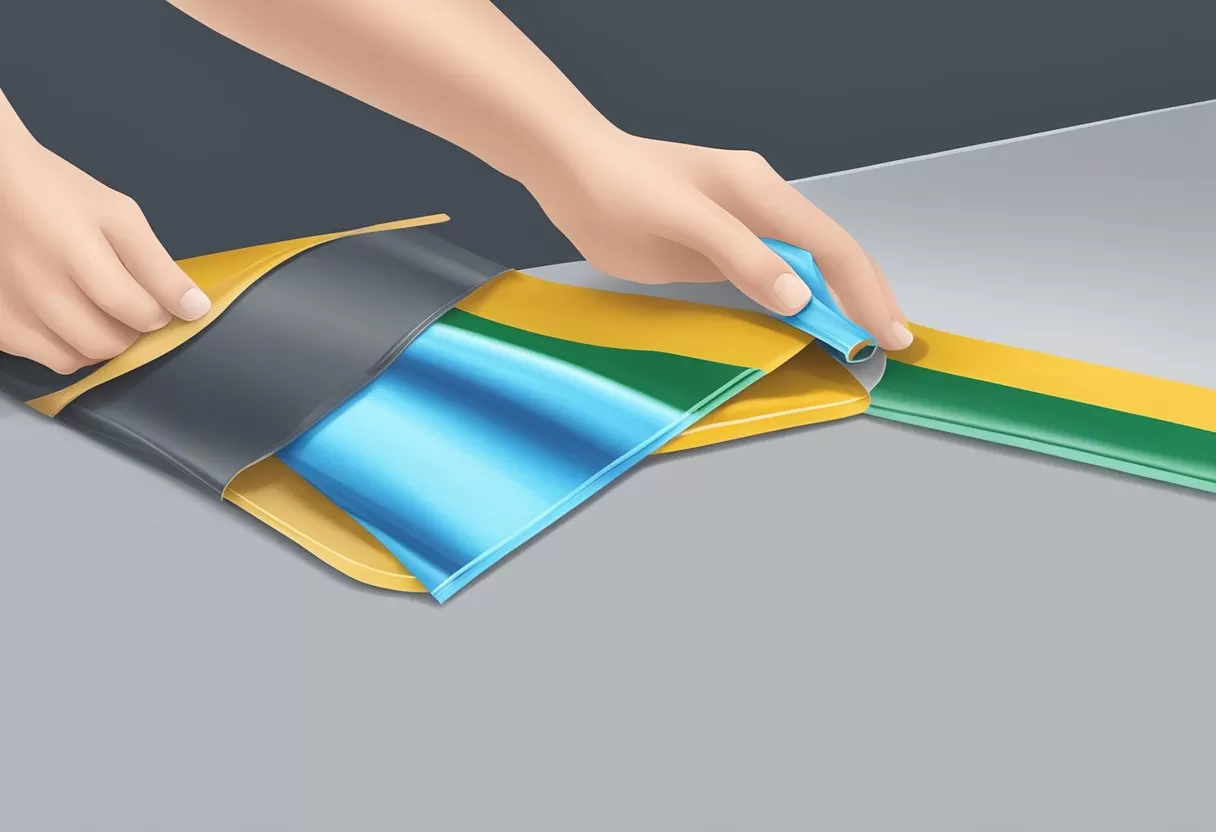
Moisture ingress and air leakage represent two of the most persistent challenges in civil engineering, metal building construction, and industrial manufacturing. Standard sealants often dry out, crack, or lose adhesion when subjected to continuous thermal cycling and environmental stress. For long-term structural integrity, engineers and procurement managers rely on specialized elastomeric joint sealants that maintain their physical properties over decades.
Among these solutions, seam sealing butyl tape has established itself as a reliable barrier material. This cold-applied adhesive compound provides immediate waterproofing and airtight seals across a wide variety of substrates. Understanding the underlying material science, performance metrics, and application requirements is necessary to make informed procurement decisions that protect infrastructure investments. As a global manufacturer of adhesive solutions, Youyi produces high-grade formulations designed to meet these rigorous industrial specifications.
The Chemistry and Formulation of Butyl-Based Adhesives
To understand why this adhesive compound performs reliably under harsh environmental conditions, one must examine its chemical foundation. Butyl rubber is a synthetic copolymer consisting of polyisobutylene with a small percentage of isoprene. The isoprene provides the necessary unsaturated sites for cross-linking, which gives the material its elastomeric memory and structural cohesive strength, while the polyisobutylene backbone yields excellent resistance to oxidation, ozone, and ultraviolet radiation.
Unlike natural rubber or polyurethane sealants, the molecular structure of butyl contains very few double bonds. This saturated chemical structure is the primary reason the material does not dry out, harden, or embrittle when exposed to sunlight or heat over extended periods. In the manufacturing process, Youyi combines this base copolymer with specialized tackifying resins, inert mineral fillers like calcium carbonate or talc, and plasticizers to achieve the desired balance of viscosity, tack, and cohesive strength.
A key characteristic of this compound is its plasto-elastic behavior. This property allows the tape to deform under mechanical pressure, flowing into microscopic surface imperfections of the substrate to create a true mechanical and chemical bond. Simultaneously, it maintains enough elastic recovery to withstand minor joint movement caused by wind loads, traffic vibrations, or thermal expansion. The absence of volatile organic compounds (VOCs) ensures that the material does not shrink over time, preserving the initial thickness and seal integrity of the joint.
Key Performance Indicators for Industrial Grade Sealing Tapes
Specifying the correct tape requires an objective analysis of material performance data. Standard testing methodologies established by organizations like ASTM provide a reliable framework for comparing adhesive formulations. Procurement officers should focus on several key parameters during the evaluation process:
Peel Adhesion (ASTM D3330): This test measures the force required to remove the tape from a specific substrate at a controlled angle and speed. High-quality formulations exhibit robust adhesion to metals, concrete, glass, and common plastics, often resulting in cohesive failure (where the adhesive itself splits) rather than adhesive failure (where the tape pulls cleanly away from the surface).
Tensile Strength and Elongation (ASTM D412): These metrics define how far the tape can stretch before tearing. Industrial applications require high elongation properties, allowing the seal to span widening joints without rupturing.
Water Vapor Transmission Rate (WVTR - ASTM E96): A primary function of seam sealing butyl tape is acting as a vapor barrier. Low WVTR values indicate that moisture molecules cannot easily diffuse through the compound, preventing corrosion behind metal panels and mold growth inside wall cavities.
Service Temperature Range: Industrial projects demand stability across extreme seasonal temperatures. Premium formulations are engineered to remain flexible at temperatures as low as -40°C without cracking, and stable at temperatures exceeding 90°C without sagging, melting, or flowing out of the joint.
Alongside these mechanical values, the rheological properties of the compound must be tailored to the specific application. A tape designed for vertical wall panels requires a high resistance to cold flow, preventing the gravity-induced downward migration of the adhesive under high summer heat. Conversely, a tape engineered for compression joints in metal roofing can utilize a softer formulation that easily compresses under fastener load to form a continuous gasket.
Resolving Common Failures in Construction and Industrial Sealing
Even high-specification materials can fail if applied incorrectly or matched with incompatible substrates. Analyzing common field failures provides valuable insights into proper selection and installation methodologies.
One frequent issue is substrate contamination. Dust, moisture, oils, and surface oxidation act as barrier layers, preventing the adhesive from making direct molecular contact with the structural material. While butyl adhesives possess excellent wet-out characteristics, applying them over heavy dust or standing water will inevitably lead to localized adhesion failure. Proper surface preparation, including wiping with compatible solvents and ensuring dry conditions, is a fundamental step in the installation process.
Another common failure mechanism is plasticizer migration. When butyl tape is placed in direct contact with certain flexible plastics, such as highly plasticized polyvinyl chloride (PVC) membranes, the plasticizers within the PVC can migrate into the butyl compound. This chemical interaction softens the butyl, transforming it into a sticky, fluid mass with little to no cohesive strength. To prevent this, engineers must verify chemical compatibility or utilize a barrier film between the incompatible materials.
Mechanical stress concentrations also lead to premature seal failure. If a joint experiences movement that exceeds the design limits of the tape, the adhesive will undergo cohesive failure. This is often resolved by selecting a thicker tape profile or utilizing a double-sided tape configuration that distributes the mechanical shear forces more evenly across a larger surface area. Youyi offers varying thicknesses and customized widths to ensure the physical dimensions of the tape match the expected joint movement profile.
Key Industrial Applications of Seam Sealing Butyl Tape
The versatile physical properties of this elastomeric sealant make it suitable for a broad spectrum of demanding industrial sectors. Each application highlights a specific strength of the butyl formulation.
Metal Building and Roofing Systems
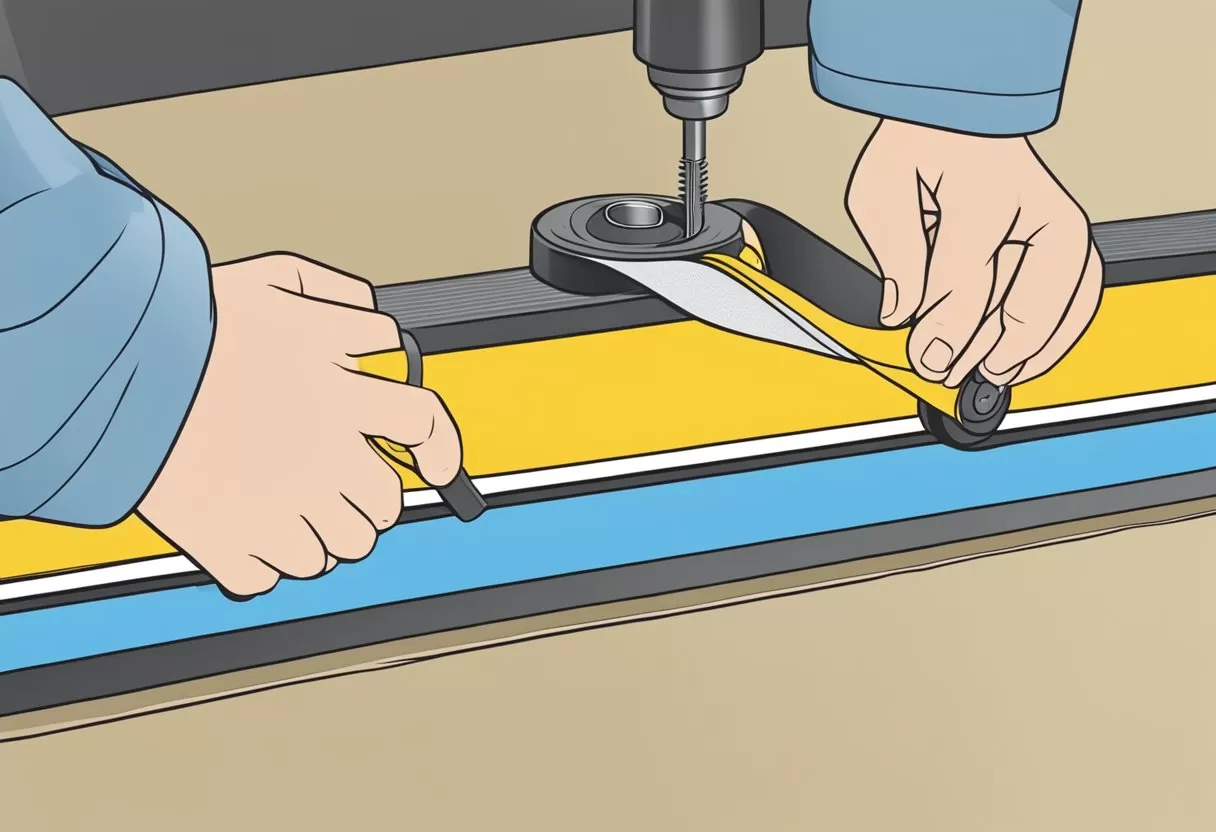
In metal construction, steel panels expand and contract significantly with daily temperature fluctuations. This constant thermal movement places continuous stress on the fastned joints. Applying a high-performance tape along the metal side laps and end laps creates a durable, flexible gasket. The tape seals around the shank of the self-tapping screws, preventing water from dripping through the fastener holes under heavy rain and wind pressure. It also cushions the metal sheets, reducing noise generated by wind vibration.
HVAC Ductwork and Ventilation Sealing
Air distribution systems must be airtight to prevent energy loss and maintain balanced air pressures. Using seam sealing butyl tape on duct flanges, rectangular joints, and round spiral pipe connections ensures a long-term airtight seal. The formulation is resistant to the continuous airflow, minor pressure fluctuations, and internal humidity common in commercial ventilation systems. Because the material does not dry out, it remains unaffected by the continuous dry air flowing through the system.
Infrastructure and Underground Utilities
Precast concrete structures, such as manholes, culverts, utility vaults, and retaining walls, require robust joints to keep groundwater out and prevent soil erosion. Heavy-duty butyl tapes are applied to the tongue-and-groove joints of concrete segments before they are lowered into place. The weight of the concrete compresses the tape, forcing it into the porous surface of the concrete. This creates a permanent, water-tight seal capable of resisting hydrostatic pressure, microbial attack, and the mildly acidic or alkaline chemical conditions of the surrounding soil.
RV, Automotive, and Specialized Vehicle Assembly
The manufacturing of recreational vehicles, heavy trucks, and trains involves joining dissimilar materials such as aluminum, fiberglass, steel, and plastics. These vehicles are subjected to continuous vibration, aerodynamic forces, and varying weather patterns. Butyl sealing tapes are placed between the exterior trim panels, window frames, and roof seams to absorb road vibrations while keeping the passenger cabins dry and dust-free. The vibration-damping properties of the butyl polymer contribute to a quieter cabin environment.
Selection Criteria for B2B Procurement Managers
Sourcing the correct adhesive product for large-scale operations requires looking beyond the unit price. Procurement teams must evaluate several practical factors to optimize assembly line efficiency and reduce overall project costs.
The release liner is one such practical factor. The paper or plastic backing that protects the adhesive before application must peel away cleanly and without tearing, even in humid or cold environments. A liner that tears easily or adheres too strongly to the butyl mass slows down the installation process, leading to increased labor costs and production bottlenecks. Youyi offers both siliconized paper and polyethylene release liners, tailored to the specific application environment and handling requirements of the customer.
Packaging and shelf-life stability also play major roles in inventory management. Since butyl tape is a plasto-elastic material, improper packaging can lead to roll deformation during transit and storage, especially in warm climates. Stacking boxes too high or exposing them to direct heat can cause the adhesive to squeeze out from the sides of the roll, rendering the product difficult to unwind. Selecting a supplier that utilizes sturdy, release-coated spacer discs and heavy-duty packaging ensures that every roll arrives in usable condition, minimizing waste and maintaining consistent material properties during storage.
Manufacturing and Customization Capabilities by Youyi
Meeting the precise demands of diverse industrial applications requires advanced manufacturing capabilities and strict quality control. Youyi operates state-of-the-art extrusion lines designed to produce butyl adhesive tapes with exceptional dimensional stability. Our extrusion processes allow for precise control over thickness, width, and adhesive profile, ensuring that every batch complies with strict tolerances.
We recognize that standard off-the-shelf products do not always meet the unique requirements of specialized engineering projects. Consequently, Youyi offers comprehensive customization services. This includes laminating the butyl compound to various backing materials, such as aluminum foil for enhanced UV resistance and thermal reflectivity, non-woven fleece for paintable surface applications, or high-strength PET films for added puncture resistance. By adjusting the polymer blend, we can also customize the tack level, cohesive strength, and temperature resistance to match specific installation environments.
Contact Our Engineering Team for Custom Sealing Solutions
Selecting the appropriate sealing material is a critical step in ensuring the longevity and structural performance of your projects. Our technical sales engineers are available to assist you in determining the exact specifications, thickness, and carrier backing required for your specific industrial application.
We provide full support throughout the procurement process, including supplying material datasheets, physical test reports, and custom-cut samples for validation testing on your production lines. Contact Youyi today to submit your design parameters, request a comprehensive quote, or arrange a consultation with our product development specialists.
Frequently Asked Questions
Q1: What is the difference between butyl tape and standard acrylic or rubber adhesive tapes?
A1: Butyl tape is a non-curing, plasto-elastic compound that remains flexible throughout its lifespan, allowing it to conform to joint movements and self-heal minor punctures. Acrylic and standard rubber-based tapes are typical pressure-sensitive adhesives designed for immediate surface adhesion, but they generally lack the bulk sealing volume, weatherproofing depth, and long-term elasticity of butyl, making them less suitable for heavy-duty compression joints.
Q2: Can seam sealing butyl tape be applied to wet or frozen surfaces?
A2: No, it should not be applied to wet, frosted, or frozen surfaces. Water and ice act as physical release agents, preventing the adhesive from wetting out and bonding with the underlying substrate. For a secure, long-lasting seal, the target surface must be clean, dry, and free from oil, dust, and loose particulate matter before application.
Q3: How does temperature affect the installation of this sealing tape?
A3: Cold temperatures reduce the initial tackiness of the butyl, making it firmer and more difficult to conform to rough surfaces during installation. Conversely, extreme heat makes the adhesive softer and more sticky. It is recommended to apply the tape at temperatures above 5°C. Once applied and compressed, the tape can withstand a broad temperature range, typically from -40°C to 90°C, depending on the specific formulation.
Q4: What is the expected lifespan of a high-quality butyl seal in outdoor environments?
A4: When properly applied between two substrates (such as in a metal roof lap joint where it is shielded from direct, continuous UV radiation), a high-quality butyl tape can maintain its seal and flexible physical properties for 20 years or more. If exposed directly to open weather and UV, a formulation with a protective aluminum foil or UV-stabilized carrier backing should be selected to prevent premature degradation.
Q5: Is seam sealing butyl tape compatible with silicone sealants?
A5: Generally, direct contact between butyl tape and wet, uncured silicone sealants should be avoided, as the solvents or plasticizers in some silicones can react with the butyl, leading to softening or loss of adhesion. If both materials must be used in the same joint assembly, it is advisable to allow the silicone to cure completely first, or consult with Youyi to verify chemical compatibility between the specific formulations chosen.