




Logistical operations require packaging materials that survive mechanical stress, environmental fluctuations, and security threats during transit. As global supply chains face higher distribution volumes, selecting the appropriate carton closure method becomes a decisive factor in reducing product loss and managing operational costs. Traditional plastic-based pressure-sensitive tapes often struggle under high shear forces or temperature extremes. Consequently, industrial packaging specialists are increasingly relying on paper-based alternatives.
Youyi manufactured sealing kraft tape has emerged as a high-performance standard for securing medium to heavy-duty corrugated cartons. This material provides structural reinforcement to the carton itself, rather than merely holding the flaps together. Understanding the material science, mechanical properties, and application methods of this packaging solution is necessary for procurement professionals and logistics managers aiming to improve warehouse efficiency and shipping security.
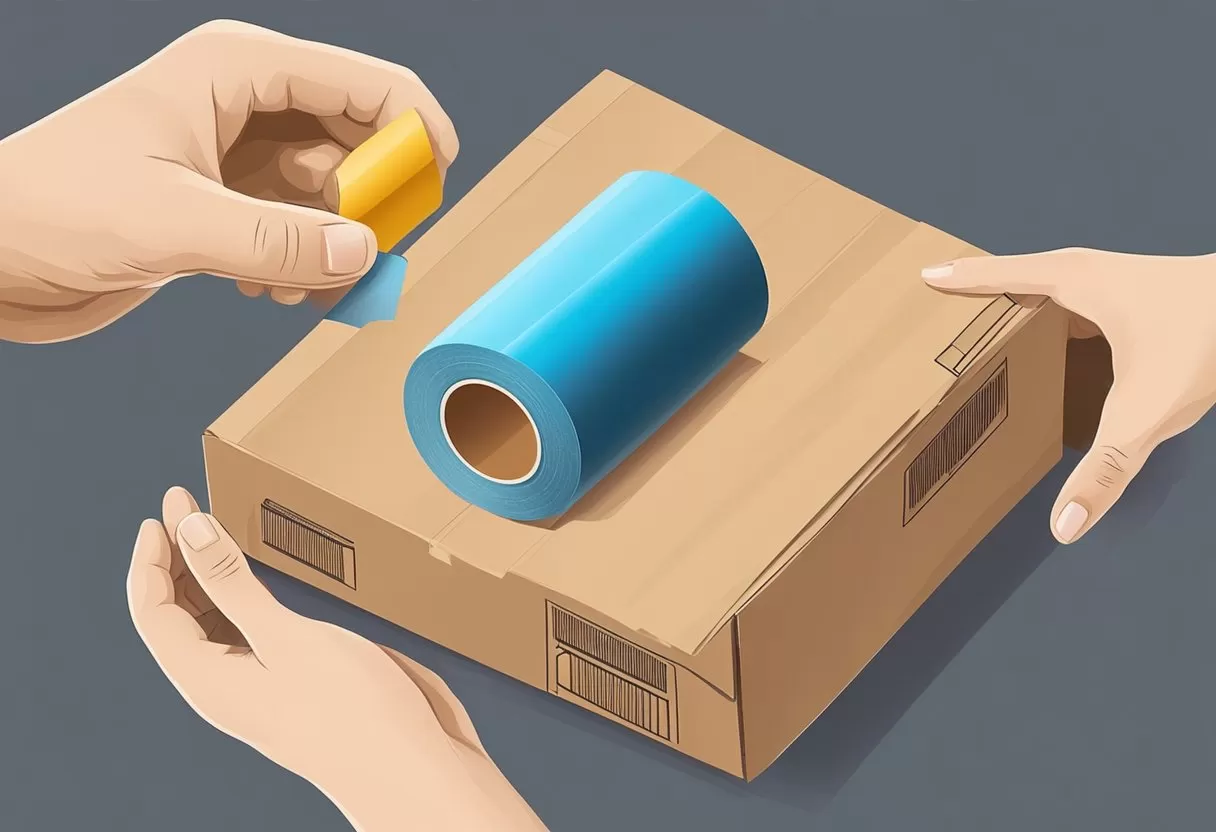
The Structural Composition of Sealing Kraft Tape
The performance of paper-based packaging tapes depends on their structural layers. Unlike plastic tapes that rely on simple film extrusion and adhesive coating, paper-based tapes are engineered through a multi-layered manufacturing process. The primary base consists of kraft paper, which is produced using the sulfate pulping process. This chemical method retains the natural strength of softwood fibers, yielding a substrate with high tensile resistance and tear strength.
Depending on the specific shipping application, the tape is manufactured in two primary configurations:
Non-Reinforced Kraft Tape: Composed of a single, thick layer of kraft paper coated with adhesive. It is suitable for light to medium-weight cartons where the primary requirements are clean aesthetics, easy manual tearing, and full recyclability.
Reinforced Kraft Tape: Features a multi-layered design. High-tensile fiberglass or polyester yarns are embedded in a diamond or cross-hatch pattern between two sheets of kraft paper, laminated together. This structure prevents tearing under high pressure, making it suitable for heavy-duty industrial shipping.
To assist procurement teams in matching tape specifications with shipping requirements, the table below outlines the mechanical differences between these configurations:
| Performance Attribute | Plain Non-Reinforced Paper Tape | Fiberglass Reinforced Paper Tape |
|---|---|---|
| Average Tensile Strength (MD) | 40 - 50 lbs/inch | 65 - 85 lbs/inch |
| Adhesive Compatibility | Starch-based / Solvent Rubber | Water-Activated Starch / Hot Melt |
| Tamper Evidence Rating | High (Fiber tear occurs) | Excellent (Requires cutting tools) |
| Primary Application | Under 25 lbs carton weight | Up to 100+ lbs carton weight |
| Recycling Compatibility | 100% Repulpable without separation | Requires mechanical separation of fibers |
Adhesive Systems and Bond Chemistry
The effectiveness of sealing kraft tape is defined by how it bonds with the corrugated surface. While pressure-sensitive adhesives sit on top of the paper fibers, water-activated and hot-melt adhesive systems operate on different physical principles to secure cartons.
Starch-Based Water-Activated Adhesives
Water-activated tape (WAT) utilizes a dry, starch-based adhesive layer, typically derived from corn or potato starch. When water is applied during dispensing, the starch gelatinizes, penetrating the porous fibers of the corrugated box. Within seconds, the adhesive dries and crystallizes, forming a physical fusion between the tape and the carton.
This process creates a molecular bond. If someone attempts to peel the tape, the corrugated paper fibers tear away, providing visible evidence of tampering. This makes unauthorized access to carton contents nearly impossible without leaving clear signs of entry.
Pressure-Sensitive Solvent and Hot-Melt Adhesives
For operations that do not use water-dispensing machinery, self-adhesive kraft tapes are used instead. These versions utilize pressure-sensitive adhesive (PSA) formulas, such as natural rubber, synthetic hot-melt, or solvent-based acrylics. These adhesives provide immediate tack upon contact and do not require moisture to activate.
The adhesive flows into the microscopic crevices of the kraft paper and the cardboard box under pressure. Solvent-based rubber adhesives offer reliable performance in extreme cold, such as refrigerated storage facilities or cold-weather transit routes, where water-activated systems or standard acrylic tapes might lose adhesion.
Mitigating Supply Chain Risks with Advanced Sealing
Industrial packaging must withstand various environmental and physical hazards during transit, including rough handling and extreme storage conditions. Traditional film-based packaging tape often stretches under continuous pressure, which can cause carton seams to split. This issue is mitigated by the physical characteristics of sealing kraft tape.
1. Structural Integrity Under Shear Stress
During palletization and transit, cartons are subjected to continuous vibration and stacking pressure. Standard plastic tape can stretch, allowing the carton flaps to shift and compromise the structure of the box. Paper-based tape does not stretch or slip under tension. This rigidity keeps the box square, reducing the risk of crushed corners and collapsed pallets during shipping.
2. Performance in Temperature Extremes
High-volume logistics chains often route cargo through climates with fluctuating temperature and humidity levels. Standard plastic tapes can lose their adhesive hold when exposed to high temperatures in shipping containers or humid warehouses. Starch-activated paper tape remains unaffected by ambient heat up to 140°F (60°C) and cold down to -20°F (-29°C), maintaining box security throughout the entire transit route.
3. Deterring Theft and Pilferage
Cargo theft is a persistent challenge in global distribution networks. Pressure-sensitive plastic tapes can be peeled back carefully, goods removed, and the tape reapplied without showing obvious signs of entry. Water-activated paper tape creates a permanent bond with the corrugated material. Any attempt to open the box tears the carton fibers, alerting receiving teams to inspect the contents immediately.
Operational Integration and Efficiency
Incorporating sealing kraft tape into packaging lines requires analyzing workflow speed, labor usage, and machinery compatibility. While hand-held tape dispensers are standard for plastic tape, paper-based tapes use different tools to improve packing speeds.
Manual vs. Electronic Water-Activated Dispensers
Low-to-medium volume operations (less than 50 cartons per day) can use manual pull-cut water-activated dispensers. These mechanical units apply a consistent layer of water to the adhesive backing and cut the tape to a pre-set length. For high-volume fulfillment centers, electronic dispensers are preferred. These machines feature programmable buttons to dispense exact lengths of heated water-activated tape, speeding up packaging workflows and reducing material waste.
Reduction of Material Waste
Packers using plastic tape often apply multiple layers over the center seam and cross-seams of a carton to secure it. This leads to high tape consumption per box. Conversely, a single strip of reinforced sealing kraft tape over the center seam is sufficient to secure cartons weighing up to 100 pounds. This reduces the total volume of packaging materials used and lowers the overall cost per carton seal.
Environmental Compliance and Circular Economy Integration
Environmental regulations and consumer preferences are pushing manufacturers to minimize non-recyclable materials in their supply chains. Traditional plastic tapes must be separated from cardboard boxes during the recycling process, which adds labor and operational costs for recycling centers.
Using non-reinforced sealing kraft tape simplifies this process because both the tape and the starch adhesive are fully biodegradable and repulpable. During the pulping stage of cardboard recycling, the paper tape dissolves along with the corrugated board, and the starch adhesive washes away without leaving sticky residues that can clog recycling machinery. For reinforced tapes, the fiberglass filaments are easily screened out during processing, keeping the underlying paper pulp clean and usable for new packaging materials.
Frequently Asked Questions regarding Industrial Sealing Kraft Tape
Q1: What is the primary difference between water-activated paper tape and self-adhesive paper tape?
A1: Water-activated paper tape utilizes a starch-based adhesive that requires water to cure, forming a permanent, tamper-evident molecular bond with corrugated cardboard. Self-adhesive paper tape utilizes a pressure-sensitive adhesive (such as natural rubber or hot melt) that requires only physical pressure to stick, making it suitable for manual packaging lines without dispensing machinery.
Q2: Can reinforced sealing kraft tape be recycled along with the cardboard box?
A2: Yes. During the standard recycling process, the kraft paper portion of the tape pulpable along with the carton fibers. The fiberglass or polyester reinforcement threads are separated during the hydrapulping screening process, allowing the cardboard fibers to be recycled without leaving adhesive contaminants in the recycled pulp.
Q3: How does sealing kraft tape perform in cold storage and freezing environments?
A3: Starch-based water-activated tapes perform well in cold storage environments once the bond has cured. For direct application in freezing temperatures, solvent-based rubber adhesive kraft tapes are recommended, as they maintain high tack and adhesion on cold, dusty cardboard surfaces where water-activated systems might freeze before bonding.
Q4: Is it necessary to use a specialized dispenser for water-activated tape?
A4: Yes, water-activated tape requires a dispensing system with built-in wetting brushes to apply a precise, uniform layer of moisture. Manual dispensers are suitable for low-volume lines, while electronic dispensers with heated water chambers are recommended for high-volume operations to ensure quick, consistent adhesive activation.
Q5: How does using paper tape compare to plastic tape in terms of overall packaging cost?
A5: Although paper tape has a higher initial cost per roll compared to standard polypropylene plastic tape, it requires only a single strip to seal a carton securely. Plastic tape often requires multiple overlapping strips. Additionally, the reduction in product damage, theft, and labor time typically offsets the initial material cost difference.
Collaborating with Youyi for Custom Industrial Packaging
Selecting the right packaging materials is an effective way to improve supply chain reliability and secure your valuable shipments. Youyi manufactures high-grade sealing kraft tape designed to meet demanding industrial performance specifications, helping to ensure your products arrive safely at their destinations.
Our team works closely with logistics and procurement departments to identify the right paper weight, reinforcement configuration, and adhesive system for your specific application. We offer custom printing services, allowing you to add brand logos, tracking barcodes, and tamper-evident warnings directly to your packaging materials.
If you are looking to improve your packaging efficiency, secure your shipments against transit damage, or transition to recyclable sealing options, contact our technical sales team today. We provide detailed material specifications, bulk pricing structures, and sample rolls for on-site testing in your production lines.