




High-volume manufacturing lines require packaging materials that can withstand rapid mechanical handling without tearing or deforming. Among the various polymer substrates utilized in modern packaging, bopp film has established itself as an industry standard. This material, which refers to biaxially oriented polypropylene, offers a unique balance of tensile strength, optical clarity, and chemical barrier properties. Industrial operations rely on these characteristics to maintain high throughput and minimize machinery downtime. Manufacturers such as Youyi produce specialized grades of this film to meet the stringent demands of global supply chains and automated processes.
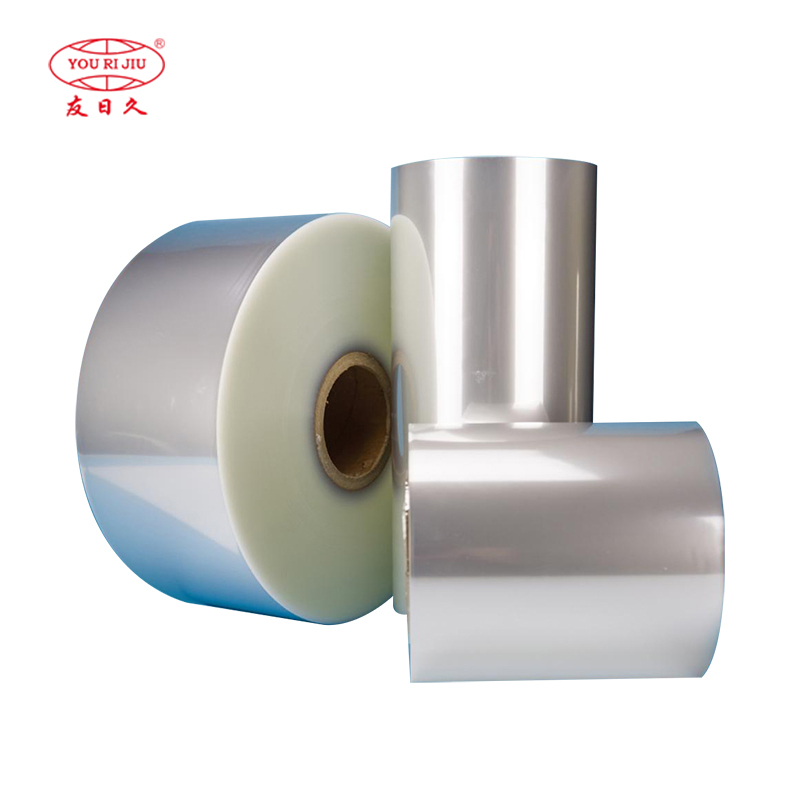
Understanding the Structural Attributes of BOPP Film
The performance of biaxially oriented polypropylene is directly determined by its molecular arrangement. During the manufacturing process, a polypropylene homopolymer or copolymer resin is extruded through a flat die to form a thick sheet. This cast sheet is then stretched in two perpendicular directions: the machine direction (MD) and the transverse direction (TD). This two-way stretching process aligns the polymer chains in a systematic grid-like pattern.
This molecular alignment significantly alters the physical properties of the film compared to unstretched cast polypropylene. The tensile strength increases, allowing the material to withstand significant pulling forces on automated wrapping machines. Along with structural strength, the stretching process reduces the thickness of the film while maintaining its integrity. This allows manufacturers to reduce material usage without sacrificing packaging performance.
Another consequence of biaxial orientation is the modification of optical properties. The alignment of the crystalline structures minimizes light scattering within the polymer matrix. As a result, the film achieves high transparency and surface gloss, which are necessary for retail packaging applications where product visibility is preferred. The orientation process also lowers the elongation capacity of the film, ensuring that it does not stretch excessively under tension during printing or coating operations.
Physical and Mechanical Properties Influencing Industrial Performance
To select the correct grade of bopp film for specific industrial applications, packaging engineers must analyze several physical parameters. These properties determine how the film behaves under thermal, mechanical, and environmental stress.
Tensile Strength and Modulus: High tensile strength in both MD and TD prevents the film from snapping during high-speed unwinding. A high modulus ensures that the film remains dimensionally stable under the tension applied by packaging machinery.
Coefficient of Friction (COF): The COF of the film surface determines how smoothly it slides over metal forming collars, sealing jaws, and rollers. Film with an incorrect COF can cause feeding issues, resulting in jams and machine stoppage. Slipping agents are often integrated into the formulation to achieve an optimal COF range, typically between 0.2 and 0.4.
Water Vapor Transmission Rate (WVTR): Polypropylene is naturally hydrophobic. The biaxial orientation process further packs the molecular chains, reducing the rate at which moisture can penetrate the film. This low WVTR is vital for extending the shelf life of dry foods and protecting moisture-sensitive industrial components.
Thermal Shrinkage: When exposed to heat during sealing or printing, films can shrink. High-quality films exhibit low thermal shrinkage, ensuring that packages retain their shape and seal integrity when subjected to heat-sealing jaws.
Haze and Gloss: Low haze values indicate superior clarity, which is crucial for overwrap applications. High gloss values enhance the visual appeal of printed graphics, helping products stand out on retail shelves.
Common Industry Challenges in Flexible Packaging and Tape Production
Industrial converters and packaging plants frequently encounter operational challenges that can be traced back to material inconsistencies. Understanding these challenges is key to preventing defects and maintaining high production yields.
One prevalent issue is thickness variation, often referred to as gauge banding. When a roll of film has inconsistent thickness across its width, winding tension becomes uneven. This uneven tension leads to loose lanes or "soft spots" within the roll, causing tracking errors on printing presses and coating lines. If the film wanders on the rollers, the printing registration shifts, leading to wasted material and misaligned graphics.
Another major challenge involves adhesive anchorage and ink adhesion. Polypropylene possesses a low surface energy, meaning adhesives and inks do not naturally wet or bond to its surface. To resolve this, the film must undergo surface modification, typically via corona treatment. However, the effect of corona treatment decays over time, especially when stored in humid or warm conditions. If the surface energy drops below 38 dynes/cm, solvent-based or acrylic adhesives may peel away from the film, leading to tape delamination or ink smudging during high-speed processing.
Furthermore, film breakage on automated packaging lines can stem from microscopic edge nicks. If the slitting process is not executed with precise, sharp blades, the edges of the film roll can develop micro-tears. Under high tension, these imperfections act as stress concentration points, causing the film to snap instantly. This halts the packaging line, requiring manual re-threading and causing significant operational delays.
How Youyi Addresses Manufacturing Inconsistencies
To mitigate these production challenges, Youyi utilizes advanced co-extrusion and slitting machinery designed to maintain tight control over physical tolerances. By monitoring polymer melt distribution in real-time, the extrusion lines produce a film with minimal gauge variation across the entire web width. This uniform thickness profile ensures consistent winding tension, eliminating tracking errors during subsequent printing and adhesive coating stages.
To address the decay of surface treatment, the manufacturing process incorporates highly controlled, in-line corona treatment systems. This ensures that the surface energy is elevated to the precise level required for secure adhesive bonding and ink adhesion. The treatment is stabilized to prevent rapid decay, allowing the film to be stored and transported over long distances without losing its converting properties.
In addition, precise slitting processes are used to ensure smooth, defect-free roll edges. By utilizing automated knife positioning and continuous blade maintenance, the occurrence of edge nicks is minimized. This clean edge cut allows converters to run the film at maximum speeds without the threat of unexpected web breaks, directly contributing to continuous production cycles.
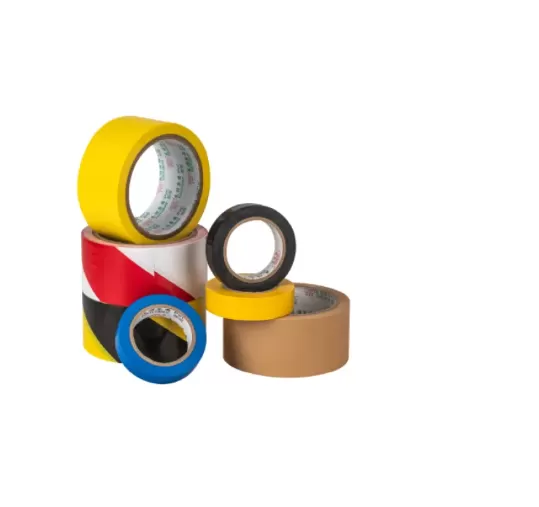
Primary Applications of BOPP Film in Global Industries
Due to its versatile physical characteristics, this material is utilized across diverse industrial sectors, each requiring specific functional properties.
Adhesive Tape Production
The manufacturing of carton sealing tapes is one of the largest consumers of this polymer substrate. The film acts as a strong backing material that can support heavy box loads. It must resist elongation under tension so that the tape maintains its seal during shipping. Acrylic, hot melt, or natural rubber adhesives are coated onto the treated side of the film, creating reliable sealing solutions for global logistics.
Food and Beverage Packaging
In the food sector, the barrier properties of the film are utilized to protect dry goods, snacks, and confectionery from moisture ingress. Co-extruded heat-sealable layers are often added to the film structure, allowing the material to be sealed directly on horizontal or vertical form-fill-seal (HFFS/VFFS) machinery. Metalized versions, where a microscopic layer of aluminum is deposited on the surface, are also used to block light and oxygen, further extending product freshness.
Labeling and Graphic Arts
Clear and white opaque films are widely used as face stocks for pressure-sensitive labels. Their resistance to water, oils, and chemicals makes them highly suitable for household goods, cosmetics, and beverage containers. The high dimensional stability of the film ensures that labels do not distort or bubble when exposed to moisture or temperature fluctuations during storage and transport.
Frequently Asked Questions
Q1: What is the typical shelf life of corona-treated bopp film?
A1: Under optimal storage conditions—specifically temperatures below 30°C and relative humidity below 60%—the effects of corona treatment can remain stable for three to six months. However, surface energy naturally decays over time. It is highly recommended to use the treated film within this timeframe to ensure optimal ink and adhesive adhesion during production.
Q2: Is bopp film recyclable in standard municipal waste streams?
A2: Yes, polypropylene is classified as a Category 5 recyclable plastic. It can be re-melted and pelletized for use in secondary industrial products. However, the presence of heavy adhesive coatings, multi-layer laminations, or metalized coatings can affect the ease of recycling, requiring specialized sorting and processing facilities.
Q3: How does the thickness of the film affect its barrier performance?
A3: Generally, a thicker film provides a longer path for water vapor molecules to diffuse through the polymer structure, which decreases the water vapor transmission rate (WVTR). While doubling the thickness does not cut transmission exactly in half due to other structural factors, it significantly improves moisture barrier performance for sensitive packaging applications.
Q4: Why does static electricity accumulate on the film during unwinding?
A4: Polypropylene is an excellent electrical insulator. When the film is unwound at high speeds, friction between the film layers and the metal guide rollers generates static charges. This static can attract dust particles, affect printing quality, or cause minor shocks to operators. To prevent this, manufacturing and converting equipment should be fitted with static elimination bars.
Q5: What is the difference between heat-sealable and non-heat-sealable films?
A5: Non-heat-sealable films consist of a uniform polypropylene homopolymer layer and do not melt at temperatures suitable for packaging machines without deforming the entire film. Heat-sealable films incorporate a thin, co-extruded layer of a copolymer (such as ethylene-propylene) on one or both sides. This copolymer has a lower melting point, allowing it to fuse under heat and pressure while the core homopolymer layer remains intact and rigid.
Industrial Inquiries and Custom Specifications
Selecting the appropriate film grade is a process that depends on your machinery speed, adhesive systems, and environmental conditions. Youyi provides a comprehensive range of high-performance polymer substrates designed to meet specific industrial requirements, including customized surface treatments, specific slip levels, and varied thickness profiles.
If you are experiencing issues with web breaks, poor adhesive wet-out, or inconsistent roll tension on your processing lines, our engineering team can assist. Please submit your detailed operational parameters and specification requirements to our B2B team. Contact Youyi today to receive technical data sheets, request samples for trial runs, or request a quotation for your production facility.