



Thermal management, moisture control, and structural integrity are fundamental requirements in modern industrial engineering. To meet these demands, engineers and contractors rely on specialized materials capable of withstanding environmental stresses. Among these solutions, aluminium tape serves as a highly versatile bonding and sealing medium. Designed to provide both structural sealing and reflective barrier properties, this specialized material plays an indispensable role in maintaining the efficiency of thermal systems and the integrity of moisture-sensitive installations.
As a global manufacturer and supplier of adhesive solutions, Youyi has spent decades developing high-performance adhesive systems tailored for demanding industrial environments. Understanding the physical and chemical properties of these tapes is necessary for selecting the appropriate specification for your project. This analysis examines the engineering characteristics, selection metrics, and operational challenges associated with utilizing metal foil adhesives in commercial applications.
The Mechanical and Chemical Composition of Foil Adhesives
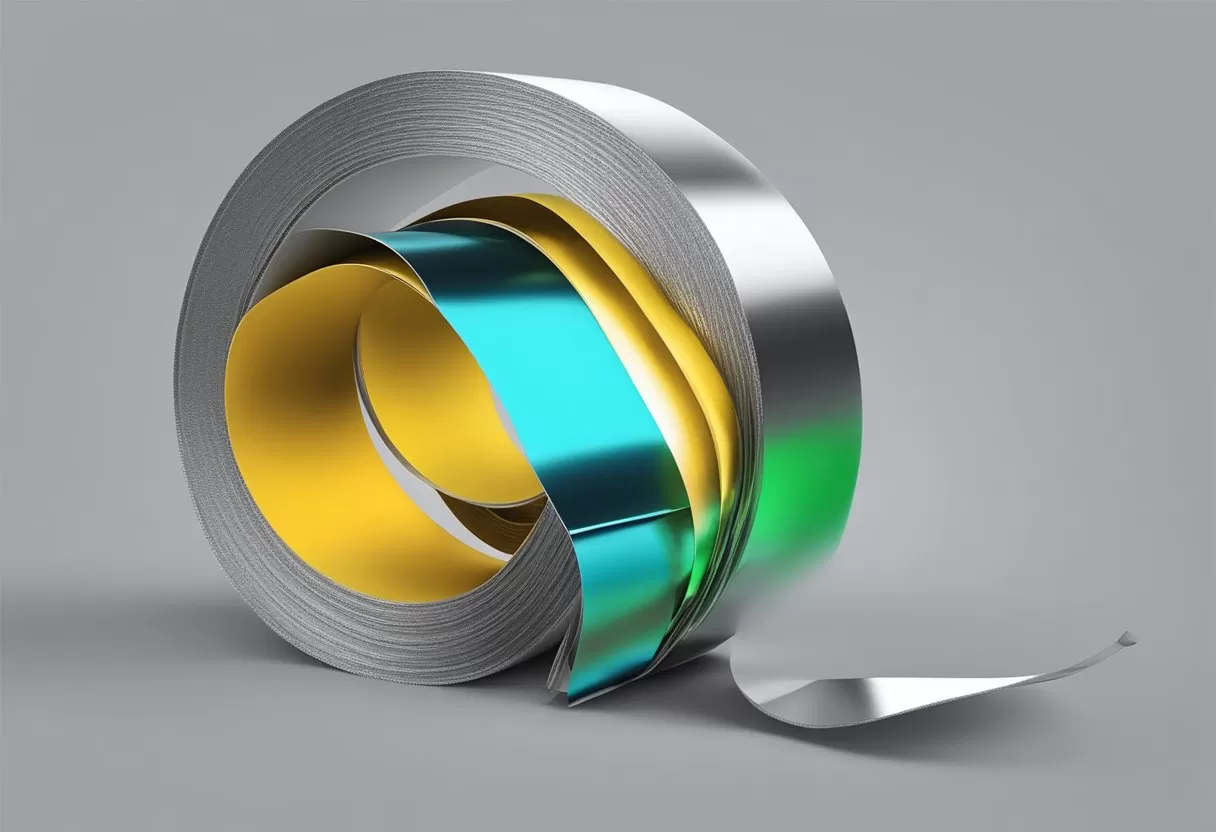
The performance of any adhesive system depends on the synergy between its carrier material, the adhesive formulation, and the release liner. For aluminium tape, each component must be manufactured to precise tolerances to ensure reliability under extreme temperature fluctuations and mechanical stress.
1. The Metal Foil Carrier
The backing of the tape is typically composed of dead-soft aluminium. This specific grade of metal is chosen for its high conformability, allowing it to adapt to irregular surfaces, corrugated ducts, and complex pipe joints. Foil thicknesses generally range from 30 microns to over 100 microns depending on the mechanical demands of the installation. Thicker foils offer superior tensile strength and puncture resistance, whereas thinner foils provide greater flexibility and ease of application on curved surfaces.
2. Adhesive Chemistry
The choice of adhesive determines the operational temperature range and environmental resistance of the tape. Two main types of adhesives are utilized in industrial foil tapes:
Solvent-Based Acrylic Adhesives: These adhesives are formulated for long-term durability and resistance to environmental factors. They exhibit excellent resistance to ultraviolet (UV) radiation, weathering, and extreme temperatures, typically maintaining adhesion from -30°C to 120°C. Acrylic systems undergo a curing process that strengthens the bond over time, making them ideal for permanent HVAC installations and outdoor exposure.
Synthetic Rubber Adhesives: Known for their high initial tack, rubber-based systems provide rapid bonding to a variety of substrates, including low-energy surfaces. While they perform exceptionally well in ambient temperature environments, their thermal threshold is lower than that of acrylic formulations, usually capped around 70°C. These are preferred for quick sealing tasks in controlled environments where rapid assembly is required.
Selecting the correct combination of foil thickness and adhesive chemistry is the first step in ensuring the longevity of an installation. The following table highlights the standard physical properties of typical industrial-grade foil tapes manufactured by Youyi:
| Property | Standard Specification (Light Duty) | High-Performance Specification (Heavy Duty) | Test Method Reference |
|---|---|---|---|
| Foil Thickness | 30 Microns (±2) | 50 to 75 Microns (±3) | ASTM D-3652 |
| Total Thickness (with Adhesive) | 65 Microns (±5) | 90 to 115 Microns (±5) | ASTM D-3652 |
| Peel Adhesion (to Steel) | ≥ 12 N/25mm | ≥ 18 N/25mm | ASTM D-3330 |
| Tensile Strength | ≥ 40 N/25mm | ≥ 85 N/25mm | ASTM D-3759 |
| Temperature Limits | -20°C to +80°C | -35°C to +120°C | Internal Laboratory Oven Test |
Industrial Application Scenarios
The unique physical characteristics of aluminium tape make it suitable for a diverse range of industries. Each sector leverages specific properties of the tape, such as thermal reflectivity, moisture impermeability, or electrical conductivity.
Heating, Ventilation, and Air Conditioning (HVAC)
In commercial HVAC systems, maintaining duct integrity is necessary to prevent air leakage and ensure energy efficiency. Foil tape is used to seal the joints of rigid sheet metal ducts and fibrous glass duct boards. Because HVAC systems experience constant thermal cycling, the tape must resist expansion and contraction without cracking. The moisture-vapor barrier properties of the foil prevent condensation from forming on cold-air supply lines, protecting surrounding ceiling tiles and insulation from water damage.
Refrigeration and Appliance Manufacturing
In the production of refrigerators, freezers, and cooling units, thermal management is key. Manufacturers use highly reflective foil tapes to secure evaporator coils to the outer walls of the appliance cabinets. The high thermal conductivity of the aluminium helps distribute temperature evenly across the cabinet surface, optimizing cooling efficiency and reducing energy consumption. Additionally, the tape acts as a barrier against polyurethane foam during the injection molding process, preventing the insulating foam from escaping.
Construction and Building Envelope Insulation
Modern building codes demand rigorous air tightness and moisture barrier continuity. When installing foil-faced insulation panels, polyisocyanurate (PIR) boards, or rockwool blankets, sealing the joints with a matching foil tape is necessary to create a continuous vapor barrier. This prevents moisture-laden indoor air from migrating into the wall cavity, where it could condense on structural steel or timber studs, leading to structural rot and mold development.
EMI and RFI Shielding in Electronics
Electro-magnetic interference (EMI) and radio-frequency interference (RFI) can disrupt sensitive electronic equipment, particularly in industrial automation and telecommunications. Specialized variations of this tape, often incorporating conductive adhesives, are applied to electronic enclosures, cable harnesses, and control panels. The metal foil reflects or absorbs electromagnetic radiation, ensuring that sensitive components operate without signal degradation from nearby machinery.
Addressing Industry Pain Points: Common Failures and Solutions
Despite the high-quality engineering behind modern adhesives, improper selection or poor application techniques can lead to field failures. Understanding these issues is necessary for procurement managers and site engineers who must ensure long-term reliability.
Adhesive Failure Due to Surface Contamination
One of the most frequent issues encountered during installation is adhesive de-bonding. This is rarely a failure of the tape itself; rather, it is often caused by invisible contaminants on the substrate. Dust, grease, moisture, and manufacturing oils prevent the adhesive polymer chains from establishing intimate contact with the surface. To resolve this, installation protocols must include a thorough cleaning step, using a solvent such as isopropyl alcohol on a lint-free cloth, followed by adequate drying time before the tape is applied.
Delamination Caused by Extreme Thermal Fluctuations
When exposed to extreme seasonal temperatures, low-grade rubber adhesives can dry out, oxidize, and lose their cohesive strength. This leads to the foil backing peeling away from the ductwork or pipe insulation. In environments subject to freezing temperatures or high heat, specifying a solvent-based acrylic adhesive is necessary. Youyi engineers its acrylic formulations to retain flexibility at low temperatures and resist shear stress at elevated temperatures, preventing delamination over multi-year operational cycles.
Wrinkling and Channeling During Application
During manual application, especially on large-diameter pipes or curved fittings, the foil can easily wrinkle. These wrinkles form microscopic channels that allow air and moisture to bypass the seal. Once water vapor penetrates these channels, it condenses under the tape, eventually leading to corrosion under insulation (CUI). Utilizing a plastic squeegee or squeegee roller during application ensures uniform pressure across the entire surface of the tape, smoothing out imperfections and activating the pressure-sensitive adhesive for a hermetic seal.
Procurement Considerations for B2B Buyers
For large-scale industrial projects, procuring the correct adhesive materials involves evaluating more than just the unit price. Buyers must assess the chemical compatibility of the materials, shelf-life limitations, and certification standards required by local building authorities.
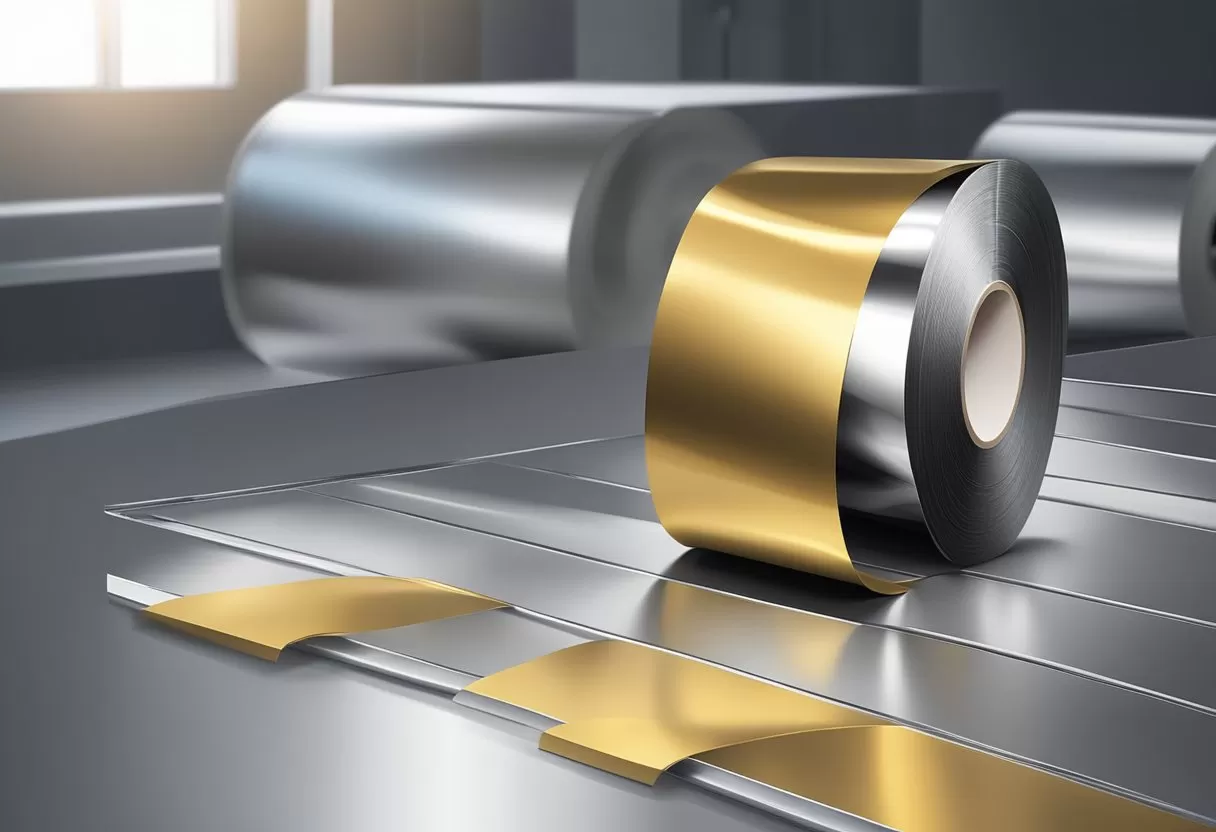
When ordering from Youyi, clients can request customized roll widths and lengths to minimize material waste on-site. For instance, standard 50mm rolls are suitable for linear joint sealing, but wider 75mm or 100mm rolls are often required for sealing complex geometric transitions or structural penetrations. Furthermore, purchasing tape with the correct release liner (such as silicone-coated paper or filmic liners) ensures smooth dispensing on automated application lines or during cold-weather manual installations.
Quality assurance is another critical factor. Compliance with standards such as UL 723 (Test for Surface Burning Characteristics of Building Materials) or British Standards (such as BS 476 for fire tests) is often mandatory for commercial construction. Youyi ensures that its industrial-grade tapes undergo rigorous testing so that they meet or exceed these fire safety and flame spread indexes, protecting building occupants and reducing liability for contractors.
Frequently Asked Questions
Q1: What is the primary difference between aluminium tape and standard duct tape?
A1: Standard duct tape relies on a polyethylene-coated cloth backing and a rubber adhesive, which degrades rapidly under heat, UV exposure, and moisture. In contrast, aluminium tape uses a solid metal foil backing and highly stable acrylic adhesives, offering superior thermal conductivity, fire resistance, UV stability, and a complete vapor barrier that does not break down over time.
Q2: Can this tape be applied in sub-zero outdoor temperatures?
A2: Yes, provided the correct adhesive formulation is selected. While standard adhesives stiffen in cold weather, Youyi manufactures cold-weather acrylic tape variants designed to form strong bonds at temperatures as low as -10°C, provided the application surface is clean and free of frost or ice.
Q3: How does foil thickness impact the performance of the seal?
A3: Foil thickness directly affects tensile strength, puncture resistance, and conformability. A thin foil (30 microns) is highly flexible and conforms easily to irregular profiles, making it suitable for standard wrapping. A thicker foil (50 to 75 microns) provides the mechanical strength needed to resist tears and punctures in high-velocity air ducts or high-traffic industrial environments.
Q4: Why is pressure application emphasized so heavily during installation?
A4: These tapes utilize pressure-sensitive adhesives (PSA). The adhesive requires physical pressure to flow into the microscopic valleys of the substrate surface. Simply pressing the tape down with a bare hand is often insufficient; using a squeegee tool ensures a continuous, high-strength bond and prevents the formation of air pockets.
Q5: What is the typical shelf life of these industrial tape rolls?
A5: Under recommended storage conditions—specifically 21°C (70°F) and 50% relative humidity, away from direct sunlight—the shelf life of industrial-grade tape is typically 12 to 24 months. Storing the rolls in their original packaging prevents dust contamination on the exposed adhesive edges.
Industrial Sourcing and Inquiry Solutions
Selecting the precise adhesive specification is essential for minimizing system downtime and preventing costly field failures in mechanical systems. For heavy-duty industrial projects, customized adhesive coat weights, specific foil thicknesses, and tailored roll dimensions are often necessary to meet engineering requirements. Youyi offers comprehensive manufacturing and slitting capabilities to supply material configurations designed for your exact application parameters.
If you are managing a large-scale construction project, an HVAC manufacturing line, or a distribution network requiring high-performance bonding solutions, please contact our technical sales division. Provide your project specifications, temperature requirements, and volume expectations, and our engineering team will assist you in selecting the correct formulation. Submit your inquiry today to receive detailed technical data sheets, product samples, and direct manufacturer pricing for your upcoming bulk procurement needs.