




In the high-stakes sector of commercial construction and interior finishing, the stability of a wall system often hinges on the performance of its reinforcement components. Fiberglass mesh tape has become a standard due to its high tensile strength and resistance to mold. However, structural shifts, improper application, or environmental fluctuations can lead to joint failure. Repairing fiberglass mesh tape is not merely a cosmetic fix; it involves restoring the load-bearing capacity of the joint to prevent recurring cracks and maintain the aesthetic value of the project.
Youyi understands that B2B procurement managers and site supervisors require more than just a product; they need a comprehensive understanding of how these materials interact within complex building envelopes. Whether dealing with a simple hairline fracture or a widespread delamination issue, the process of repairing fiberglass mesh tape demands a methodical approach rooted in material science and precise application standards.
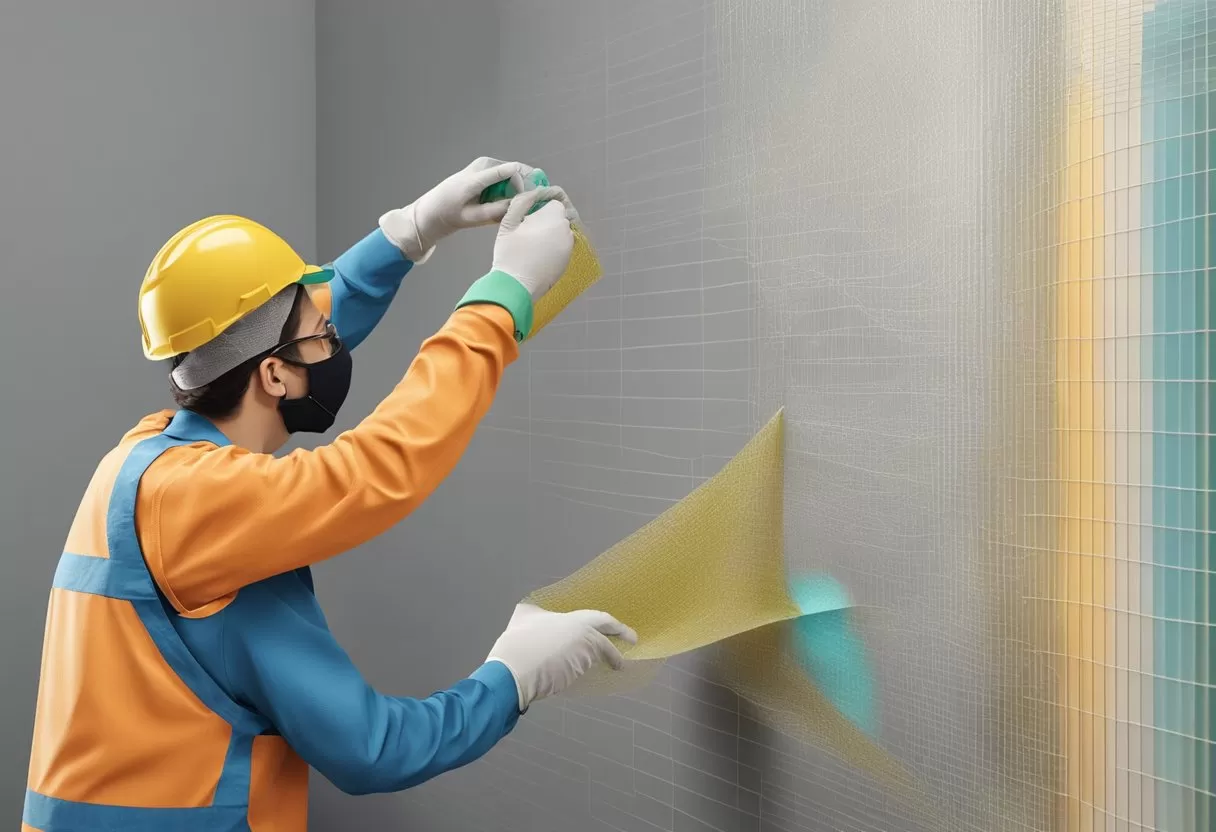
The Material Science of Fiberglass Reinforcement
To effectively manage the process of repairing fiberglass mesh tape, professionals must first identify the composition of the material. Most high-quality mesh tapes, such as those manufactured by Youyi, utilize E-glass or C-glass fibers woven into a stable grid pattern. These fibers are then coated with an alkali-resistant SBR (Styrene-Butadiene Rubber) latex or an acrylic-based adhesive. This coating protects the glass fibers from the high pH levels found in many joint compounds and cementitious mortars.
When a joint fails, it is often because the bond between the mesh and the substrate has been compromised. This could be due to "dry-out," where the moisture from the joint compound is absorbed too quickly by the drywall paper, preventing the compound from properly encapsulating the mesh. In such scenarios, the task of repairing fiberglass mesh tape involves removing the loose sections and reapplying a reinforcement layer that can withstand the shear forces acting upon the wall.
Common Causes of Joint Failure in Large-Scale Projects
Substrate Movement: Variations in temperature and humidity cause the building frame to expand and contract, placing stress on the joints.
Improper Compound Choice: Using a lightweight drying-type compound for the first coat over mesh tape often leads to cracking, as these compounds lack the structural strength of setting-type muds.
Poor Surface Preparation: Dust, debris, or moisture on the drywall surface inhibits the pressure-sensitive adhesive (PSA) of the tape.
Inadequate Mesh Density: Using a low-grammage mesh for high-stress areas like ceilings or door headers.
Step-by-Step Methodology for Repairing Fiberglass Mesh Tape
The restoration of a damaged drywall joint requires a multi-phase approach. The objective is to create a seamless transition that is visually undetectable and structurally sound. Professionals should follow these technical stages to ensure a long-lasting result.
Surface Assessment and Preparation
Before initiating the process of repairing fiberglass mesh tape, the affected area must be cleared of all loose debris. Use a utility knife to undercut any bubbling or frayed mesh. If the tape has completely detached, it is advisable to remove the entire section rather than attempting to patch over it. The substrate should be sanded lightly to remove old compound residue, providing a clean surface for the new adhesive layer to grip.
Application of Setting-Type Compounds
A frequent error in the field is using standard all-purpose mud for the initial repair. When repairing fiberglass mesh tape, a chemically setting compound (often referred to as "hot mud") is preferred. This material undergoes a chemical reaction to harden, resulting in a much stronger bond and lower shrinkage rates compared to air-dry compounds. This strength is vital because mesh tape relies on the compound to provide the rigidity that the mesh itself lacks in its flexible state.
Integration of New Mesh Reinforcement
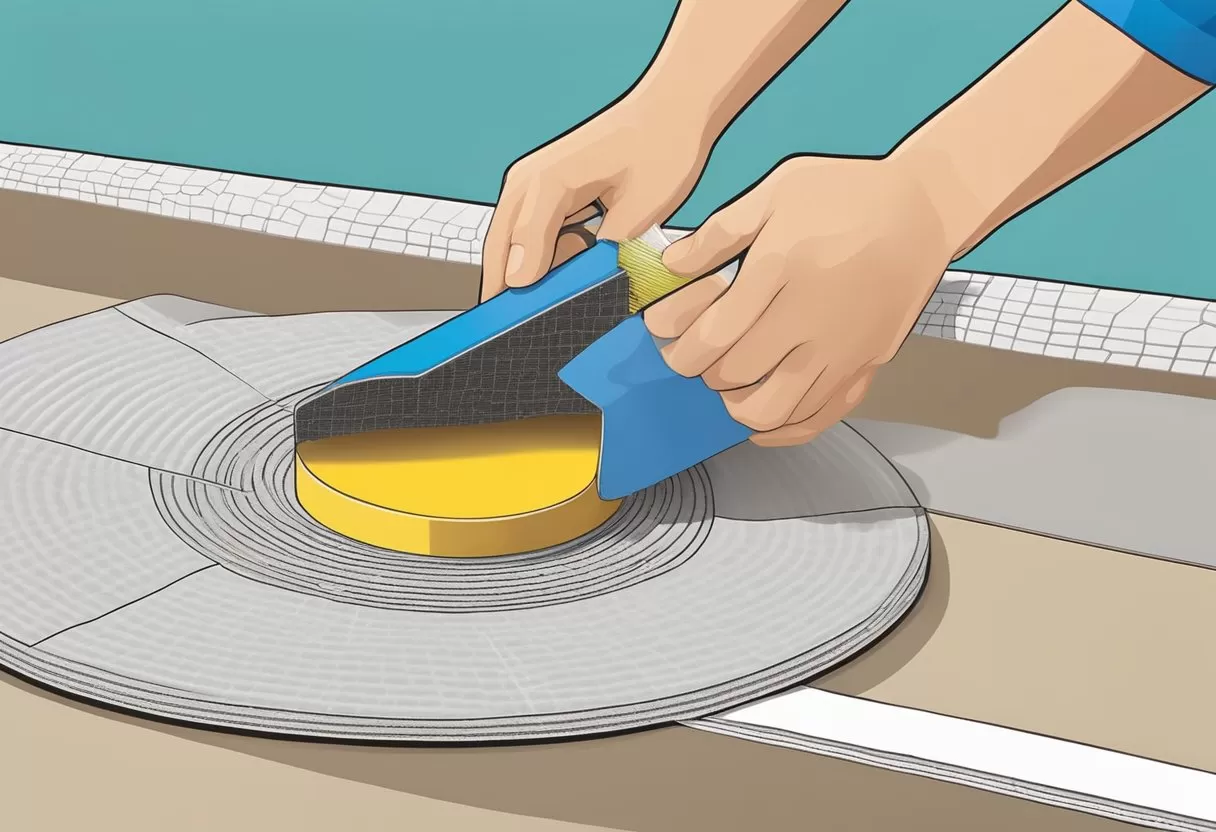
Once the initial layer of compound is applied over the crack or gap, a new section of mesh tape is embedded. For high-performance requirements, Youyi recommends a double-layer technique in high-stress zones. The new mesh should overlap the solid, undamaged areas by at least two inches on all sides. This overlap ensures that the load is distributed across a wider surface area, reducing the likelihood of the crack reappearing in the same location.
Advanced Troubleshooting: Bubbling and Delamination
Bubbling is perhaps the most frequent issue encountered when repairing fiberglass mesh tape. This usually occurs when air is trapped behind the mesh or when the adhesive backing fails to stick to the drywall. If a bubble is detected after the first coat of mud has dried, it must be cut out entirely. Attempting to "mud over" a bubble will only lead to a larger failure later in the project timeline.
In humid environments, the moisture-resistant properties of the mesh coating are put to the test. If the coating is of inferior quality, the glass fibers can become brittle. Youyi ensures that the chemical treatment of the glass yarn provides maximum protection against environmental degradation, making the eventual task of repairing fiberglass mesh tape much easier if structural movement occurs years after installation.
B2B Considerations: Bulk Procurement and Quality Control
For B2B buyers and wholesalers, the focus is on reducing the frequency of repairs. High-quality manufacturing standards minimize the need for repairing fiberglass mesh tape by ensuring consistent adhesive tack and weave stability. When sourcing materials, technical specifications such as tensile strength (measured in N/50mm) and mesh count (such as 8x8 or 9x9 per inch) are the primary indicators of field performance.
Youyi focuses on these metrics to provide distributors with a product that reduces labor costs for their end-users. A mesh tape that stays in place during the first coat and interacts perfectly with setting compounds significantly reduces the man-hours spent on rework and warranty repairs.
The Importance of Weave Stability
A common pain point in the industry is "scrim distortion," where the mesh grid becomes misaligned during application. This distortion weakens the reinforcement. Professionals involved in repairing fiberglass mesh tape often look for products with a leno weave, which locks the yarns in place. This stability is a hallmark of high-end production, ensuring that even when the tape is pulled or repositioned, the structural integrity of the grid remains intact.
The Role of Environmental Conditions in Joint Longevity
Temperature and humidity play a significant role in the longevity of any drywall installation. In regions with high humidity, the drying time of joint compounds is extended, which can weaken the bond of the tape if the area is not properly ventilated. Conversely, in extremely dry conditions, the compound may lose moisture too fast, leading to "map cracking" within the mud itself. Understanding these variables is part of the professional expertise required for repairing fiberglass mesh tape effectively.
Site managers should monitor the ambient conditions and adjust their compound mixing ratios accordingly. In some cases, pre-treating the drywall edges with a primer can improve the adhesion of the mesh tape, providing an extra layer of security against future delamination.
Frequently Asked Questions
Q1: Can I use repairing fiberglass mesh tape techniques on exterior walls?
A1: Yes, but you must ensure the mesh is specifically rated for exterior use, typically with a heavier alkali-resistant coating. For Exterior Insulation and Finish Systems (EIFS), the mesh is usually embedded in a base coat rather than drywall compound.
Q2: Is mesh tape better than paper tape for repairing cracks?
A2: Mesh tape is generally preferred for repairs because it is self-adhesive and easier to apply over existing surfaces. However, it must be used with a setting-type compound to achieve the same strength as paper tape.
Q3: What should I do if the mesh tape keeps peeling off before I apply the mud?
A3: This indicates poor surface adhesion. Ensure the wall is free of dust. If the problem persists, the tape may have been stored in an area with high heat, which can degrade the adhesive. Using a high-tack product from Youyi can resolve this issue.
Q4: How many coats of compound are needed when repairing fiberglass mesh tape?
A4: Typically, three coats are required: the first to embed the tape (setting-type), the second to level the joint, and the third to feather the edges for a smooth finish.
Q5: Does the color of the fiberglass mesh tape affect its performance?
A5: No, the color (white, blue, or yellow) is usually just a manufacturer's preference or used for visibility. The technical specifications of the weave and the chemical coating are what determine the performance during repair.
Professional Inquiry and Global Sourcing
For organizations looking to streamline their construction supply chain and reduce the overhead associated with joint failures, selecting a reliable manufacturing partner is the first step. High-performance reinforcement materials are a requirement for modern infrastructure projects that demand durability and precision.
If you are interested in wholesale procurement, OEM manufacturing, or technical specifications for specialized mesh products, Youyi is prepared to provide tailored solutions for your B2B requirements. Our engineering team can assist in selecting the correct mesh density and adhesive strength for your specific market needs.
Please contact our sales department today to request a quote or to receive a comprehensive technical catalog of our fiberglass reinforcement solutions. We look forward to supporting your next project with industry-standard materials.