




In modern warehousing and distribution networks, choosing the correct carton sealing material directly impacts operational efficiency and product safety. Cardboard cartons travel through complex transit paths, enduring mechanical vibrations, humidity fluctuations, and physical compression. While standard synthetic adhesive tapes are widely used, they often fail when applied to high-recycled-content fiberboard or dusty surfaces. This is where rubber kraft tape offers a reliable, robust solution for heavy-duty sealing applications.
Youyi, an experienced manufacturer of industrial adhesive tapes, produces high-performance rubber kraft tape designed to meet these challenges. By combining a durable paper carrier with a high-tack natural rubber adhesive, this packaging material provides immediate, long-lasting containment. This comprehensive analysis examines the material science behind pressure-sensitive paper tapes, their operational benefits, and how they resolve common shipping failures across various industries.
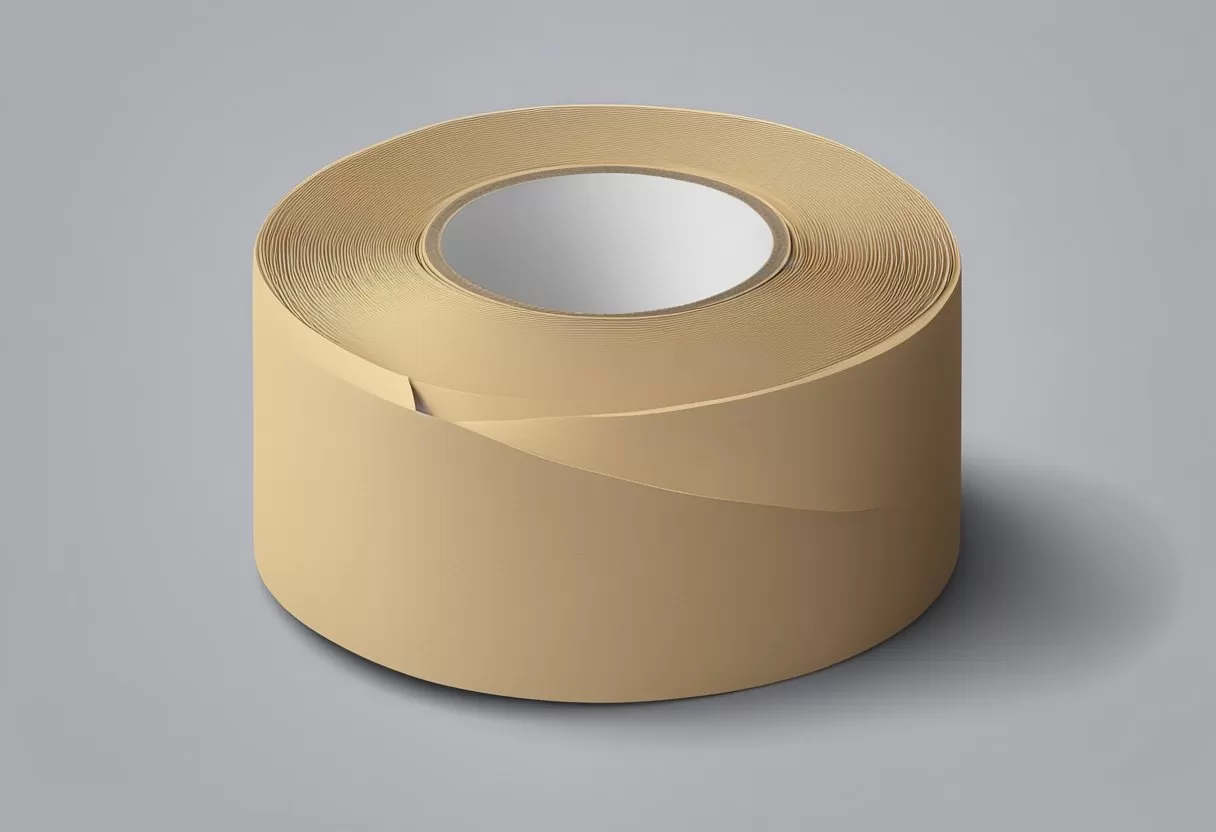
Material Composition of Rubber Kraft Tape
Understanding the performance of this tape requires an examination of its structural layers. Unlike standard plastic films, paper-backed tapes rely on a multi-component structure to balance tensile strength with flexibility.
The Kraft Paper Backing
The carrier of the tape consists of high-density, unbleached kraft paper, typically sourced from wood pulp. This paper undergoes a specialized saturation process during manufacturing to improve its moisture resistance and internal fiber strength. The backing must be strong enough to resist split forces during carton transit, yet flexible enough to conform to irregular cardboard surfaces and corner folds. It is also treated with a release coat on the non-adhesive side, allowing smooth, low-noise unwinding from the roll during manual or automated application.
The Natural Rubber Adhesive System
The adhesive layer is formulated from solvent-based natural rubber, known for its highly aggressive instant grab. Natural rubber molecules have long polymer chains that remain highly flexible even at low temperatures. This adhesive system does not require water activation, separating it from gummed paper tapes. Upon application of light pressure, the adhesive immediately flows into the microscopic pores of the cardboard fibers, creating a strong mechanical bond. This rapid wet-out capacity makes it highly effective on challenging substrates where other adhesives fail to establish a reliable grip.
Comparing Adhesive Chemistry in Packaging Operations
To evaluate why rubber-based paper tape is preferred for specific heavy-duty tasks, it is helpful to compare it to alternative adhesive classes, such as acrylic and hot melt (synthetic elastomer) systems.
Acrylic Adhesives (Water or Solvent-Based): Acrylic tapes are cost-effective and offer excellent resistance to UV light and aging. However, they require a specific dwell time to reach maximum bond strength. On dusty cardboard or under cold warehouse conditions, acrylic adhesives often fail to wet out properly, resulting in flagging or tape lifting.
Hot Melt Adhesives (Synthetic Block Copolymers): Hot melt systems provide high initial tack and work well on automated lines. Their primary drawback is temperature sensitivity. In high-heat shipping containers or cold-storage environments, synthetic hot melts can soften or become brittle, leading to structural adhesive failure.
Natural Rubber Adhesives: This system combines the rapid stick of hot melt with the broad temperature stability of acrylics. It adheres immediately upon contact, tolerates moderate surface dust, and maintains its shear holding power across a wide temperature spectrum.
Resolving Common Warehouse Sealing Failures
Logistics managers often encounter tape-related failures that lead to open cartons, product damage, or theft. Utilizing rubber kraft tape directly addresses these operational vulnerabilities through specific mechanical properties.
Preventing Flap Pop-Back
Heavy-duty double-wall corrugated boxes possess high memory, meaning the cardboard flaps naturally attempt to spring back to their open position. If a tape lacks sufficient shear resistance, this continuous upward tension will pull the adhesive away from the box side. The high cohesive strength of the natural rubber formulation resists this constant shear stress, keeping the box flaps securely closed during long transit periods.
Managing Dusty Environments
Cardboard storage and slotting areas generate significant amounts of paper dust. When standard tapes are applied, this dust coats the adhesive face, neutralizing its sticky properties. Natural rubber adhesives are applied with a higher coating weight (thickness) than standard packaging tapes. This thicker adhesive layer absorbs micro-dust particles, allowing the bulk of the adhesive compound to penetrate past the dust layer and bond with the solid paper fibers beneath.
Mitigating Transit Theft and Tampering
Security is a key concern during cross-border shipping. Unlike plastic tape, which can sometimes be peeled off clean and reapplied, high-quality paper-backed rubber tape forms a deep bond with the cardboard. Attempting to remove the tape results in visible fiber tear, destroying the carton surface and immediately indicating that the package has been compromised.
Performance Metrics and Specifications
When selecting packaging materials for industrial use, quality control departments must evaluate specific physical testing parameters. Youyi manufactures tapes according to standardized testing protocols to ensure consistent performance.
Tensile Strength: This measure determines the force required to break the tape. Industrial grades typically range from 35 to 50 lbs per inch of width, ensuring the tape can withstand drop impacts and shifting loads.
180-Degree Peel Adhesion: This metric quantifies the force needed to peel the tape from a stainless steel test plate or standard fiberboard. High-quality rubber-based paper tapes show aggressive peel values, ensuring they cannot be easily pulled away once applied.
Shear Holding Power: Tested by hanging a static weight from a taped joint, this test measures the adhesive's resistance to continuous sliding forces. High shear values prevent tape creep under the constant tension of stuffed cartons.
Application Temperature Range: Natural rubber formulations perform reliably in temperatures ranging from -15°C to 65°C, making them suitable for non-climate-controlled transport vehicles and cold-chain warehouses.
Industrial Applications and Use Cases
Due to its physical properties, rubber kraft tape is widely deployed in sectors where standard film tapes do not meet security or durability requirements.
Heavy Machinery and Metal Components
Industrial spare parts, cast iron components, and automotive hardware are highly heavy and put extreme pressure on carton seams. Plastic tapes can stretch and deform under these loads. The low-elongation characteristics of paper tape ensure that the carton structure remains rigid, preventing the sides from bulging or splitting during handling.
Cold Storage and Food Export Logistics
Packaging frozen foods, seafood, or agricultural products involves high humidity and cold temperatures. Standard packaging tapes often lose their tack in these environments, resulting in seal failures. The natural rubber adhesive used by Youyi is formulated to maintain its elasticity and bonding power in cold, damp rooms, securing the boxes throughout the cold chain.
E-commerce Fulfillment and High-Volume Packing
In high-speed fulfillment centers, packers require a tape that seals instantly without needing excessive pressure or rub-down. The immediate tack of pressure-sensitive paper tape speeds up packing lines. Its easy-tear property allows manual packers to work efficiently without requiring safety blades or heavy dispensers.
Integrating the Tape into Your Packaging Workflow
Implementing rubber kraft tape into your operations requires minimal adjustment to existing packaging setups. It can be used with standard hand-held tape dispensers designed for paper tapes, or integrated into semi-automated carton sealing machinery.
To maximize the performance of the adhesive, operators should follow these simple practices:
Apply the tape to clean, dry surfaces whenever possible, pressing firmly along the entire length of the strip to ensure full adhesive contact.
Store tape rolls in their original packaging, away from direct sunlight and extreme humidity, to preserve the shelf life of the natural rubber adhesive.
Choose the appropriate tape width (typically 48mm or 72mm) based on the size and weight of the cartons being processed.
Quality Control Practices at Youyi
Youyi maintains rigorous manufacturing protocols to ensure that every production run of paper packaging tape meets industrial standards. From sourcing high-purity natural rubber to monitoring the dry-coating weight on advanced manufacturing lines, quality control is central to our operations. We conduct batch-testing for tensile strength, aging resistance, and immediate tack, providing our global partners with reliable materials that perform consistently under demanding transit conditions.
Frequently Asked Questions
Q1: Does rubber kraft tape require water to activate the adhesive?
A1: No, this tape features a pressure-sensitive natural rubber adhesive. Unlike water-activated gummed paper tape, it does not require water, sponges, or specialized dispensing machines. It is ready to stick immediately upon contact with the box surface.
Q2: Can this tape be torn by hand, or do packers need dispensers with cutters?
A2: The high-density paper backing is designed to be easily torn by hand across its width, making it highly convenient for manual packing stations. However, it can also be used in standard hand dispensers or automated carton sealers for high-speed lines.
Q3: How does temperature affect the performance of rubber-based paper tape?
A3: Natural rubber adhesives perform exceptionally well in extreme temperatures compared to hot melt or acrylic tapes. It retains its flexibility and holding power in cold storage down to -15°C and resists softening in hot transport containers up to 65°C.
Q4: Is this tape suitable for sealing heavily recycled cardboard boxes?
A4: Yes. Recycled corrugated board has shorter fibers and often carries surface dust, which prevents light-duty tapes from sticking. The aggressive, high-weight natural rubber adhesive penetrates deep into recycled fibers to create a secure, structural seal.
Q5: What is the recommended shelf life and storage condition for this product?
A5: For best performance, store the tape in a cool, dry warehouse at temperatures between 15°C and 25°C, away from direct heat and sunlight. Under these conditions, the tape maintains its physical properties for up to 12 months from the date of manufacture.
Submit an Inquiry for Bulk and Custom Orders
Choosing the correct packaging material is a direct way to reduce transit damage, minimize product returns, and streamline your logistics workflow. Youyi offers custom manufacturing capabilities, providing various widths, roll lengths, and paper grades tailored to your specific operational needs.
To request a quotation, obtain product samples, or discuss your technical specifications with our sales team, please send us an inquiry. Our regional representatives will provide detailed pricing, availability, and shipping arrangements to support your supply chain requirements.