




Alternative Title 1 (Question-based): Why Rubber Masking Tape Remains the Standard for High-Temperature Industrial Painting?
Alternative Title 2 (Benefit-driven): How to Prevent Adhesive Transfer in Automotive Masking with Rubber Masking Tape
Alternative Title 3 (Numerical): 5 Performance Parameters for Selecting Rubber Masking Tape in Heavy-Duty Manufacturing
In industrial surface treatment and painting operations, the choice of protective masking materials directly influences final product quality, operational throughput, and labor costs. Among the various adhesive options available in the market, rubber masking tape remains a preferred solution for high-performance applications. This preference stems from the specific mechanical properties of rubber-based adhesives combined with treated crepe paper backings. For bulk buyers and procurement professionals sourcing from Youyi, understanding the engineering attributes of these tapes is vital for choosing the correct product grade for specific industrial environments.
Selecting the appropriate tape involves analyzing temperature limits, adhesive chemistry, backing characteristics, and clean removal capabilities. When these parameters are aligned with the application environment, businesses can avoid common defects such as paint bleed, adhesive transfer, and surface damage. This analysis explores the material science of rubber-backed masking solutions, their performance across major industrial sectors, and the procurement criteria necessary to maintain high operational standards.
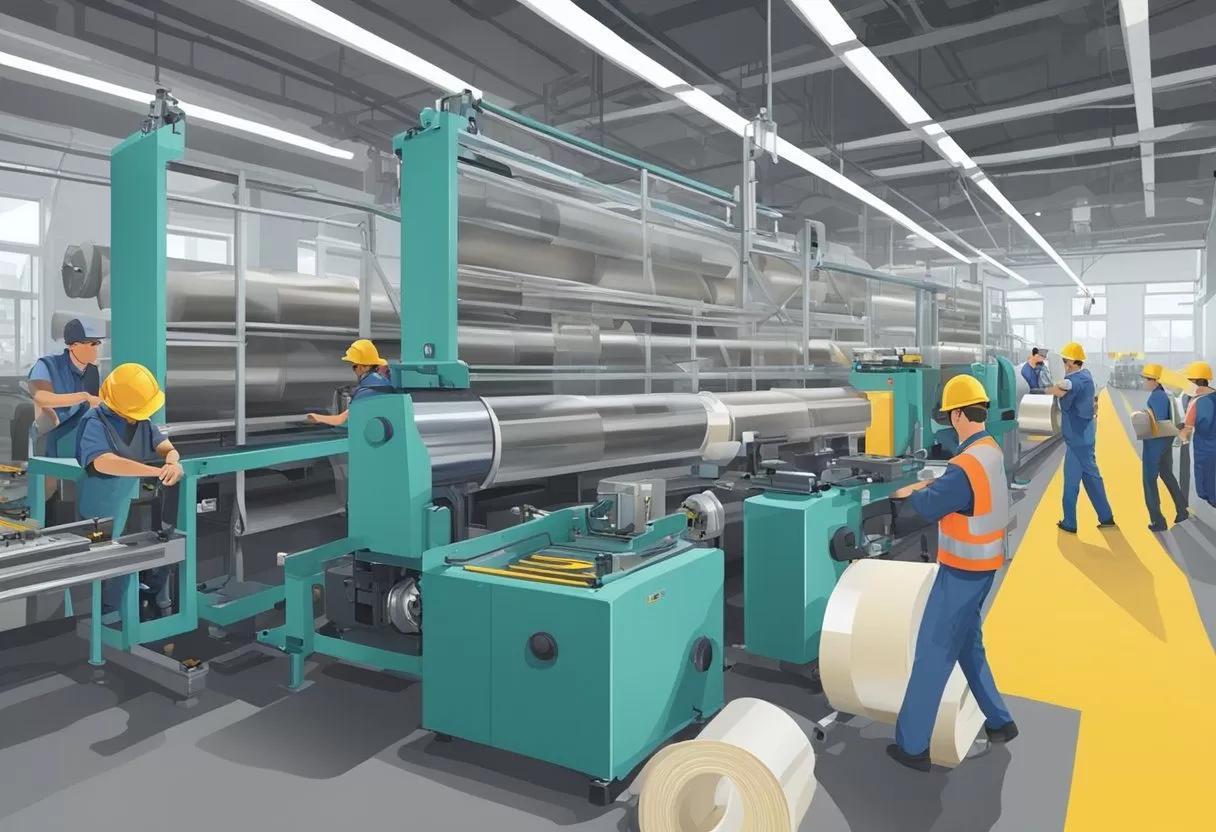
1. Chemical Composition and Manufacturing of Rubber Masking Tape
The performance of any masking tape is determined by its component parts. For rubber masking tape, this is a balanced combination of a saturated crepe paper backing and a formulated rubber adhesive. Each component must be engineered to withstand mechanical stress and thermal exposure.
Crepe Paper Backing Properties
The backing of the tape is manufactured from crepe paper, which undergoes a controlled creping process to introduce micro-folds. This structure gives the tape its characteristic elongation and flexibility. Raw paper is highly porous and lacks resistance to liquids. To counter this, manufacturers saturate the paper backing with synthetic latex or acrylic saturants. This treatment fills the paper fibers, providing several key benefits:
Solvent Resistance: Prevents paint solvents, water, and thinners from penetrating the backing and degrading the adhesive beneath.
Tensile Strength: Ensures the tape can be pulled off surfaces under tension without tearing or slivering.
Conformability: Allows the tape to stretch slightly, enabling it to follow curved profiles, rivets, and irregular geometries.
Rubber-Based Adhesive Formulations
The adhesive layer typically consists of natural rubber (polyisoprene) or synthetic elastomers blended with tackifying resins, plasticizers, and stabilizers. Natural rubber provides high initial tack (quick stick) and excellent cohesive strength. Unlike acrylic-based adhesives, which require pressure and time to build adhesion, rubber adhesives bond almost instantly upon contact with a surface.
To ensure the adhesive does not degrade during high-temperature baking cycles, antioxidants and heat stabilizers are added to the formulation. This chemical balancing prevents the polymer chains from cross-linking excessively or breaking down into a soft residue when exposed to heat ovens. The adhesive is anchored to the backing paper using a primer coat, while a release coat is applied to the top side of the paper to ensure easy, consistent unwinding from the roll.
2. Performance Metrics in Industrial Applications
To select the correct tape grade for a manufacturing facility, procurement teams must evaluate specific physical and mechanical metrics. These metrics are tested under standardized conditions (such as PSTC or ASTM standards) to ensure consistency.
Temperature Resistance Profiles
Industrial painting often involves curing cycles in bake ovens. Masking tapes are classified by their thermal limits. Standard utility tapes are designed for room-temperature applications, whereas industrial grades can withstand temperatures ranging from 80°C up to 150°C for periods of 30 to 60 minutes. Selecting a tape with insufficient heat resistance leads to the adhesive melting or baking onto the substrate, resulting in costly clean-up processes.
Peel Adhesion and Shear Strength
Peel adhesion measures the force required to remove the tape from a specific surface (typically stainless steel) at a specific angle and speed. A balanced peel adhesion ensures the tape stays in place during high-pressure spraying but releases cleanly when pulled. Shear strength, or holding power, measures the adhesive's resistance to sliding under shear stress. High shear strength is necessary when masking vertical surfaces or when the tape is holding protective masking films in place.
Elongation and Tensile Strength
Tensile strength represents the maximum force the tape can withstand before breaking. Elongation at break is the percentage of stretch the tape can achieve. For masking complex shapes, a higher elongation percentage (typically 8% to 12% for standard crepe) is beneficial, as it prevents the tape from lifting at the edges when wrapped around tight radiuses.
3. Addressing Common Paint and Surface Coating Pain Points
Industrial painters face several challenges that can lead to rework and scrap. The correct application of rubber masking tape helps resolve these issues directly.
Preventing Adhesive Transfer and Ghosting
Adhesive transfer occurs when the adhesive splits, leaving a sticky residue on the masked surface after removal. Ghosting refers to a faint, hazy imprint left behind. These issues often happen when tape is left on a surface too long, exposed to temperatures beyond its rating, or applied to surfaces with incompatible coatings. High-quality formulations from Youyi use cross-linked rubber chemistry to ensure the adhesive's internal cohesion remains stronger than its adhesion to the metal or plastic substrate, ensuring clean removal.
Managing Paint Bleed and Edge Precision
Paint bleed happens when paint seeps under the edge of the tape, ruining the clean line. This is usually caused by poor tape application, rough surface textures, or solvent attack on the adhesive edge. A finely creped paper with a high-tack rubber adhesive seals tightly to the substrate immediately upon application, preventing paint capillary action under the edge. Proper pressure application during installation is also necessary to activate the rubber adhesive fully.
Mitigating Lifting and Edge Curl
When masking curved surfaces, the tape's natural memory may cause it to try to return to its flat state, leading to edge lifting. If the adhesive lacks sufficient holding power, or if the surface has low surface energy (like some plastics or powder-coated surfaces), the tape will lift, allowing overspray to reach the protected area. Using a medium-to-high tack rubber adhesive ensures the bond strength overcomes the mechanical forces pulling the tape away from the surface.
4. Primary Industrial Sectors and Use Cases
Because of its versatility and reliability, rubber masking tape is used across several demanding sectors.
In automotive refinishing and OEM assembly, vehicles undergo multiple paint and bake cycles. Tapes used here must withstand temperatures up to 120°C, resist water-borne and solvent-borne paints, and peel off cleanly without damaging fresh clear coats. The flexibility of crepe paper allows operators to mask wheel wells, door jambs, and trim pieces accurately.
In the marine and aerospace sectors, the surfaces to be masked are large and often exposed to harsh environment conditions. Aluminum, fiberglass, and carbon fiber composites require adhesives that hold securely over multi-day painting processes without curing permanently to the surface. Additionally, marine paints often contain aggressive solvents, requiring a highly saturated backing that resists liquid penetration.
During the manufacturing of metal cabinets, control panels, and appliances, parts are often powder-coated or liquid-painted. Masking tapes must protect threads, electrical contact points, and flange surfaces from paint buildup. The immediate tack of rubber adhesives allows fast assembly-line application, reducing cycle times.
5. Procurement and Quality Control Standards for Bulk B2B Buyers
For B2B buyers sourcing container-load volumes, maintaining consistent product quality is paramount. When evaluating suppliers like Youyi, procurement managers should focus on several quality indicators:
Batch-to-Batch Consistency: Fluctuations in adhesive thickness or coating weight can lead to inconsistent performance. Testing a sample from different production runs helps verify consistency.
Storage and Shelf Life: Natural rubber is sensitive to UV light and oxygen degradation. Quality tape should retain its performance characteristics for at least 12 months when stored under standard warehouse conditions (approx. 21°C and 50% relative humidity).
Standard Compliance: Ensure the manufacturer tests their products against international methods such as ASTM D-3330 for peel adhesion, ASTM D-3759 for tensile strength, or equivalent ISO standards.
6. Sourcing High-Quality Tape Solutions from Youyi
As a global supplier of adhesive tapes, Youyi provides a comprehensive range of masking products tailored for diverse industrial needs. With advanced manufacturing facilities and rigorous quality control protocols, Youyi ensures that every batch of rubber masking tape meets strict performance parameters. Whether you require standard utility grades for general packaging and bundling, or high-temperature grades for industrial coating ovens, Youyi can supply custom widths, lengths, and packaging configurations to match your distribution or production requirements.
7. Frequently Asked Questions
Q1: How does a rubber-based adhesive compare to an acrylic adhesive in masking applications?
A1: Rubber adhesives offer higher initial tack and a faster bond to a wider variety of surfaces, including low-energy plastics. However, they are more sensitive to long-term UV exposure than acrylic adhesives. Acrylic adhesives build adhesion slower but typically offer better UV resistance and longer outdoor clean removal times, though they often cost more and lack the high initial grab of rubber.
Q2: What is the maximum duration rubber masking tape can be left on a surface before removal?
A2: The clean removal window depends on the specific tape grade, environmental exposure, and the substrate. Standard indoor tapes should be removed within 24 to 48 hours. High-performance industrial grades can often be left on for several days, but it is always recommended to remove the tape as soon as the paint curing cycle is complete and the surface has cooled down.
Q3: Why does tape sometimes tear into slivers when I try to peel it off?
A3: Slivering usually occurs when the paper backing has degraded due to excessive heat exposure, UV damage, or solvent penetration. It can also happen if the tape is pulled off at too sharp an angle or too quickly. Selecting a tape with a thicker, latex-saturated crepe backing and high tensile strength prevents this issue.
Q4: Can rubber masking tape be used on powder-coated surfaces?
A4: Yes, but it requires a high-adhesion formulation. Powder-coated surfaces often have low surface energy, which makes it difficult for standard adhesives to bond. A high-tack rubber masking tape is often preferred because rubber conforms well to the textured surface and provides the necessary initial grab.
Q5: How should bulk shipments of rubber masking tape be stored to prevent degradation?
A5: Tape should be stored in its original packaging in a cool, dry warehouse, away from direct sunlight, heating vents, and moisture. Ideal storage conditions are approximately 21°C (70°F) and 50% relative humidity. Avoid crushing the rolls, as this can deform the cores and damage the tape edges.
Q6: Is rubber masking tape suitable for outdoor painting projects?
A6: Standard rubber masking tapes are designed primarily for indoor use because natural rubber degrades when exposed to UV radiation from sunlight. UV rays cause the rubber polymer to break down, leaving a sticky residue. For outdoor applications, a specialized UV-resistant masking tape should be used.
Partner with Youyi for Your Industrial Tape Supply
Finding the right adhesive tape balance for your specific manufacturing or distribution requirements is simplified when working with an experienced manufacturer. Youyi works closely with B2B clients to provide reliable tape specifications that minimize paint failures and maximize line efficiency. If you are looking to place a bulk order, request product samples, or discuss custom product development for your local market, please contact our sales team to submit an inquiry today.