



Industrial logistics, construction, and manufacturing sectors demand reliable packaging and securing materials to maintain supply chain integrity. Standard packing tapes often fail when exposed to high shear forces, moisture, temperature fluctuations, or heavy physical loads. In such demanding environments, sealing cloth tape serves as a highly reliable adhesive solution. Engineered with a woven fabric backing and a high-tack adhesive layer, this category of tape offers the mechanical strength and flexibility required for challenging applications.
For procurement managers and packaging engineers, selecting the appropriate tape involves understanding the underlying material science. A mismatched adhesive or a backing with insufficient tensile strength can lead to product damage, container opening during transit, or safety issues on-site. Youyi manufactures a comprehensive range of industrial-grade tape products designed to meet specific performance requirements, helping operations minimize product failure and streamline their packaging processes.
Anatomy of a High-Performance Sealing Cloth Tape
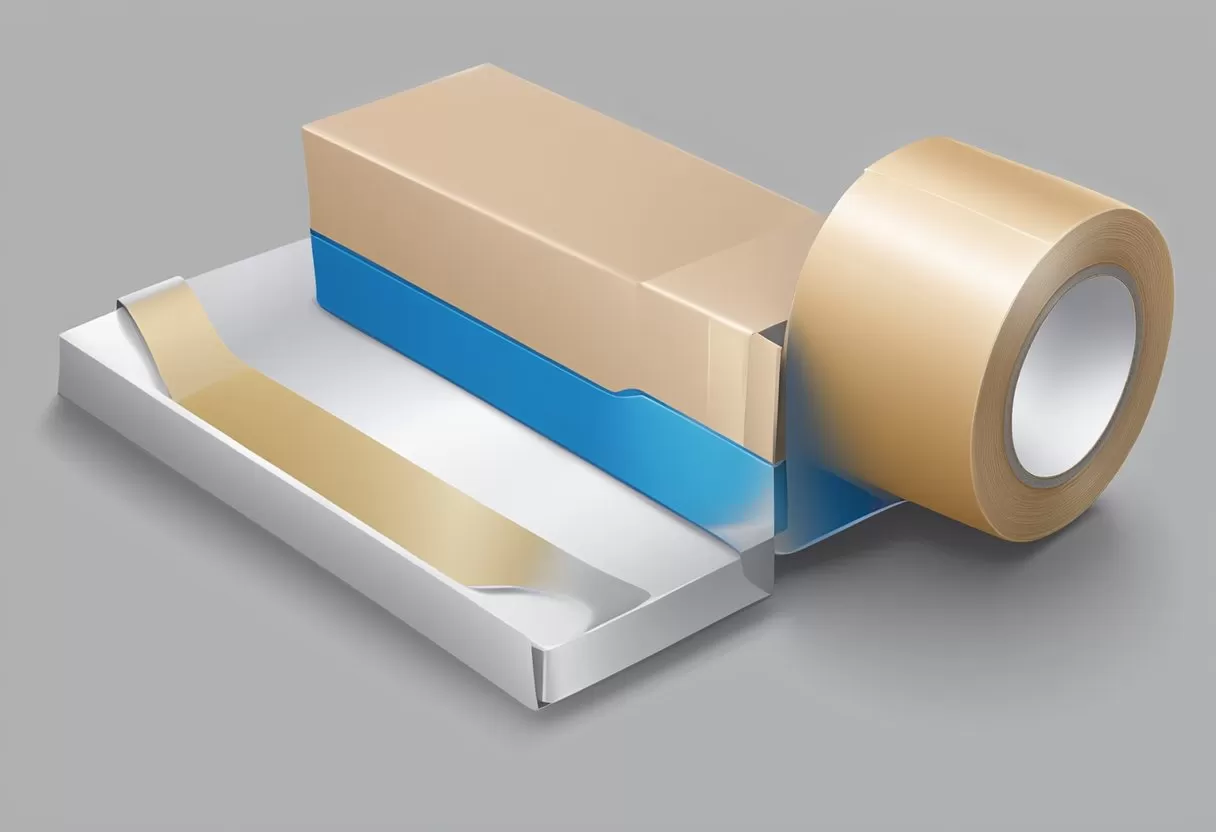
To evaluate the suitability of a tape for a specific industrial application, it is important to analyze its composite layers. A standard high-grade tape is composed of three distinct components: a protective outer layer, a woven reinforcement grid, and a specialized adhesive layer.
The Backing: Polyethylene Film and Woven Scrim
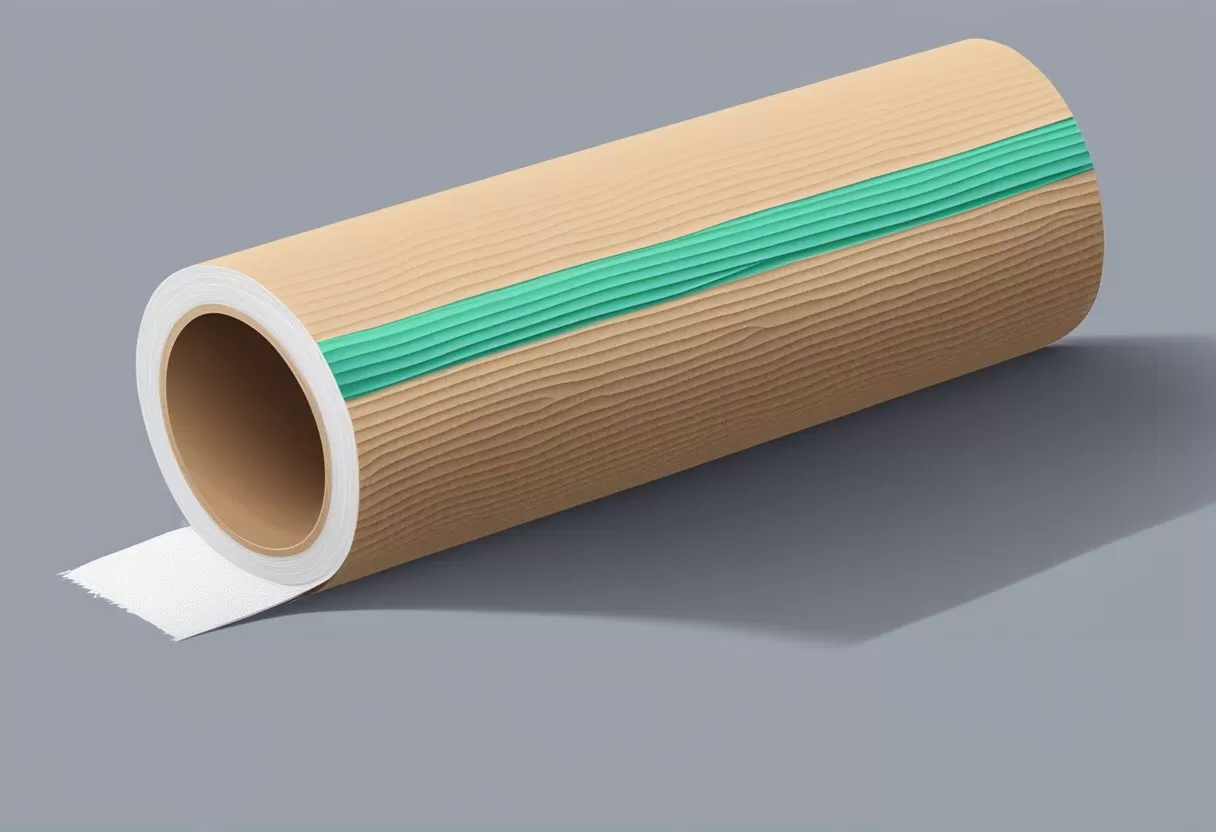
The durability of sealing cloth tape depends largely on its composite backing. The outermost layer consists of a polyethylene (PE) film, which provides water resistance, barrier properties against environmental contaminants, and resistance to abrasion. Laminated to this PE film is a woven fabric grid, commonly referred to as the scrim. This scrim is typically made of cotton, polyester, or a blend of both fibers.
The density of this woven fabric is quantified by the mesh count, which indicates the number of threads per square inch. Standard options range from low-density utility meshes (around 27 mesh) to high-density industrial meshes (70 mesh or higher). A higher mesh count increases the overall tensile strength of the tape, making it highly resistant to splitting or stretching under tension. Conversely, lower mesh counts offer a more economical solution for applications where high mechanical stress is not anticipated, while still providing the convenience of easy hand-tearing along the weave.
The Adhesive System: Natural Rubber vs. Hot Melt
The chemical formulation of the adhesive determines how well the tape bonds to various substrates and how it performs under different thermal conditions. Two primary adhesive families dominate the industrial market:
Natural Rubber Adhesive: This formulation is known for its high immediate tack (grab) and excellent adhesion to irregular, dusty, or low-energy surfaces. It performs reliably across a wide temperature range and offers superior clean removal properties, leaving minimal adhesive residue when peeled off. This makes it ideal for surface masking, temporary holding, and clean-room applications.
Hot-Melt (Synthetic Rubber) Adhesive: Hot-melt adhesives provide exceptional shear resistance—the ability to resist sliding forces—on smooth, clean surfaces like corrugated cardboard. They are highly cost-efficient and perform exceptionally well in high-speed automated packaging lines where consistent bonding pressure is applied. However, they may exhibit lower performance when exposed to extreme temperatures or UV radiation over extended periods.
Key Performance Indicators for Industrial Selection
Procurement teams should base their selection on quantifiable performance metrics rather than generic product descriptions. The performance of sealing cloth tape is determined by several measurable physical properties.
Tensile Strength and Tearability
Tensile strength represents the maximum force a tape can withstand before breaking, typically measured in Newtons per centimeter (N/cm) or pounds per inch (lbs/in). High-tensile tapes are necessary for heavy bundling, pipe securing, and double-wall carton sealing. Despite high tensile strength, high-quality tapes maintain good crosswise tearability, allowing workers to apply the tape quickly by hand without needing cutting tools.
Peel Adhesion and Shear Resistance
Peel adhesion measures the force required to remove the tape from a standard test surface, usually stainless steel, at a specific angle and speed. High peel adhesion prevents the tape from lifting at the corners when applied to curved surfaces or rough materials. Shear resistance, or holding power, refers to the adhesive's ability to withstand continuous stress. High shear resistance prevents the tape from sliding or letting go when cardboard carton flaps exert constant outward pressure during transport.
Elongation and Conformability
Elongation at break is the percentage by which the tape can stretch before failing. A balanced degree of elongation allows the tape to conform tightly around irregular shapes, such as pipe joints, fittings, and bundled cables, without tearing or snapping at stress points.
Common Industrial Applications of Sealing Cloth Tape
Due to its robust construction, sealing cloth tape is utilized across diverse commercial and industrial sectors where standard film tapes fail to perform.
Heavy-Duty Carton Sealing and Export Packaging
Standard packaging tapes can struggle to secure heavy containers, such as those holding machinery parts, chemical raw materials, or bulk liquids. During sea freight transit, containers face high humidity, physical impacts, and shifting loads. Utilizing a robust sealing cloth tape ensures that box flaps remain securely closed under these conditions. The fabric backing prevents the tape from puncturing when in contact with sharp edges or during stacking operations.
Surface Masking and Protection in Construction
During abrasive blasting, plastering, or painting, metal and stone surfaces require heavy shielding from physical damage. The thickness of cloth tape provides a reliable protective barrier against minor impacts and overspray. By selecting a tape with a natural rubber adhesive, construction teams can protect delicate substrates and remove the tape cleanly without leaving behind adhesive residue that requires chemical solvents to clean.
Pipe Bundling, Joint Sealing, and HVAC Maintenance
In mechanical, electrical, and plumbing (MEP) installations, cloth-backed tape is regularly used to seal metal air ducts, bundle plastic conduits, and secure fiberglass or elastomeric insulation. The polyethylene coating acts as an effective moisture barrier, preventing water vapor from entering the insulation layers, which helps maintain the thermal efficiency of heating and cooling systems.
Solving Common Performance Issues
Selecting low-grade adhesive tapes often leads to operational delays, material waste, and increased labor costs. Understanding these common failure modes helps buyers make informed decisions.
Adhesive Transfer and Cleaning Costs
A common issue with low-quality adhesive formulations is cohesive failure, where the adhesive splits, leaving a sticky residue on the substrate upon removal. This requires manual scraping or solvent cleaning, which increases labor costs. Youyi addresses this issue by using advanced co-extrusion and anchoring processes that physically lock the adhesive layer to the PE-cloth backing, promoting clean removal even after prolonged contact.
Delamination and Water Ingress
When exposed to wet or highly humid environments, poorly laminated tapes can delaminate, meaning the PE film separates from the fabric mesh. This exposes the thread fibers to water absorption, weakening the tape structure and causing adhesive failure. Premium tapes utilize high-temperature lamination processes to ensure the PE film and woven mesh function as a single, cohesive barrier against moisture.
Thermal Degradation
In non-climate-controlled warehouses or shipping containers, temperatures can rise significantly. Standard hot-melt adhesives can soften under high heat, leading to tape slippage and package failure. Conversely, cold storage environments can cause adhesives to freeze and lose their tack. Using temperature-stabilized formulations ensures that the adhesive maintains its physical state and holding power across a wider temperature range.
Specification Comparison Matrix
The table below provides a general overview of the typical performance profiles of different grades of sealing cloth tape to help match product specifications with application needs:
| Grade Type | Mesh Count | Adhesive Base | Tensile Strength (N/cm) | Primary Application |
|---|---|---|---|---|
| Utility Grade | 18 - 27 Mesh | Synthetic Rubber (Hot-Melt) | 30 - 35 | Light bundling, temporary sealing, general household use. |
| Medium Grade | 35 - 50 Mesh | Natural / Synthetic Blend | 40 - 50 | Standard carton sealing, pipe wrapping, construction masking. |
| Heavy-Duty Grade | 70+ Mesh | Premium Natural Rubber | > 60 | Export packaging, heavy bundling, military-spec sealing, surface protection. |
Procurement Considerations for Bulk Buyers
Industrial purchasing agents should consider several operational parameters when negotiating bulk orders with manufacturers.
Substrate Compatibility
Before placing a large order, it is important to test the tape on the actual surfaces where it will be applied. Recycled cardboard, powder-coated metals, and low-surface-energy plastics each interact differently with adhesive formulations. Conducting peel and shear tests on these materials ensures the selected tape provides the necessary adhesion without failing prematurely.
Storage and Shelf Life
To preserve the adhesive properties of sealing cloth tape, rolls should be stored in their original packaging in a cool, dry environment, ideally at approximately 21°C (70°F) and 50% relative humidity. Exposure to direct sunlight, high temperatures, or damp conditions can degrade the adhesive chemistry, reducing its shelf life and performance when deployed in the field.
Customization Options
Depending on the application, customized roll widths, lengths, and colors may be required for color-coding, ease of handling, or automated dispensing compatibility. Youyi offers custom manufacturing options, allowing clients to specify precise width tolerances, custom roll lengths, and specific backing colors to match their operational requirements.
Frequently Asked Questions
Q1: What is the difference between utility duct tape and industrial sealing cloth tape?
A1: Utility duct tape is designed for general, non-critical household applications and typically features a lower mesh count and thinner adhesive layer. Industrial sealing cloth tape is engineered to meet stricter performance specifications, including higher tensile strength, higher mesh counts, superior moisture barrier properties, and specialized adhesives that prevent residue transfer in demanding environments.
Q2: Can sealing cloth tape be used outdoors for long periods?
A2: While the polyethylene backing is water-resistant, prolonged exposure to UV radiation can degrade standard synthetic adhesives over time. For long-term outdoor applications, it is advisable to select a tape specifically formulated with UV inhibitors and a natural rubber-based adhesive to prevent premature degradation.
Q3: Is hand-tearability maintained in high-mesh-count tapes?
A3: Yes, high-quality manufacturing processes ensure that even high-tensile, high-mesh-count tapes can be torn cleanly by hand across the width of the tape. This allows operators to work efficiently without needing specialized cutting tools, while still maintaining high tensile strength along the length of the tape.
Q4: Why does some tape leave adhesive residue behind, and how can this be avoided?
A4: Residue occurs when the adhesive's internal cohesive strength is weaker than its bond to the substrate, or when the adhesive degrades under heat or UV exposure. To avoid this, select high-grade natural rubber adhesive tapes with optimized anchoring layers, and remove the tape within the manufacturer’s recommended clean-removal time window.
Q5: How does humidity affect the application and performance of the tape?
A5: High humidity can interfere with the initial bond if condensation forms on the substrate before application. It is important to apply the tape to clean, dry surfaces. Once applied with sufficient pressure, a high-quality tape with a moisture-resistant PE backing will protect the bond line from humidity and moisture ingress.
Q6: Are there specific storage conditions required to maintain tape quality?
A6: To maintain consistent adhesive performance, tape rolls should be stored in a dry, temperate environment, out of direct sunlight and away from heat sources. Ideally, store the tape at around 21°C (70°F) and 50% relative humidity to ensure the adhesive properties do not degrade over time.
Contact Youyi for Your Industrial Adhesive Requirements
Selecting the correct adhesive tape is a balancing act between material properties, cost constraints, and application requirements. Youyi offers a comprehensive portfolio of high-performance sealing cloth tape options designed to meet the rigorous demands of global industrial packaging, construction, and manufacturing operations.
For detailed product specification sheets, volume pricing, or to request customized product samples for your specific operational tests, please submit your inquiry to our sales team. We are ready to assist you with your bulk procurement needs and help you find the right material solution for your business.