




The integrity of secondary packaging represents a primary concern for modern logistics, manufacturing, and distribution operations. Securing corrugated cartons for transit requires closures that withstand physical stress, temperature fluctuations, and shearing forces. While pressure-sensitive plastic tapes have historically dominated the market, structural requirements have driven many high-volume facilities toward paper-based alternatives. Specifically, sealing kraft tape has become a primary choice for operations seeking reliable carton closure, enhanced security, and structural rigidity.
For industrial purchasing managers, selecting packaging materials involves evaluating material science, machinery compatibility, and total cost of ownership. This analysis examines the technical characteristics of kraft-backed adhesive tapes, their behavioral patterns under load, and their implementation within automated packaging lines. Understanding these variables allows businesses to make informed procurement decisions that protect cargo and streamline warehouse operations.
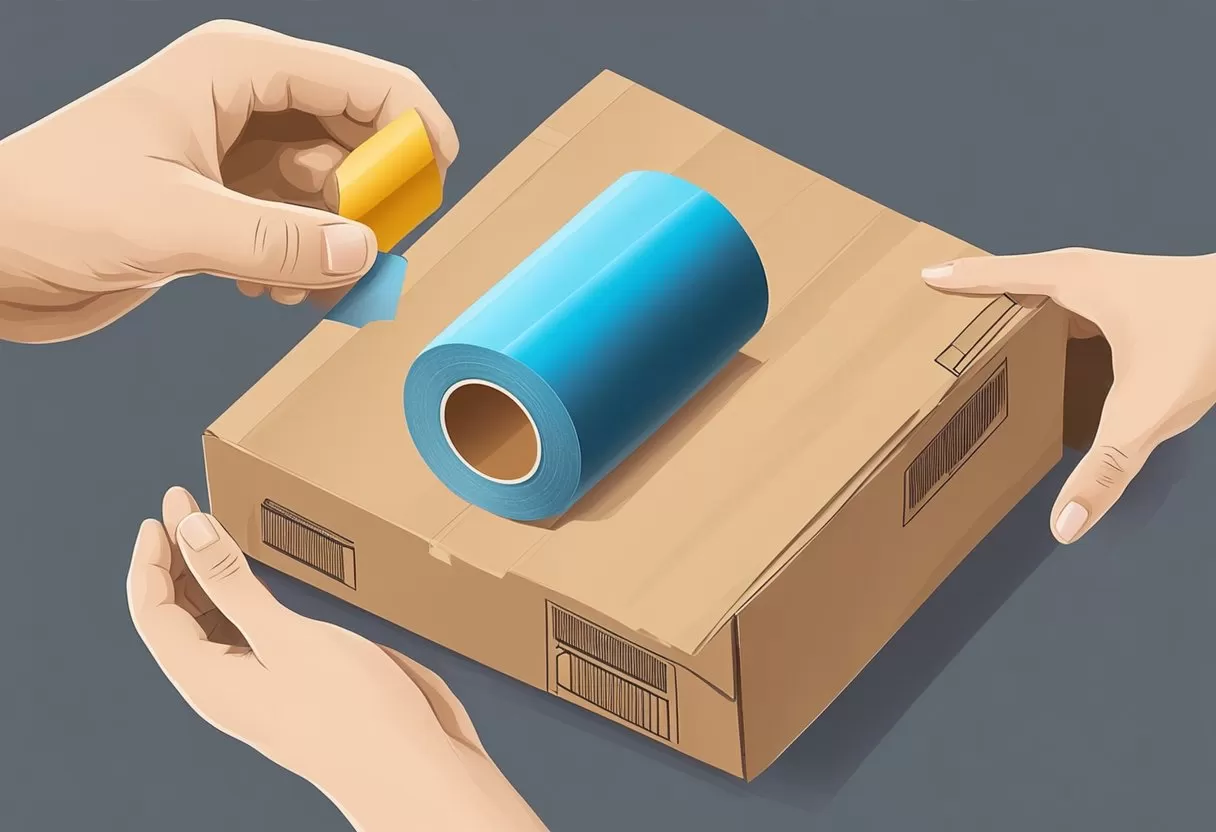
Anatomy of Sealing Kraft Tape: Material Science and Adhesives
Evaluating paper-based tapes requires a look at their physical components. Unlike plastic films that rely solely on surface tension and viscoelastic adhesives, paper-bearing tape systems interact differently with corrugated liners. The tape structure consists of three primary layers: the paper carrier, the reinforcement matrix (if applicable), and the adhesive system.
The Paper Carrier (Backing)
The base paper is typically manufactured from unbleached virgin softwood kraft pulp. The long cellulose fibers inherent in softwood kraft pulp provide high tensile strength and puncture resistance. This paper carrier is measured by its basis weight, usually ranging from 50 to 110 grams per square meter (g/m²). Heavier basis weights offer superior resistance to edge tearing and abrasions during transit, while lighter weights provide the flexibility needed to conform to irregular carton surfaces.
The Reinforcement Matrix
For heavy-duty applications, the paper backing is reinforced with fiberglass or polyester filaments embedded between two layers of paper using a laminating adhesive. These filaments are typically arranged in a diamond pattern, a longitudinal pattern, or a combination of both. The presence of reinforcement strands alters the mechanical behavior of the tape, shifting the primary failure point from the paper backing to the tensile limits of the fiberglass fibers. This configuration prevents the tape from stretching or snapping when the carton flaps are subjected to internal pressure from shifting heavy goods.
Adhesive Formulations: Water-Activated vs. Pressure-Sensitive
Selecting the correct adhesive chemistry determines how the tape secures the carton and performs under different climate conditions. There are two primary categories of adhesives used in these tape systems:
Water-Activated Adhesive (Gummed Tape): This system utilizes a dry, starch-based adhesive (typically potato or corn starch) coated onto the paper backing. When water is applied via a dispenser, the starch gelatinizes, penetrating the porous cellulose fibers of the corrugated carton. As the water evaporates, the adhesive crystallizes, creating a permanent, cohesive bond between the tape and the box. This molecular bond cannot be separated without destroying the outer liner of the carton, making it highly secure.
Pressure-Sensitive Adhesive (PSA): This variant uses a synthetic rubber, hot-melt, or acrylic adhesive that remains tacky at room temperature. It requires physical pressure to wet the surface of the carton liner. While PSA kraft tape does not require water for activation and can be applied quickly by hand, its bond is mechanical rather than molecular, meaning it adheres to the surface fibers rather than fusing with them.
Youyi manufactures both varieties, matching adhesive coat weights to specific industrial demands. This ensures that the chosen sealing kraft tape matches the specific machinery, substrate, and environmental exposure of the application.
Operational Challenges in Industrial Carton Sealing
High-volume distribution centers often face recurring carton failure issues that stem from inappropriate tape selection or incorrect application parameters. Identifying these failure modes is necessary for maintaining operational throughput.
Adhesive Failure in Extreme Environments
Standard adhesive tapes often struggle when subjected to temperature extremes. In cold-chain logistics, such as frozen food storage or winter transit, synthetic rubber adhesives can undergo glass transition, turning brittle and losing their tack. Conversely, in high-heat environments like unventilated shipping containers, hot-melt adhesives can soften, causing the tape to slide under shear stress. Starch-based water-activated adhesives are structurally stable across a wide temperature range, resisting both freezing and melting once fully cured.
Tampering and Cargo Pilferage
Loss prevention remains a constant challenge in the supply chain. Pressure-sensitive plastic tapes can often be peeled off a carton, allowing unauthorized access to the contents, and then reapplied without leaving visible signs of tampering. Using non-reinforced or reinforced water-activated sealing kraft tape solves this vulnerability. Because the starch adhesive fuses with the box fibers, any attempt to remove the tape tears the carton liner, providing immediate, irreversible evidence of tampering.
Automated Dispenser Downtime
In automated packaging lines, tape-related downtime can halt entire conveyor systems. Common issues include adhesive buildup on cutter blades, tape curling before application, and inconsistent wetting of water-activated tapes. If the water volume or temperature is not properly calibrated, the adhesive may not fully activate, leading to loose tape tails or immediate carton failure further down the sorting line. Selecting a tape with consistent backing stiffness and clean-cutting glass fibers helps mitigate these operational delays.
Performance Evaluation Metrics for B2B Procurement
To establish an objective procurement process, quality control engineers must evaluate sealing kraft tape against standardized mechanical metrics. Relying solely on cost-per-roll often leads to increased failure rates and higher overall costs due to damaged goods.
Tensile Strength (MD and CD)
Tensile strength is measured in both the Machine Direction (MD) and Cross Direction (CD). For non-reinforced tape, tensile strength is determined by the quality and weight of the kraft paper. For reinforced tapes, the tensile rating is primarily governed by the denier and density of the fiberglass filaments. High-volume packaging lines handling cartons over 20 kg typically require a minimum MD tensile strength of 65 lbs/inch to prevent rupture during drop tests and conveyor transfers.
Shear Resistance and Holding Power
Shear resistance measures the ability of an adhesive to resist forces that slide the tape along the surface of the carton. In corrugated packaging, the carton flaps naturally exert an upward force, attempting to spring open. The adhesive must possess sufficient holding power to counteract this continuous spring-back force, particularly in high-humidity warehouses where carton fibers soften.
Peel Adhesion and Fiber Tear
Peel adhesion tests measure the force required to peel the tape from a stainless-steel test panel or a standardized kraft linerboard. For water-activated tape, the industry standard for a successful bond is "100% fiber tear." This means that when the tape is pulled away, it must tear the fibers from the corrugated board across the entire contact area, proving that the adhesive bond is stronger than the internal strength of the paperboard itself.
Industrial Application Profiles
The selection of sealing kraft tape varies widely depending on the specific product, transit method, and industry demands.
Heavy-Duty Machinery and Automotive Parts
Industrial components are heavy and often contain sharp or irregular edges that can puncture standard packaging from the inside. These shipments require reinforced sealing kraft tape with heavy-duty glass filaments. The high tensile strength prevents carton deformation when handled by forklift operators or subjected to vibration on flatbed trucks.
E-Commerce Fulfillment Centers
High-velocity e-commerce operations prioritize speed and neat presentation. Using water-activated tape with semi-automatic electric dispensers allows packers to pull pre-measured, pre-moistened tape strips quickly. This reduces repetitive motion injuries compared to heavy hand-held tape guns and ensures consistent carton closures across multiple shifts. Additionally, the flat, neat appearance of paper tape provides a clean aesthetic that supports brand presentation.
Food, Beverage, and Cold Chain Logistics
Packaging in the food industry must comply with indirect food contact regulations and perform reliably in humid, refrigerated environments. Starch-based adhesives are odorless and non-toxic, making them suitable for close proximity to food products. Since the cured adhesive is unaffected by humidity and condensation once the bond is formed, it prevents carton flaps from popping open during refrigerated transport and storage.
Seamless Integration with Automated Packaging Machinery
To maximize efficiency, sealing kraft tape must be integrated into the existing workflow using the correct dispensing equipment. Handheld manual dispensers are useful for low-volume operations, but high-throughput environments require more sophisticated systems.
Electric Water-Activated Tape Dispensers
For semi-automated workstations, electric dispensers are utilized. These machines feature heated water reservoirs that warm the water before applying it to the dry adhesive. Heated water accelerates the gelatinization of the starch, leading to a faster initial tack. The operator inputs the desired length via a keypad, and the machine dispenses, moistens, and cuts the tape instantly. Youyi designs its tape products to feed smoothly through these dispensers, reducing paper dust buildup and blade wear.
Fully Automated Carton Sealing Systems
In fully automated production lines, inline carton sealers receive unsealed boxes, fold the flaps, apply the sealing kraft tape, and wipe it down with rollers—all without manual intervention. This setup requires large-diameter machine rolls of tape (often 300 to 1000 meters in length) to minimize roll-change downtime. The tape must have precise lateral stiffness to prevent guiding errors within the tape head, and the adhesive must be formulated for immediate wet tack to bond during the rapid wipe-down process.
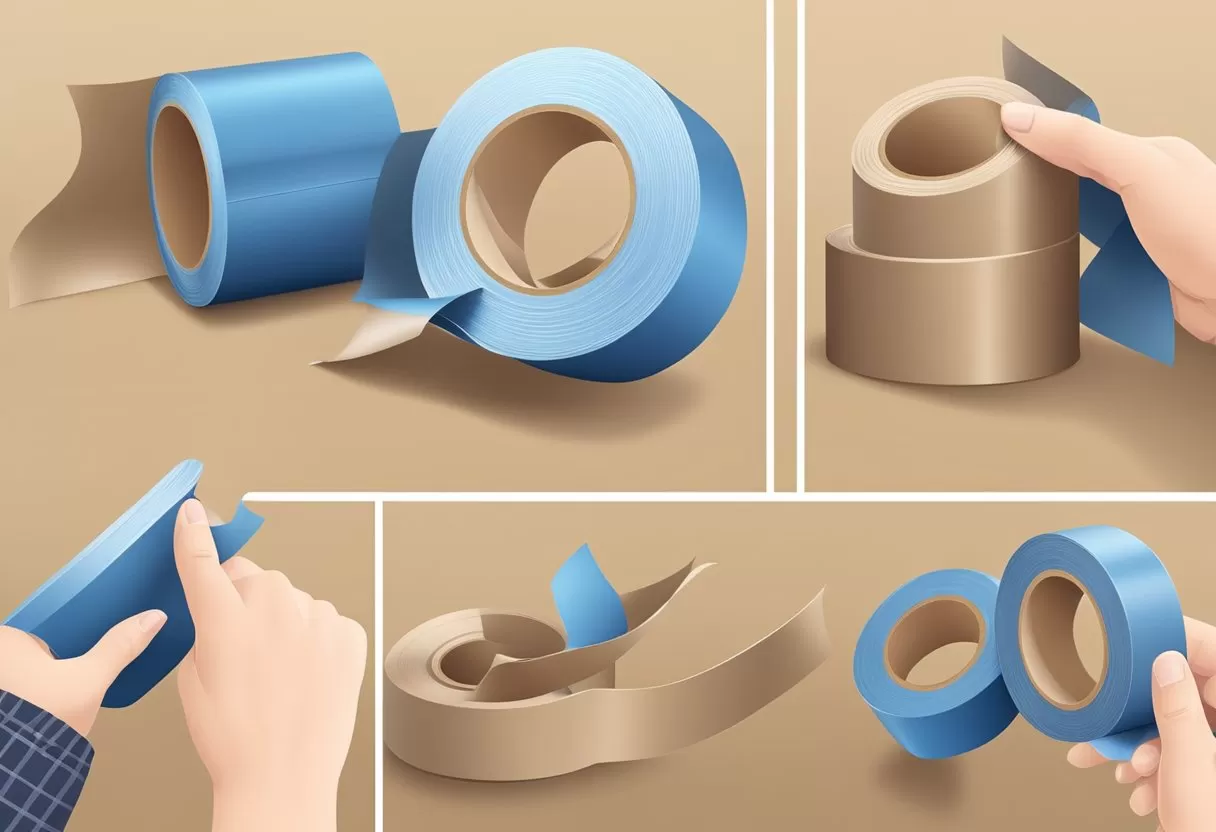
Technical Comparison of Kraft Tape Types
Selecting the correct product requires comparing different tape designs against operational needs. The following table highlights the differences between standard formulations:
| Tape Characteristic | Standard Non-Reinforced WAT | Reinforced WAT (Fiberglass) | Pressure-Sensitive Kraft Tape |
|---|---|---|---|
| Adhesive Type | Water-activated starch-based | Water-activated starch-based | Hot-melt, solvent, or acrylic synthetic rubber |
| Tensile Strength | Moderate (Paper limits) | High (Fiberglass-reinforced limits) | Moderate (Paper limits) |
| Tamper Evidence | High (Creates 100% fiber tear) | High (Creates 100% fiber tear) | Moderate (Depends on adhesive age and carton quality) |
| Dispensing Equipment | Manual or electric water dispensers | Electric dispensers with heavy-duty cutters | Standard hand-held tape guns or automatic tape heads |
| Best Application | Lightweight to medium cartons, recycling-focused packaging | Heavy-duty industrial parts, high-value freight, parcel shipping | Quick repair, low-volume fulfillment, non-critical sealing |
Partner with Youyi for Custom Adhesive Solutions
Every packaging operation has unique demands based on carton sizes, weights, and environmental conditions. Selecting the appropriate sealing kraft tape can significantly reduce transit damages, stop product theft, and lower overall material usage. Youyi offers a broad selection of paper-based packaging tapes, including water-activated, pressure-sensitive, reinforced, and custom-printed varieties tailored to your technical requirements.
We invite purchasing managers, logistics directors, and packaging engineers to contact us for product specifications, performance datasheets, or custom samples. Our technical team is ready to analyze your current packaging process and help you select the most efficient adhesive tape solution.
To request technical datasheets or discuss your bulk supply requirements, please submit your inquiry to our B2B sales division today.
Frequently Asked Questions
Q1: Can water-activated sealing kraft tape be recycled along with the corrugated carton?
A1: Yes. The starch adhesive and paper backing are derived from natural cellulose materials and dissolve during the repulping process of corrugated recycling. For reinforced versions, the small amount of fiberglass filaments is easily screened out during the standard filtering stage of the recycling process, meaning the entire carton can be recycled without removing the tape.
Q2: What is the optimal water temperature for activating the adhesive on gummed kraft tape?
A2: The optimal water temperature for fast adhesive activation is between 43°C and 55°C (110°F to 130°F). While room-temperature water will activate the starch adhesive, using warm water in the dispenser reservoir speeds up the gelatinization process. This ensures rapid initial tack, which is essential for fast-moving conveyor lines where cartons are palletized immediately after sealing.
Q3: How does the shelf life of pressure-sensitive kraft tape compare to water-activated tape?
A3: Water-activated tape has an exceptionally long shelf life, often exceeding several years when stored in a cool, dry place. Because the starch adhesive is dry and inactive until moistened, it does not degrade or lose tack over time. In contrast, pressure-sensitive kraft tapes using rubber or acrylic adhesives typically have a shelf life of 12 to 24 months, as the active adhesives can gradually oxidize and dry out when exposed to air and light.
Q4: Why does reinforced tape require specialized cutting blades in automated machines?
A4: Reinforced tape contains high-tensile fiberglass or polyester filaments. These materials are highly abrasive and strong. Standard steel blades used for cutting plastic tape will quickly dull, nick, or bend when cutting reinforced filaments. Automated packaging heads and electric dispensers must be equipped with hardened steel or carbide-coated blades designed to shear through fiberglass cleanly without fraying.
Q5: Is sealing kraft tape suitable for double-wall or triple-wall heavy-duty industrial cartons?
A5: Yes. For double-wall and triple-wall corrugated cartons, reinforced water-activated tape is highly recommended. The high spring-back force of heavy-grade cardboard flaps requires a permanent, molecular bond to prevent the box from bursting open. Reinforced tape provides the necessary tensile strength and shear resistance to hold heavy industrial cartons secure throughout domestic and international transit.