



In modern industrial manufacturing and commercial construction, achieving a permanent, hermetic seal against moisture and air penetration is a persistent engineering challenge. Structural movements, thermal expansion, and environmental degradation constantly threaten the integrity of joint seals. To address these vulnerabilities, engineering teams consistently turn to specialized elastomeric sealants. Among these materials, strong adhesion butyl tape has emerged as a primary solution due to its specific chemical composition and enduring surface tack.
As a global supplier of adhesive products, Youyi manufactures high-performance butyl tape formulations designed to withstand prolonged exposure to harsh environmental conditions. Understanding the material science behind these tapes allows project managers and procurement specialists to make informed decisions for high-stakes building envelopes, automotive assemblies, and infrastructure projects.
The Chemical Composition and Rheological Properties of Butyl Sealants
The performance of strong adhesion butyl tape depends on its synthetic elastomer base, which is a copolymer of isobutylene and a small percentage of isoprene. This specific formulation yields a synthetic rubber that is highly saturated. The lack of double bonds in the polyisobutylene polymer chain provides the material with exceptional resistance to oxygen, ozone, and ultraviolet radiation, preventing the embrittlement that typically affects natural rubber adhesives over time.
Viscoelasticity is the primary rheological property that governs the behavior of these tapes. Because the material exhibits both viscous and elastic characteristics, it behaves as a slow-flowing liquid under pressure while retaining its rubber-like elasticity under tension. When applied to a substrate, the tape flows into microscopic surface irregularities, creating a physical bond that traditional rigid adhesives cannot achieve. This cold-flow property allows the seal to self-heal when subjected to minor punctures or mechanical displacements.
Low gas permeability is another intrinsic benefit of the polyisobutylene structure. Compared to other elastomeric materials such as polyurethane or silicone, butyl compounds exhibit a gas permeation rate that is several orders of magnitude lower. This makes the tape highly effective for applications requiring airtight barriers and moisture vapor prevention.
Industrial Performance Metrics of Strong Adhesion Butyl Tape
Selecting an adhesive for industrial applications requires a rigorous examination of physical properties. Engineering teams typically evaluate several key performance indicators to verify that the adhesive formulation aligns with project parameters.
Peel Adhesion and Surface Energy Compatibility
Peel adhesion, measured in accordance with standards such as ASTM D3330, quantifies the force required to remove the tape from a specific substrate. High-performance butyl tapes are formulated to achieve immediate wet-out on both high-surface-energy substrates, like steel and anodized aluminum, and low-surface-energy plastics, like polyethylene and polypropylene. The goal is to establish a bond where the cohesive strength of the butyl compound exceeds the adhesive bond to the substrate, ensuring that any structural failure occurs within the tape itself rather than at the interface.
Tensile Strength and Elongation Capacity
While butyl tapes are not designed to serve as primary structural fasteners, they must tolerate joint movement caused by wind loads, seismic activity, and temperature swings. Elongation capacity, often tested via ASTM D412, indicates how far the tape can stretch before tearing. Quality formulations regularly achieve elongation rates exceeding 300%, allowing the sealant to bridge expanding gaps without losing its internal integrity.
Thermal Stability and Temperature Range
Industrial installations are subjected to extreme temperature ranges. A standard butyl formulation must remain flexible and tacky at temperatures as low as -40°C, avoiding the glass transition phase where polymers become brittle and crack. Conversely, the compound must resist sagging, sliding, or flowing at elevated temperatures reaching up to 90°C, which are common on dark metal roofs under direct sunlight. Youyi adjusts the vulcanization and filler ratios in its manufacturing process to ensure thermal stability across these operating limits.
Primary Applications Across Key Industries
The adaptability of butyl sealants makes them a preferred option in several sectors where liquid sealants would be difficult to apply or would fail due to joint movement.
Metal Building and Roofing Construction: In metal building assemblies, panels expand and contract continuously. Butyl tape is applied along sidelaps, endlaps, and around ridge caps to block water intrusion. Its resistance to the alkaline environment of concrete also makes it useful for sealing joints in precast concrete structures.
HVAC Ductwork Sealing: Heating, ventilation, and air conditioning systems require airtight joints to prevent pressure loss and energy waste. Butyl tapes seal rectangular and round duct joints, providing a barrier that resists the constant vibration and pressure fluctuations within the ventilation system.
Automotive and Transportation Manufacturing: In vehicle assembly, butyl compounds assist in noise, vibration, and harshness (NVH) damping. They seal door panels, vapor barriers, and window assemblies, preventing wind noise and moisture ingress while absorbing road vibrations.
Infrastructure and Utility Conduits: Underground pipes, manholes, and utility vaults require sealing solutions that resist hydrostatic pressure and soil chemicals. Butyl tape remains stable in underground environments, resisting biological decay and acidic soil conditions.
Evaluating Substrate Compatibility and Surface Preparation
The success of any adhesive installation depends on the condition of the contact surfaces. Even a tape with exceptional adhesive properties can fail prematurely if applied to a contaminated substrate.
Surface preparation begins with the removal of loose debris, rust, scale, moisture, and oils. Solvents such as isopropyl alcohol or acetone are typically used to clean metal surfaces, while wire brushing may be required for porous materials like concrete or brick. In cold-weather applications, invisible condensation or frost can form on metal surfaces, acting as a barrier that prevents the butyl polymer from making direct contact with the substrate. Warming the substrate with a heat gun or applying a compatible primer can prevent this issue.
When bonding to porous substrates like masonry or green concrete, applying a thin primer layer fills the microscopic voids and stabilizes the surface. This step prevents the butyl tape from drying out prematurely by stopping the porous substrate from absorbing the plasticizers and oils from the adhesive compound.
Custom Manufacturing and Specification Options
Standard adhesive products do not always meet the unique requirements of specialized industrial projects. Varied environmental demands, regulatory standards, and installation methods require customized tape configurations.
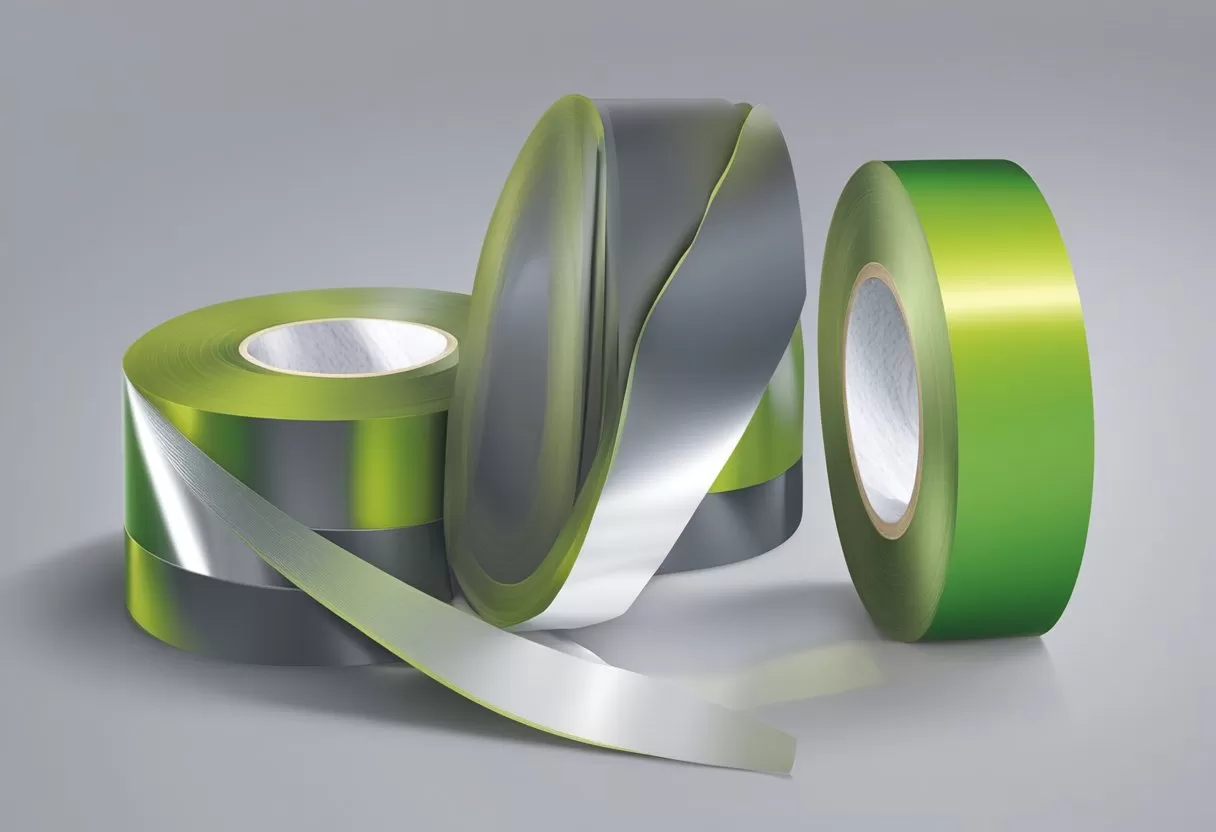
As a seasoned manufacturer, Youyi works with industrial clients to adjust physical properties such as thickness, width, and release liner type. For instance, high-temperature applications might require a tape with a heat-reflective aluminum backing, whereas sealing irregular joints could require a double-sided tape with a highly conformable fabric carrier. The release liner itself—whether made of silicone-coated paper or high-density polyethylene film—is selected based on the application environment to ensure easy removal on-site without tearing the adhesive body.
Frequently Asked Questions
Q1: What is the lifespan of strong adhesion butyl tape when exposed to direct weathering?
A1: High-quality butyl tape formulated with premium synthetic polymers can maintain its elastomeric properties and seal integrity for over 20 years. Its saturated polymer backbone resists degradation from UV exposure, moisture, and temperature fluctuations, preventing drying, cracking, or hardening under normal environmental conditions.
Q2: Can butyl tape be painted over after installation?
A2: Most standard butyl tapes do not easily accept paint due to the presence of non-migrating plasticizers and oils that can bleed through coatings. However, specialized single-sided butyl tapes with a non-woven fabric backing or a paintable foil carrier are available for projects that require a painted finish.
Q3: Is butyl tape compatible with silicone sealants?
A3: Generally, direct contact between butyl tape and wet silicone sealants should be avoided. The solvents and plasticizers in certain liquid silicones can degrade the butyl polymer, causing it to soften or lose adhesion. It is advisable to use compatible sealants or ensure that one product is completely cured before applying the other.
Q4: How does installation temperature affect the performance of the tape?
A4: While the tape operates reliably across a broad temperature range once cured, the installation temperature should ideally be between 5°C and 40°C. In colder temperatures, the adhesive becomes firmer and requires more pressure to wet out the substrate. Special low-temperature formulations are available for winter installations.
Q5: What is the difference between butyl tape and asphalt-based flashing tapes?
A5: Butyl tape contains synthetic rubbers that offer superior thermal stability, UV resistance, and longevity compared to modified asphalt (bitumen) tapes. Asphalt-based tapes tend to dry out, lose flexibility, and flow at much lower temperatures, making butyl the preferred option for high-performance or exposed applications.
Contact Our Engineering Team for Custom Formulations
Selecting the correct sealing material requires a careful balance of chemical compatibility, physical performance, and application efficiency. If you are managing an upcoming project that requires dependable waterproofing or airtight sealing solutions, our technical team is ready to assist. Youyi offers custom formulation services, roll slitting, and detailed material testing to match our adhesive tapes to your specific requirements. Please submit an inquiry today to discuss your project specifications, request product samples, or receive a detailed quotation from our export division.