




Securing palletized goods for transport requires systematic planning, reliable machinery, and high-quality consumables. Within industrial packaging, stretch film machine use represents a major transition from manual labor to automated precision. This transition addresses the variables that cause transit damage, product loss, and high operational costs. While manual wrapping often results in inconsistent tension and waste, mechanized application offers a standardized method to protect commodities across global supply chains.
For operations managers and logistics directors, understanding the parameters of this process is key to maintaining high throughput. This comprehensive analysis examines the mechanical principles, operational variables, machinery types, and troubleshooting strategies that define successful wrapping processes. It also highlights how high-performance packaging materials, such as those manufactured by Youyi, contribute to overall transit security.
The Physics of Load Containment: Manual vs. Machine Application
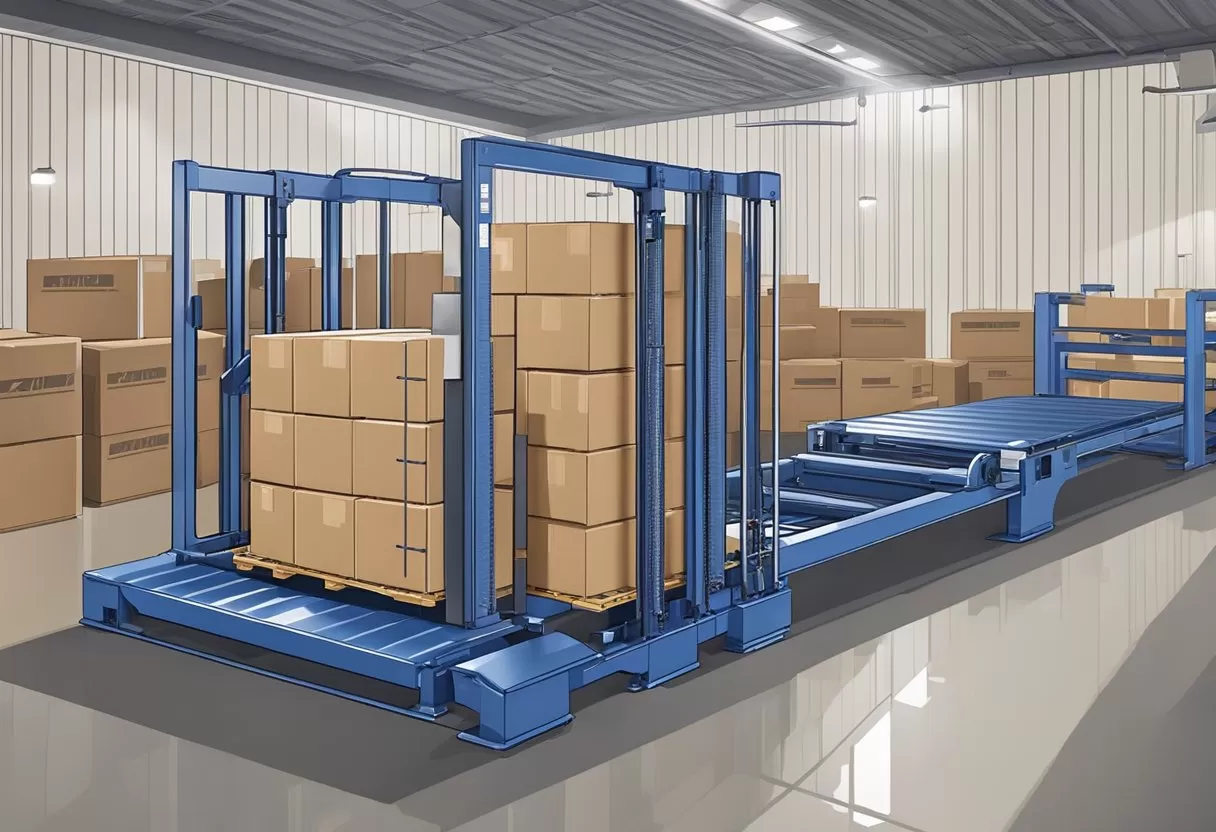
The primary objective of unitizing a pallet is to create a single, cohesive unit from multiple individual cartons or items. This cohesive unit must withstand multidirectional forces during acceleration, braking, cornering, and storage stacking. The differences between manual application and machine wrapping reveal why automation is highly favored in modern distribution centers.
Consistent Containment Force
Containment force is the total compressive pressure exerted by the film layers on the palletized load. Manual wrapping relies entirely on the physical strength and stamina of the warehouse operator. Consequently, pallets wrapped at the beginning of a shift usually have higher containment force than those wrapped at the end of the day. This variability introduces risks during transport. Machine wrapping applies a consistent, pre-set tension across every square inch of the pallet, ensuring that the top, middle, and bottom sections of the load are held together with uniform pressure.
The Role of Film Memory
Modern stretch films are manufactured primarily from Linear Low-Density Polyethylene (LLDPE). This polymer possesses elastic recovery, commonly known as film memory. When a machine stretches the film beyond its original length, the material naturally tries to return to its original state. This continuous elastomeric contraction creates a tight grip around the load. Machine wrapping stretches the film close to its yield point without tearing it, maximizing this elastic recovery. Manual wrapping rarely stretches the film beyond 15% to 20% of its potential, leaving the film loose and unable to utilize its elastic memory.
Material Utilization and Cost Control
In high-volume shipping environments, material waste represents a significant financial drain. Manual operators often over-wrap certain sections of a pallet to compensate for weak areas, leading to excessive material consumption. Automated wrappers use precise film delivery systems that control the exact overlap percentage and tension. This predictability allows procurement teams to calculate exact cost-per-pallet metrics, stabilizing operational budgets and reducing packaging waste.
Core Operational Variables of Stretch Film Machine Use
Achieving successful pallet packaging requires balancing several variables. Adjusting these parameters ensures that different load types are secured without causing product deformation or film failure.
1. Pre-Stretch Ratios
Pre-stretch occurs inside the film carriage before the film is applied to the pallet. The carriage contains two rollers running at different speeds; the second roller spins faster than the first, stretching the film. Pre-stretch ratios typically range from 150% to over 300%. For example, a 250% pre-stretch ratio turns one meter of film on the roll into 3.5 meters of applied film. Correct stretch film machine use relies on matching the pre-stretch capability of the machine with a film grade that can withstand that specific elongation level without breaking.
2. Film Tension (Retention Force)
While pre-stretch happens inside the carriage, film tension is the force applied between the carriage and the pallet as the film is wrapped. If the tension is set too high on a lightweight load, the film can crush the boxes or pull the top layers off-center. Conversely, if the tension is too low, the load will shift during transit. Operators must adjust the wrap pattern settings to apply lighter tension on fragile goods and higher tension on heavy, rigid items like bricks or machinery parts.
3. Gauge Thickness and Film Selection
Selecting the correct film thickness (measured in microns or gauge) depends on the weight and sharp corners of the load.
Cast Film: Produced through a continuous casting process. It offers high clarity, quiet unwind, and excellent gloss, making it suitable for standard barcode scanning through the film.
Blown Film: Created by blowing molten polymer into a large bubble. It has superior puncture resistance and high holding power, making it suitable for heavy, irregular loads with sharp edges, though it is noisier and less transparent.
Using a thin, low-performance film on a high-speed automatic machine leads to frequent tearing and downtime. Youyi manufactures a variety of machine-grade films engineered to handle high pre-stretch demands while maintaining puncture resistance.
4. Load Classification (A, B, and C Profiles)
Logistics professionals classify pallet loads to determine the wrapping setup:
A-Loads: Uniform, rectangular pallets with no protrusions. These are the easiest to wrap and require standard film thickness and moderate containment force.
B-Loads: Slightly irregular pallets with protrusions of up to two inches. These require higher puncture resistance and careful tension control.
C-Loads: Highly irregular, heavy, or sharp-edged pallets. These require heavy-gauge films, custom wrapping patterns, and high tear resistance to prevent structural failure.
Types of Machinery and Their Application Scenarios
The physical structure of the pallet and the volume of daily shipments dictate the type of wrapping machinery needed. Each design offers specific advantages for different operational environments.
| Machine Type | Operating Principle | Best Suited For | Production Volume |
|---|---|---|---|
| Turntable Wrapper | The pallet is placed on a rotating platform while the film carriage moves vertically up and down. | Stable, standard pallet loads of moderate weight. | Low to medium volume (up to 40 pallets/hour). |
| Rotary Arm Wrapper | The pallet remains stationary on the floor while an overhead arm rotates around it to apply the film. | Extremely heavy, very light, or highly unstable loads. | Medium to high volume (45 to 80 pallets/hour). |
| Orbital (Horizontal) Wrapper | The product moves horizontally through a rotating ring that wraps the film around it. | Long items like pipes, timber, metal extrusions, or carpets. | Specialized manufacturing lines. |
In facilities where pallets are light or top-heavy, a turntable machine can cause the top boxes to slide off due to centrifugal force. In these situations, a rotary arm machine is a safer choice because the pallet does not move during the wrapping cycle. This approach keeps the load stable throughout the process.
Resolving Common Operational Bottlenecks
Even with advanced equipment, packaging lines can experience issues that cause downtime and material waste. Addressing these challenges requires adjusting machine settings and selecting the right materials.
Frequent Film Breakage
When film breaks during a cycle, the machine must be paused, re-threaded, and restarted, which slows down production. This issue is often caused by nicks on the edge of the film roll, incorrect pre-stretch settings, or sharp corners on the pallet. If the film is stretching beyond its physical limit, operators should lower the pre-stretch ratio or switch to a high-performance film from Youyi that is designed for high elongation. Additionally, inspecting the pre-stretch rollers for adhesive buildup can prevent friction-induced tears.
Pallet Crushing and Box Deformation
Applying too much tension on lightweight or empty boxes can crush the packaging, damaging the products inside. To prevent this, operators should reduce the carriage tension while maintaining a high pre-stretch ratio. This allows the film to stretch fully inside the carriage and apply a gentle, consistent holding force around the boxes without crushing them.
Film Tail Unraveling
After a pallet is wrapped, the end of the film (the tail) must be secured. If the tail hangs loose, it can trigger automated sensors in warehouses or get caught in forklift wheels, which can unravel the entire wrap. Using automatic cut-and-wipe systems secures the film tail to the pallet, preventing unraveling during storage and shipping.
Best Practices for Material Efficiency and Load Integrity
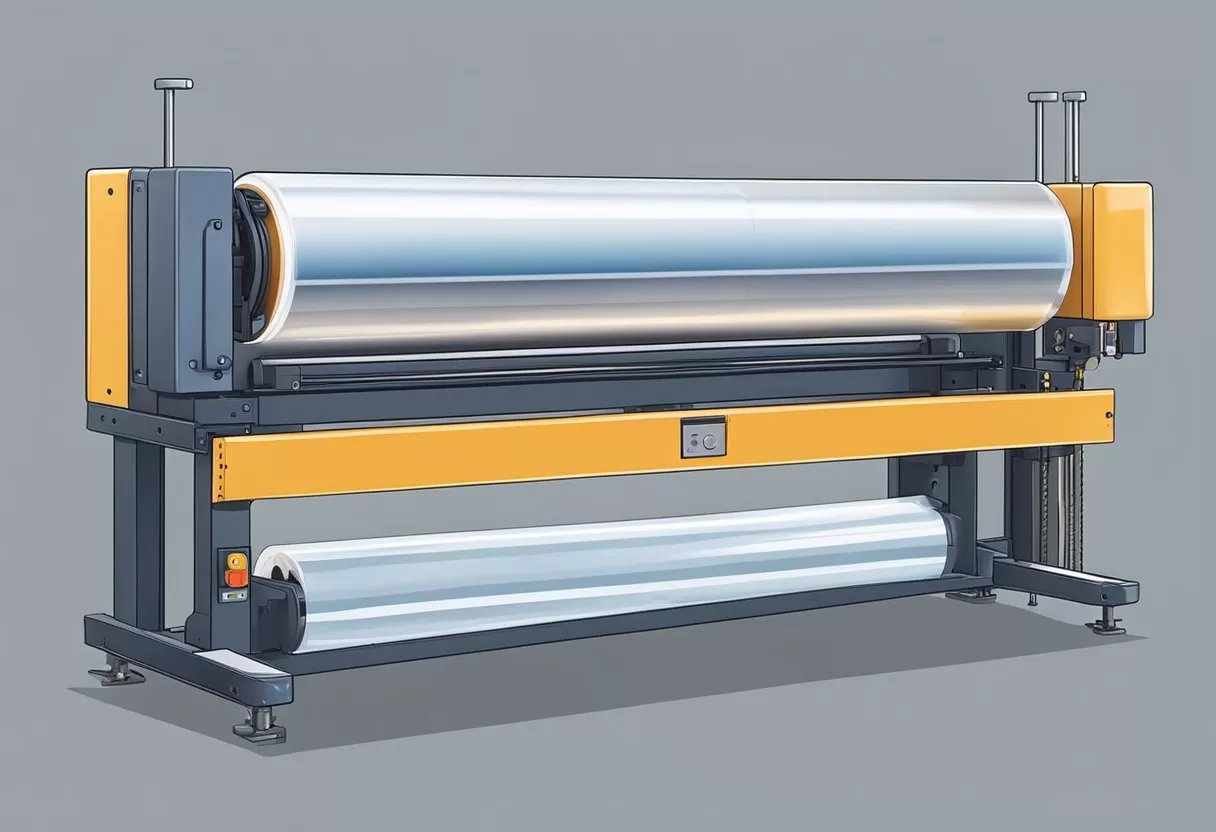
Achieving a reliable wrap pattern requires regular calibration and consistent standard operating procedures. Implementing these practices helps reduce waste and maintain load stability:
Verify the Bottom and Top Wraps: Always apply at least three layers of film to the bottom pallet structure and the top layer of boxes. The bottom wrap anchors the load to the wooden pallet, preventing it from sliding off during transit.
Perform Regular Containment Force Testing: Use a containment force tool to measure the wrap tension at the top, middle, and bottom of the pallet. Conduct these tests weekly to ensure the machine remains properly calibrated.
Monitor Roll Storage Conditions: Store stretch film rolls in temperature-controlled environments away from direct sunlight. Excessive heat can degrade the tackifiers in the LLDPE formula, making the film less adhesive and harder to apply.
By using quality-tested stretch films from Youyi, facilities can maintain consistent packaging standards, reduce machine wear, and ensure their shipments arrive safely at their destinations.
Partner with Youyi for Industrial Packaging Solutions
Selecting the right packaging materials is key to keeping your shipping operations running smoothly. At Youyi, we manufacture high-performance stretch films engineered to run reliably on modern high-speed wrapping machinery. Our products are designed to deliver consistent pre-stretch performance, high puncture resistance, and stable containment force across various pallet profiles.
Our technical team is ready to help you analyze your current packaging setup, identify areas for material savings, and recommend the best film grades for your equipment. Contact us today to request product specifications, order trial rolls, or discuss your industrial packaging requirements. Let us help you secure your supply chain with our dependable manufacturing expertise.
Frequently Asked Questions
Q1: How do I choose between cast and blown stretch film for machine wrapping?
A1: Your choice should depend on your load profile and warehouse environment. Cast film is quiet, clear, and cost-effective, making it ideal for standard, uniform loads where barcode scanning is required. Blown film offers superior tear and puncture resistance, which is necessary for heavy, irregular loads with sharp corners, even though it is louder during application and less transparent.
Q2: Why does the stretch film keep breaking during the pre-stretch process?
A2: Frequent breaks are usually caused by setting the pre-stretch ratio too high for the current film grade, using a film with edge damage, or having worn rollers in the carriage. Lowering the pre-stretch setting, inspecting the rolls for physical damage, or switching to a high-tensile machine film from Youyi can help resolve this issue.
Q3: What is the ideal containment force for a standard 500 kg pallet load?
A3: The target containment force depends on the product type and load stability. Generally, stable, uniform pallet loads weighing around 500 kg require between 10 to 15 lbs (4.5 to 6.8 kg) of containment force at the top, middle, and bottom to prevent shifting during transit.
Q4: Can I use hand-wrap stretch film on an automatic turntable machine?
A4: It is not recommended. Hand films are thinner, have lower pre-stretch limits (often under 20%), and are wound on different core sizes. Using hand film on an automatic machine will lead to immediate tearing and high material waste, as the machine carriage is designed for the higher tension and larger rolls of machine-grade films.
Q5: How does correct stretch film machine use contribute to environmental sustainability?
A5: Machine wrapping reduces plastic waste by utilizing the high pre-stretch capabilities of LLDPE film. By stretching the material up to 250% or more, a machine uses significantly less raw plastic to achieve the necessary containment force compared to manual wrapping, helping facilities lower their overall material consumption.