



Industrial assembly, packaging, and maintenance operations require bonding solutions that can withstand severe mechanical stress, temperature fluctuations, and environmental exposure. Traditional adhesives often fail when applied to textured, dirty, or uneven surfaces. To address these demanding requirements, manufacturing sectors rely heavily on heavy-duty adhesive carriers. Among these, strong adhesion cloth tape serves as an adaptable, high-tensile solution designed for immediate surface grab and long-term holding power.
As a global manufacturer of adhesive products, Youyi designs high-performance tapes that balance structural integrity with cost-efficiency. Understanding the underlying chemistry, construction, and mechanical properties of these tape systems allows procurement professionals and engineering teams to make informed sourcing decisions that minimize operational downtime and material failure.
The Structural Composition of Industrial Cloth Tape
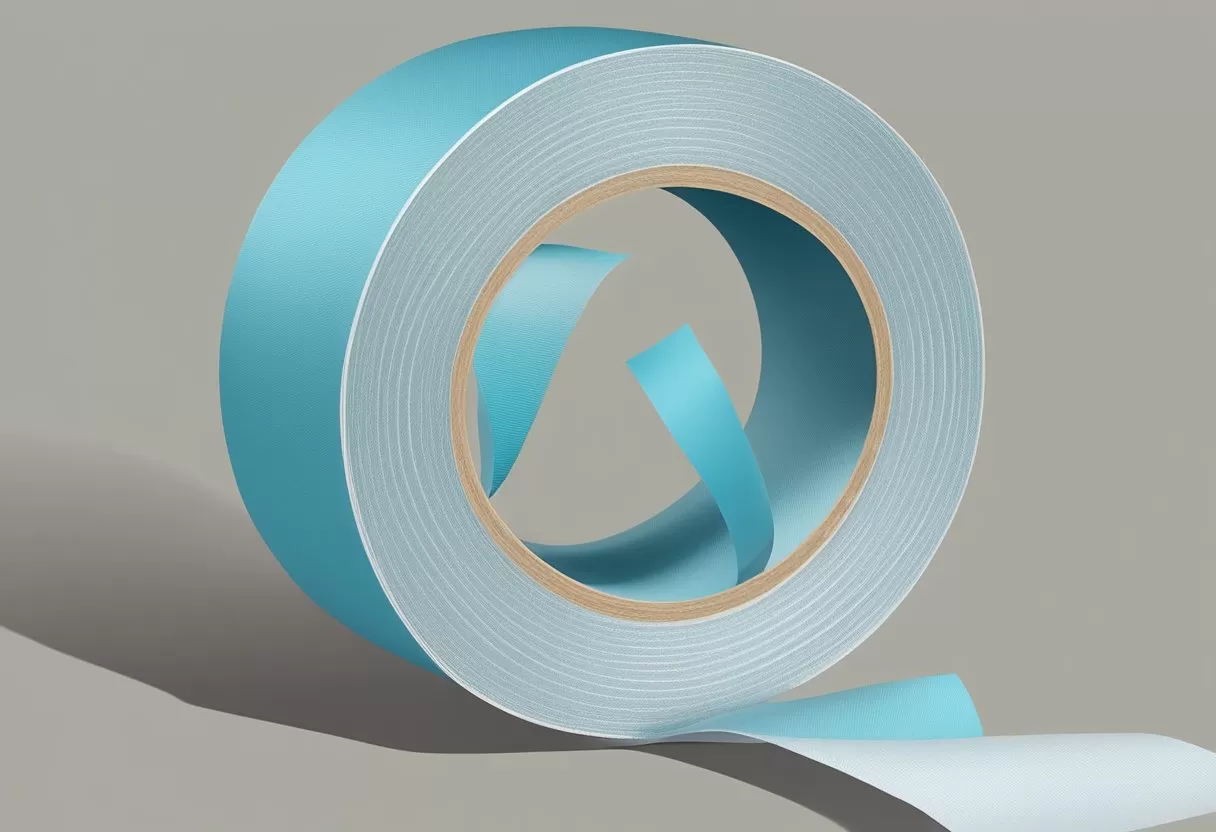
The performance of strong adhesion cloth tape is determined by its multi-layered construction. Each layer is engineered to perform a specific function, contributing to the overall shear resistance, tensile strength, and environmental durability of the finished product.
The tape typically consists of three distinct layers integrated through a specialized co-extrusion or lamination process:
The Release Layer (Outer Coating): A polyethylene (PE) film backing provides the tape with moisture resistance, water impermeability, and protection against abrasion. This polymer barrier ensures that the tape remains functional in humid, wet, or outdoor environments.
The Scrim (Woven Carrier): Embedded beneath the PE film is a woven cloth mesh, usually composed of cotton, polyester, or a synthetic blend. The mesh count—representing the number of threads per square inch—directly governs the tape’s tensile strength and its ability to tear cleanly by hand. A higher mesh count increases mechanical resistance to stretching and breaking under tension.
The Adhesive Matrix: The adhesive system is formulated to deliver rapid wet-out and high tack. Typically based on synthetic or natural rubber compounds, this pressure-sensitive adhesive (PSA) is designed to flow into the microscopic crevices of rough or porous substrates, establishing an immediate and durable bond.
By balancing the ratio of the woven scrim to the thickness of the adhesive coat, manufacturers can fine-tune the tape for specific industrial tasks, ranging from heavy-duty bundling to surface protection during sandblasting operations.
Quantifying Performance: Key Engineering Metrics
When evaluating strong adhesion cloth tape for industrial procurement, subjective terms like "sticky" are insufficient. Procurement engineers must analyze standardized physical properties tested under controlled laboratory conditions to ensure compatibility with their operational needs.
1. Peel Adhesion
Measured in Newtons per inch (N/25mm) or ounces per inch, peel adhesion determines the force required to remove the tape from a standard test plate (typically stainless steel) at a specific angle and speed. Industrial-grade formulations exhibit high peel values, ensuring the adhesive remains anchored to low-surface-energy plastics, concrete, and corroded metals.
2. Shear Adhesion (Holding Power)
Shear adhesion measures the ability of the adhesive to resist continuous sliding forces along the plane of the tape. This metric is vital for vertical mounting applications or when the tape is subjected to constant load. High shear resistance prevents cohesive failure, where the adhesive splits internally under stress.
3. Tensile Strength and Elongation
Tensile strength represents the maximum load the tape can withstand before snapping. This property is determined primarily by the weave density of the cloth scrim. Elongation at break, expressed as a percentage, indicates the tape's elasticity. A low elongation percentage is preferred for strapping and bundling, as it ensures the load remains secure without shifting.
The table below outlines typical specifications for standard versus heavy-duty cloth tapes manufactured by Youyi:
| Performance Metric | Standard Utility Grade | Heavy-Duty Industrial Grade |
|---|---|---|
| Total Thickness (microns) | 150 - 180 | 250 - 300+ |
| Mesh Count (Threads/Inch) | 27 - 35 | 50 - 70+ |
| Peel Adhesion (N/25mm) | ≥ 10 | ≥ 18 |
| Tensile Strength (N/25mm) | ≥ 75 | ≥ 120 |
| Temperature Resistance (°C) | -10 to 60 | -20 to 85+ |
Addressing Common Industry Pain Points
In B2B environments, adhesive failure leads to product damage, safety hazards, and costly operational delays. Standard tapes often fail due to predictable environmental and mechanical challenges. Sourcing a high-quality strong adhesion cloth tape helps mitigate these vulnerabilities.
Substrate Variability and Surface Contamination: Real-world industrial environments are rarely sterile. Dust, oil, moisture, and rough textures prevent standard adhesives from making full contact with the substrate. The high coat-weight of rubber adhesive used in Youyi's premium cloth tapes allows the compound to conform to uneven surfaces, engulfing microscopic debris to maintain bond integrity.
Adhesive Transfer and Residue: While permanent bonding is sometimes required, many industrial processes demand temporary hold followed by clean removal. Lower-tier tapes often experience cohesive splitting, leaving a sticky residue that requires chemical solvents to clean. Advanced cross-linked rubber adhesives provide high anchoring to the tape backing, facilitating clean removal without damaging delicate substrates.
Delamination Under Environmental Stress: Fluctuations in humidity and exposure to UV radiation can degrade the polymer backing of lower-quality tapes, leading to curling, cracking, or loss of adhesion. The UV-stabilized polyethylene backing used in professional-grade cloth tapes resists weathering, maintaining a protective seal over the underlying adhesive layer during prolonged outdoor usage.
Primary Applications Across Key Industries
The versatility of strong adhesion cloth tape makes it a staple material across diverse sectors, including construction, logistics, and manufacturing.
1. Building and Infrastructure Construction
On construction sites, tape must adhere to demanding surfaces such as concrete, brick, drywall, and rough timber. Cloth tape is commonly used for sealing vapor barriers, securing protective floor coverings, and masking heavy masonry during plastering or painting. Its water-resistant backing prevents rain and high humidity from weakening the bond.
2. HVAC and Duct Installation
Sealing sheet metal ducts, joining insulation panels, and securing flexible conduits require reliable adhesion and vibration dampening. Although specialized aluminum foil tapes are common, durable cloth tape is frequently used for structural reinforcement, joint wrapping, and temporary sealing during system testing.
3. Heavy-Duty Logistics and Export Packaging
Standard carton sealing tapes are often insufficient for heavy cargo, overseas shipping crates, or bundle stabilization. High-tensile cloth tape provides the reinforcement needed to secure heavy metal pipes, timber bundles, and irregularly shaped pallets. The high shear resistance prevents shifting during ocean transit and rough handling.
4. Abatement and Surface Remediation
During asbestos or lead paint abatement, containment zones must be sealed hermetically with heavy plastic sheeting. The tape holding these poly-sheets to walls and ceilings must support significant weight and resist peeling under constant negative pressure. The immediate grab of strong adhesion cloth tape ensures containment integrity throughout the project lifecycle.
Sourcing and Customization Strategies for Global Buyers
For procurement managers, choosing the correct tape involves more than selecting a part number from a catalog. Customization allows organizations to optimize tape specifications to match precise operational constraints, balancing performance with material costs.
As an established manufacturer, Youyi offers several customization vectors for volume buyers:
Custom Slitting and Widths: Standard widths like 48mm or 72mm are widely available, but custom applications may require precise narrow slitting or ultra-wide formats. Tailored roll widths eliminate waste and streamline application times.
Adhesive Coat-Weight Adjustment: For highly porous surfaces like rough wood or masonry, increasing the adhesive coat-weight ensures sufficient penetration. For smooth metals, a lower coat-weight with higher shear resistance may be selected to prevent edge bleed.
Color Coding and Branding: Beyond standard silver and black, industrial tapes can be produced in various colors (red, blue, yellow, green, white) for safety labeling, lane marking, and inventory identification. Custom printing on the release backing is also available for corporate branding or safety messaging.
By partnering with a vertical manufacturer like Youyi, B2B buyers gain direct access to material testing data, custom formulation support, and bulk pricing structures that improve supply chain efficiency.
Frequently Asked Questions
Q1: What makes a strong adhesion cloth tape different from standard utility duct tape?
A1: The primary differences lie in the quality of the adhesive formulation, the mesh count of the woven scrim, and the thickness of the polyethylene backing. Industrial-grade tape utilizes a thicker adhesive layer of natural or synthetic rubber, providing higher peel adhesion and shear resistance. This allows it to bond to rough, dirty, and uneven surfaces where utility-grade tapes fail.
Q2: Can this tape be used outdoors for extended periods?
A2: Yes, the polyethylene laminated backing provides water and weather resistance. However, for long-term outdoor applications, UV exposure can eventually degrade standard rubber adhesives. For prolonged outdoor exposure, it is advisable to consult with Youyi to select a tape formulated with UV-stabilized backings and oxidation-resistant adhesive additives.
Q3: How does surface preparation affect the performance of the adhesive?
A3: While these tapes are formulated with a high-tack adhesive designed to penetrate dirty or textured surfaces, proper surface preparation always maximizes bond strength. Removing loose dust, grease, moisture, and rust prior to application ensures optimal contact between the adhesive matrix and the substrate, preventing premature peeling.
Q4: Is the tape hand-tearable, or does it require cutting tools?
A4: Despite its high tensile strength, the woven construction of the internal scrim allows the tape to be torn cleanly by hand in both horizontal and vertical directions. This hand-tearability makes application fast and efficient on-site, eliminating the need for scissors or utility knives during fast-paced assembly or repair tasks.
Q5: What are the shelf life and storage recommendations for high-adhesion tapes?
A5: Generally, the recommended shelf life for rubber-based cloth tape is 12 to 18 months from the date of manufacture. To maintain optimal adhesive performance, rolls should be stored in their original packaging in a cool, dry environment (typically 15°C to 25°C / 60°F to 77°F) away from direct sunlight and high humidity.
Procurement and Supply Inquiry
Selecting the appropriate tape specification is essential for maintaining operational efficiency and product reliability across your supply chain. Youyi works closely with procurement managers, distributors, and industrial end-users to provide reliable adhesive solutions tailored to specific commercial requirements.
Whether you require custom dimensions, specialized adhesive formulations, or high-volume container shipments, our technical sales team is ready to assist. Please contact us to request technical data sheets, obtain product samples for validation testing, or discuss pricing and lead times for your next bulk order.