



In high-demand industrial construction, surface preservation during the curing and painting phases remains a constant operational challenge. Concrete pours, stucco applications, exterior wall coatings, and marine surface treatments require reliable protective sheeting that stays secured under heavy exposure to moisture, UV radiation, and mechanical stress. Standard adhesive products often fail under these conditions, either by lifting prematurely due to moisture or by leaving behind a difficult adhesive residue during removal. To address these vulnerabilities, specialized adhesive solutions have been developed.
Among these specialized solutions, waterproof super cut curing tape has emerged as an industry standard for surface protection. Manufactured by Youyi, this specialized product is engineered to combine dependable adhesion in wet environments with a unique backing structure that allows straight, clean hand-tearing without the need for cutting tools. This balanced design significantly reduces labor time on-site while preventing damage to expensive substrates, offering a robust solution for procurement managers and project supervisors alike.
The Mechanical Structure of Waterproof Super Cut Curing Tape
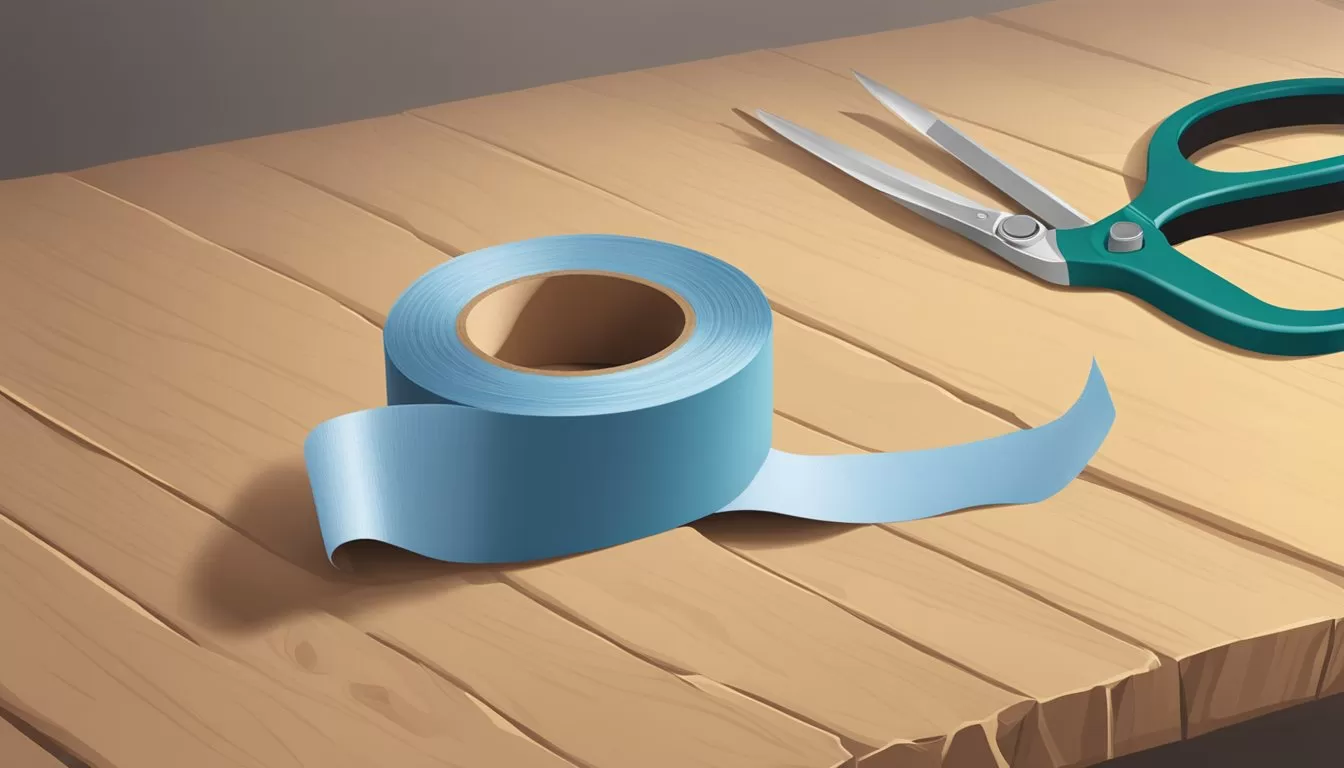
To understand the performance of waterproof super cut curing tape, one must analyze its structural components. Unlike standard masking tapes that rely on paper backings or heavy cloth-duct tapes that use thick woven fibers, this product utilizes a carefully engineered carrier-and-adhesive system designed specifically for harsh environmental exposure.
The Polyethylene (PE) Carrier and "Super Cut" Technology
The primary backing of the tape is made from a specially treated polyethylene (PE) film. This polymer is chosen for its inherent resistance to water, chemical solvents, and physical punctures. The "super cut" feature is achieved by incorporating a micro-embossed pattern or a structured grid during the extrusion process. This pattern creates microscopic lines of weakness across the width and length of the backing material. When a worker applies lateral force, the tape tears cleanly and evenly at a perfect 90-degree angle. This eliminates the jagged edges, stretching, and physical strain associated with tearing standard plastic films by hand.
Pressure-Sensitive Acrylic Adhesive Formulation
On the reverse side of the PE carrier lies a carefully calibrated acrylic-based pressure-sensitive adhesive. The formulation must balance two opposing performance requirements: high initial tack to adhere to rough construction materials (such as concrete, brick, metals, and plastics) and low adhesive build-up over time to ensure residue-free removal. Acrylic chemistry is chosen over natural rubber adhesives because of its superior oxidation resistance, UV stability, and tolerance to wide temperature fluctuations. When applied, the adhesive flows into the microscopic recesses of textured surfaces, creating a complete barrier against water intrusion while maintaining its molecular cohesion so that it pulls away cleanly when peeled.
Addressing Industrial Surface Protection Vulnerabilities
Industrial projects operate under strict schedules where material failures lead directly to expensive delays, rework, and increased labor costs. Conventional tapes present multiple points of failure when deployed in harsh outdoor environments over extended periods.
Moisture Infiltration and Edging Lift: Standard masking or packaging tapes absorb water or lose their adhesive bond when exposed to rain, dew, or humidity. Once the edges lift, moisture and debris penetrate underneath, damaging the protected substrate or causing the protective sheeting to collapse entirely.
UV Degradation and Adhesive Transfer: Sunlight exposure rapidly degrades inferior polymers and rubber adhesives. When left outdoors for even a few days, the backing can become brittle and break apart, leaving baked-on adhesive residue on window frames, panels, or cured surfaces that requires chemical solvents or scraping to remove.
Inefficient Application Speed: In large-scale operations, workers must secure thousands of square meters of protective sheeting. Requiring scissors or knives to cut tape slows down progress, increases the risk of cutting the underlying surface, and raises workplace safety concerns.
Through its dual-action design, waterproof super cut curing tape resolves these vulnerabilities. The impermeable PE backing completely blocks liquid water, protecting the adhesive layer from washing away or emulsifying. The UV-stabilized acrylic adhesive resists cross-linking under sun exposure, allowing the tape to remain applied for several weeks while still ensuring clean, one-piece removal.
Primary Industrial Application Scenarios
The versatile characteristics of waterproof super cut curing tape make it a valuable tool across a variety of demanding industrial sectors. Understanding these applications helps procurement departments select the appropriate material grade for their specific project needs.
Construction and Concrete Curing Processes
During the concrete curing phase, retaining moisture within the concrete slab is necessary to achieve maximum structural design strength. Large plastic sheets are laid over the wet concrete to prevent rapid evaporation. This tape is used to seam these heavy plastic sheets together and seal the perimeter. Its water-resistant properties ensure that the seal remains intact despite the high humidity levels underneath the plastic and the presence of wet concrete or pooling rainwater on top.
Exterior Stucco, Plastering, and Masonry Masking
Stucco and plaster application is a messy, multi-stage process involving highly abrasive and alkaline materials. Window frames, glass doors, and pre-finished metal panels must be protected. The tape is applied directly to these sensitive surfaces to hold protective films in place. Its high chemical resistance prevents the alkaline cementitious mixtures from degrading the adhesive, ensuring the surfaces remain untouched throughout the curing process.
Shipbuilding, Marine Maintenance, and Refits
The marine sector presents some of the most challenging environments for adhesive materials. Salt spray, high wind speeds, and extreme humidity quickly degrade standard products. During shipyard paint operations, steel and aluminum hulls must be masked, and sensitive components must be protected from abrasive blasting. The heavy-duty PE backing of the tape withstands high-pressure overspray and salt air exposure, preserving dry areas from corrosion and moisture during surface preparation.
Performance Parameters for B2B Sourcing Decisions
Procurement teams and quality control managers must evaluate tape based on objective material performance parameters rather than brand names alone. When evaluating Youyi adhesive products, several key specifications should be analyzed to ensure fit-for-purpose utility.
Peel Adhesion (Stainless Steel): This parameter measures the force required to remove the tape from a standard metal surface. For curing and masking applications, a moderate but firm peel adhesion (typically between 5 to 10 N/25mm) is preferred, ensuring secure holding power without risking damage to the underlying paint upon removal.
Tensile Strength and Elongation: The tape must have sufficient tensile strength to withstand tension during mechanical unwinding and application without breaking, while maintaining a low elongation percentage to prevent stretching, which can lead to adhesive deformation.
Weathering and Temperature Resistance: High-quality curing tapes should maintain their physical integrity across a wide temperature range (typically from -10°C to 60°C) and offer certified UV resistance for up to 14 or 30 days of outdoor exposure.
Operational Best Practices for On-Site Use
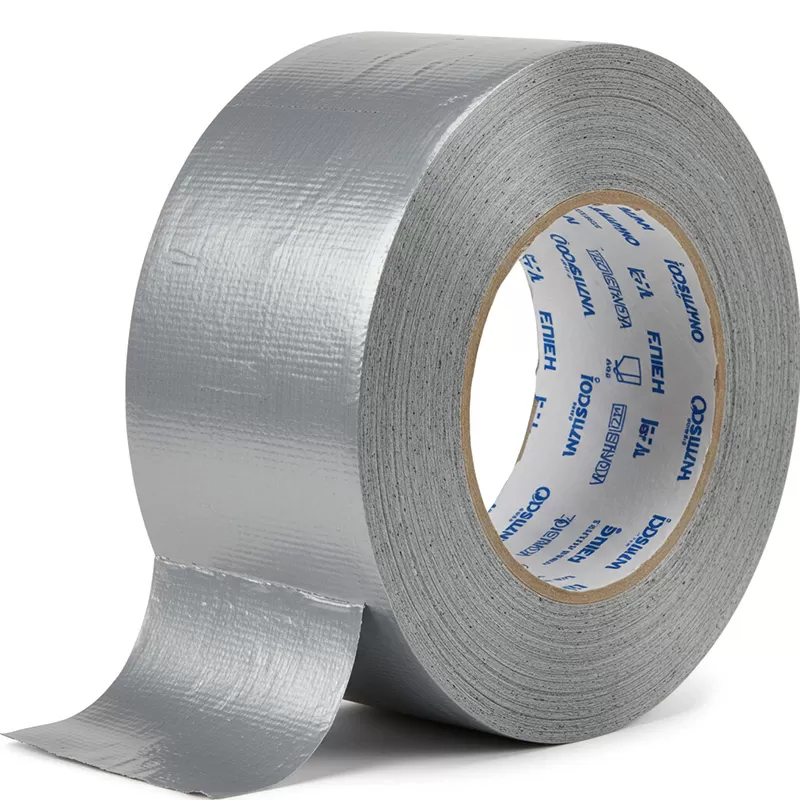
To maximize the performance of waterproof super cut curing tape and avoid any unexpected application issues, field teams should follow standardized application protocols.
Surface preparation is the first step in ensuring a reliable bond. Although the adhesive is designed to handle challenging conditions, applying it to surfaces that are completely covered in loose dust, heavy oil, or standing puddles will reduce the initial contact area. Surfaces should be quickly wiped down to remove loose debris before application. When applying the tape, firm pressure should be applied across the entire width using a rubber roller or hand pressure to activate the pressure-sensitive adhesive and ensure intimate contact with the substrate.
Removal technique is equally important for preserving the underlying material. The tape should be pulled back smoothly at an angle between 90 and 180 degrees relative to the surface. Yanking the tape too fast or removing it at a sharp outward angle can stress both the adhesive and the substrate, increasing the risk of paint peeling on older or poorly prepared surfaces. For outdoor applications, removal should occur within the manufacturer's specified UV-exposure window to guarantee a clean, residue-free finish.
Frequently Asked Questions
Q1: What makes "super cut" curing tape different from standard PE protective films?
A1: Standard PE protective films typically require a cutting tool or considerable force to tear, which can stretch the plastic and deform the adhesive layer. Waterproof super cut curing tape features an engineered micro-textured backing that allows the user to tear it perfectly straight by hand, saving labor time and eliminating the safety risks of using utility knives on-site.
Q2: Can this tape be applied directly to delicate or newly painted surfaces?
A2: While the acrylic adhesive is designed for clean removal, applying any strong adhesive tape to newly applied paint that has not fully cured can lead to paint lifting. It is recommended to allow newly painted surfaces to cure completely according to the paint manufacturer's instructions before applying the tape, and to perform a small patch test in an inconspicuous area first.
Q3: How long can waterproof super cut curing tape be left outdoors under direct sunlight?
A3: Youyi formulations are engineered with UV inhibitors that allow the tape to be cleanly removed after outdoor exposure for up to 14 to 30 days, depending on the specific product grade and localized UV index. For precise project windows, consult the product specification sheet for your chosen grade.
Q4: Is the adhesive layer resistant to chemical solvents and wet mortar?
A4: Yes, the cross-linked acrylic adhesive formulation provides high resistance to water, mild chemical solvents, and alkaline substances commonly found in wet mortar, stucco, and concrete slurries. The impermeable PE backing protects the adhesive layer from chemical exposure from the top side.
Q5: What are the storage requirements to prevent the tape from losing its adhesive properties?
A5: The tape should be stored in its original packaging in a cool, dry environment, ideally at temperatures between 15°C and 25°C and with a relative humidity of 50%. It should be kept away from direct sunlight, heaters, and contact with damp floors to preserve its shelf life, which is typically 12 to 18 months from the manufacturing date.
Partner with Youyi for Custom Industrial Solutions
For large-scale construction projects, industrial manufacturing, and global distribution, securing a reliable supply of high-performance adhesive materials is essential to operational success. Youyi offers a comprehensive selection of waterproof super cut curing tape manufactured to international quality standards, available in custom widths, lengths, and colors to meet your specific project requirements.
Our engineering and production teams work closely with procurement managers to supply bulk orders that match exact project specifications, complete with detailed material datasheets and performance guarantees. To request a quotation, order product samples, or discuss custom manufacturing specifications for your upcoming projects, please submit your inquiry to our B2B sales department today.