




For infrastructure managers, roofing contractors, and pipeline engineers, the choice of sealing materials directly determines the longevity and reliability of a project. Among the various options available, water leak butyl tape has emerged as a preferred solution for permanent waterproofing and joint sealing. This synthetic rubber-based tape offers a unique combination of adhesion, flexibility, and durability that sets it apart from conventional sealants. This article provides a technical examination of butyl tape's composition, its role in solving common industry sealing failures, and the criteria for selecting a high-performance product for critical applications.
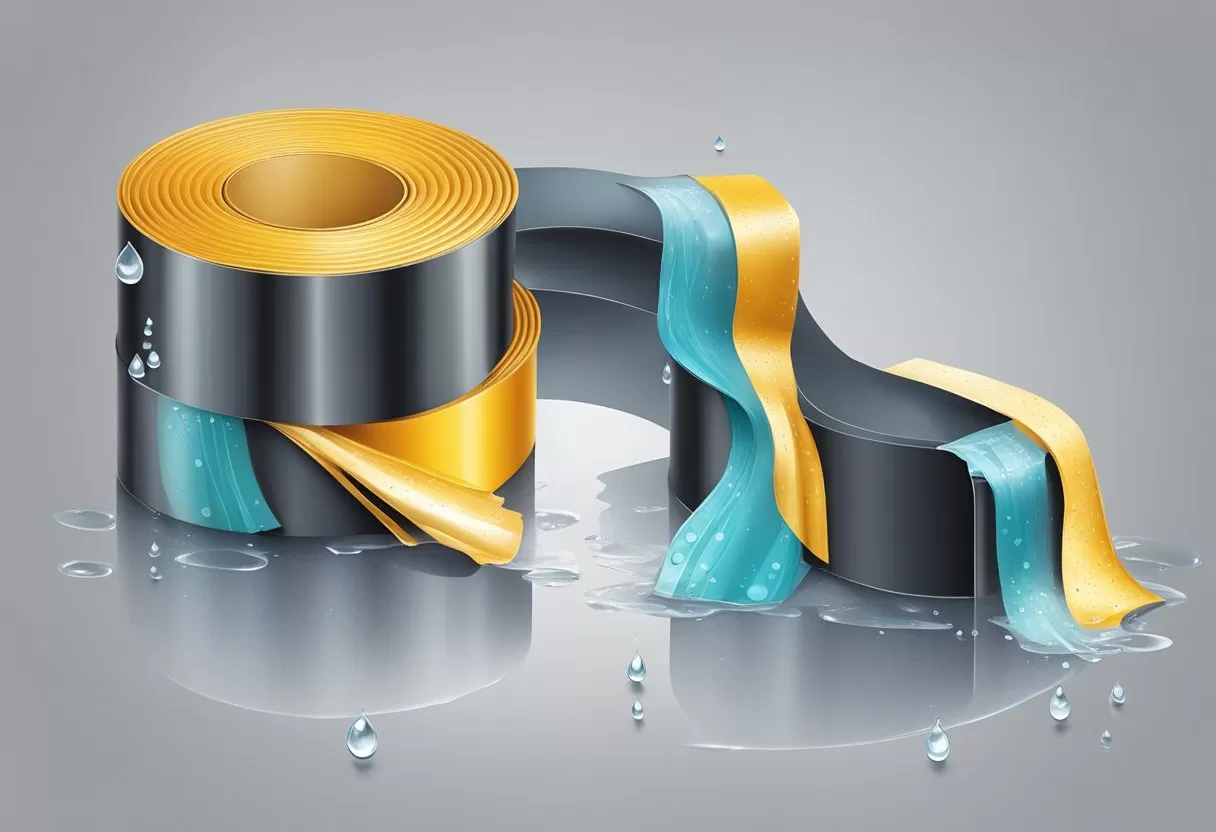
Material Composition and Physical Properties of Water Leak Butyl Tape
Understanding the material science behind water leak butyl tape is the first step toward effective specification. Butyl rubber is a copolymer of isobutylene and isoprene, which gives the tape its characteristic impermeability to gases and moisture. Manufacturers like Youyi have refined the formulation to include specific tackifiers, plasticizers, and reinforcing fillers that enhance performance without compromising the base polymer's integrity.
Key Physical Attributes
Adhesion strength: The tape exhibits aggressive tack on contact with most substrates, including metals, plastics, glass, and concrete. This initial grab is essential for rapid installation in field conditions.
Elastic memory: Butyl tape retains its shape after compression, allowing it to accommodate thermal expansion and contraction cycles without losing the seal.
Water vapor transmission rate: The material has an exceptionally low WVTR, measured in perm units, which directly correlates to its long-term resistance to moisture ingress.
Temperature range: Standard formulations remain serviceable from -40°C to 120°C, with specialized grades extending this range for extreme environments.
These physical properties translate directly into real-world sealing performance. A tape that cannot maintain adhesion under fluctuating temperatures or that becomes brittle with age fails to meet the demands of critical infrastructure protection.
Industry Pain Points Addressed by Butyl Tape Sealing
Field failures in sealing systems often originate from three interrelated issues: substrate contamination, movement accommodation, and accelerated aging. Traditional sealants like silicone or polyurethane address some of these concerns but introduce others. For instance, silicone's low surface energy makes it prone to dirt pickup and subsequent adhesion loss, while polyurethane's sensitivity to moisture during curing can lead to foaming and voids.
Water leak butyl tape circumvents these problems through its solventless, pressure-sensitive nature. There is no curing reaction to be disrupted by humidity or temperature, and the tape's viscoelastic flow allows it to wet out irregular surfaces effectively. This characteristic is particularly valuable when sealing corrugated metal roofing, where the substrate profile presents a continuous challenge to uniform sealing.
Another persistent industry headache is the performance gap between laboratory test results and field performance. Accelerated weathering tests often fail to capture the combined effects of UV exposure, chemical attack, and mechanical stress that occur simultaneously in service. Butyl tape's resistance to oxidation and its self-healing properties — where the material flows into small defects under pressure — provide a safety margin that other sealants lack.
Primary Application Scenarios for Water Leak Butyl Tape
The versatility of water leak butyl tape extends across multiple industrial segments, each with distinct performance requirements. The following sections detail the most common applications and the specific challenges they present.
Roofing and Building Envelope
In commercial roofing, the tape serves as a flashing material for penetrations, parapet caps, and seam sealing for single-ply membranes. The key requirement here is long-term weatherability — the tape must resist UV degradation while maintaining adhesion to diverse substrates including TPO, PVC, and EPDM. The Youyi roofing-grade tapes incorporate UV stabilizers and a cross-linking agent that gradually increases bond strength over the first 72 hours post-installation.
Pipe and Pipeline Sealing
For buried or above-ground pipelines, the tape provides a corrosion-protective barrier at joint connections and fittings. The material's high dielectric strength is an added benefit, preventing galvanic corrosion between dissimilar metals. Pipeline engineers value the tape's ability to conform to irregular weld seams and fittings, areas where liquid-applied coatings often thin out or pinhole.
HVAC and Mechanical Systems
In HVAC ductwork, the tape seals longitudinal seams and transverse joints against air and moisture leakage. The application demands a material that remains flexible at low temperatures yet does not soften excessively at operating temperatures. The water leak butyl tape grade for HVAC applications typically incorporates a higher molecular weight polymer to enhance creep resistance under sustained load.
Marine and Waterfront Structures
The marine environment introduces a unique set of stressors: constant moisture, salt spray, and biological growth. Butyl tape used in these settings requires an antimicrobial additive and enhanced resistance to hydrolysis. The tape's primary function here is sealing deck-to-hull joints, window frames, and through-hull fittings, where water intrusion can lead to structural degradation.
Performance Metrics and Quality Assurance
Specifying water leak butyl tape without reference to performance standards leaves the selection process to chance. Reputable manufacturers, including Youyi, adhere to internationally recognized test methods to validate their products. The following metrics provide a basis for comparison and quality verification.
Peel Adhesion
Measured according to ASTM D3330, peel adhesion quantifies the force required to remove the tape from a standard substrate at a specified angle and speed. A minimum value of 25 N/25mm is considered acceptable for most building applications, though critical infrastructure may require higher values. The peel adhesion test also reveals the failure mode — cohesive versus adhesive — which indicates whether the tape's internal strength or its surface bonding is the limiting factor.
Shear Strength
ASTM D3654 measures the tape's resistance to static shear, simulating the sustained loads that a seal might encounter in vertical or overhead installations. This test is particularly relevant for applications where the tape supports a physical load, such as sealing around heavy pipe hangers.
Water Immersion Resistance
Extended immersion testing, often conducted for 30 or 90 days, evaluates the tape's resistance to blistering, adhesion loss, and dimensional change. The test conditions typically include elevated temperatures to accelerate the aging process. A high-quality water leak butyl tape should show less than 5% loss in adhesion after these exposure periods.
Accelerated Weathering
QUV or Xenon-arc testing simulates the effects of sunlight, moisture, and temperature cycling. The test duration of 2000 hours is generally considered equivalent to 5-10 years of natural weathering, depending on the geographic location. The tape's properties after weathering should remain within 80% of the original values to be considered suitable for long-term installations.
Installation Methodologies for Maximum Seal Integrity
The performance of water leak butyl tape is intimately tied to the quality of installation. Even the finest tape cannot compensate for poor surface preparation or improper application techniques. The following best practices are derived from field experience and manufacturer recommendations.
Surface Preparation
Substrate cleanliness is paramount. Surfaces must be free of dust, oil, grease, and loose rust or paint. Solvent wiping with a fast-evaporating cleaner like isopropyl alcohol or MEK is the standard procedure, followed by a drying period of at least 15 minutes. For porous substrates like concrete, a primer may be necessary to seal the surface and provide a stable base for the tape's adhesive.
Application Temperature
The tape's tack is temperature-dependent. Optimal application occurs between 10°C and 40°C. Below this range, the adhesive becomes stiff and may not wet out the substrate fully; above it, the tape may become too soft, leading to deformation during roll-out. When conditions fall outside this range, pre-warming the tape rolls or using a heat gun on low setting can restore workability.
Rolling Pressure
Applying uniform pressure with a hand roller or rubber mallet ensures that the tape conforms to the substrate and expels trapped air. The pressure should be sufficient to cause the tape to flow into surface irregularities without extruding excessively from the edges. A rule of thumb is to apply pressure equivalent to 2-3 kg per linear centimeter of tape width.
Overlap and Splicing
For long runs, the tape sections should overlap by a minimum of 50mm, with the overlap direction oriented to shed water away from the joint. Splicing at low points or in areas of potential water ponding is discouraged; if unavoidable, the splice should be covered with a patch of wider tape.
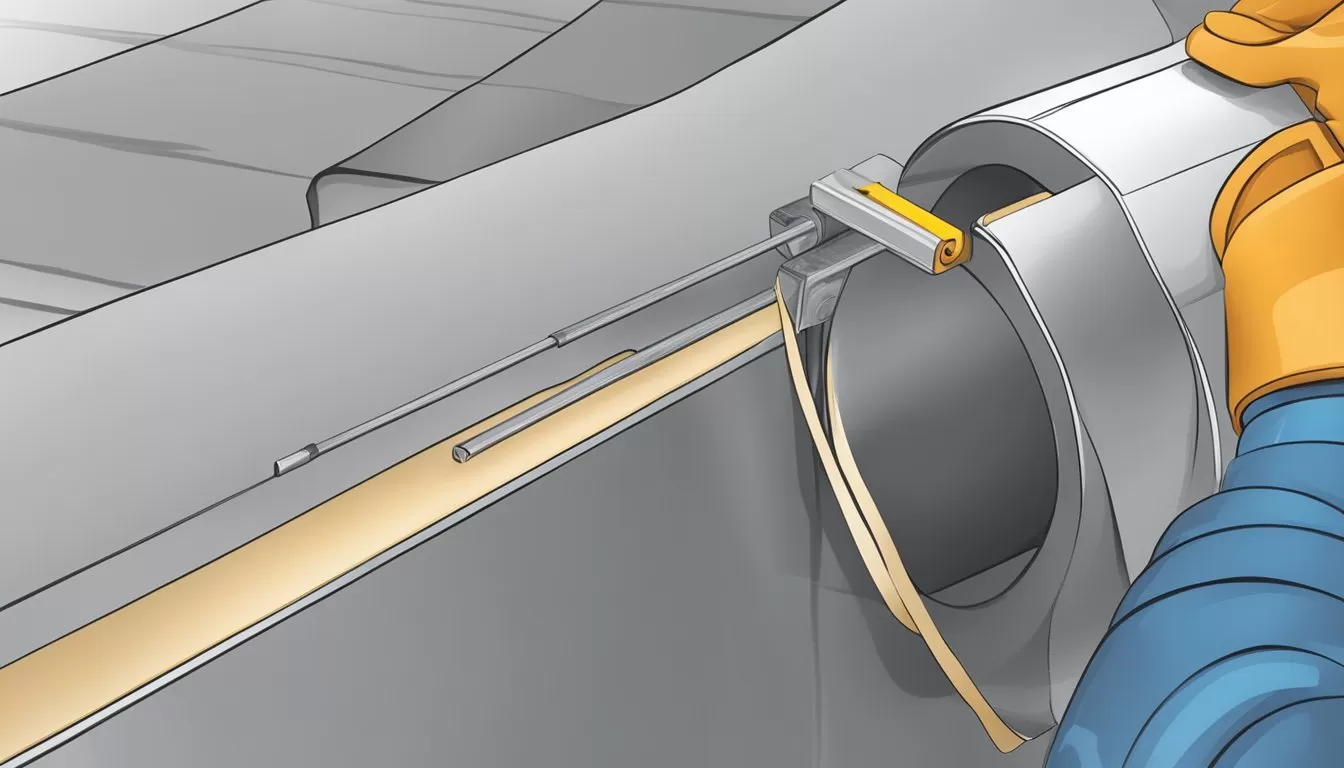
Long-Term Performance and Maintenance Considerations
A well-installed water leak butyl tape system can provide service for 20 years or more with minimal maintenance. However, periodic inspections are recommended to identify any signs of distress, such as edge lifting, blistering, or changes in the tape's surface appearance. These conditions can indicate underlying issues like moisture vapor drive or chemical attack from the environment.
The tape's self-healing capacity is one of its most valuable long-term assets. Small cuts or abrasions that occur during service can seal themselves under the combined effects of pressure and temperature cycling. This behavior is unique among sealing materials and reduces the risk of catastrophic failure from minor damage.
When removal or replacement becomes necessary, the tape's solvent-free composition simplifies the process. Heat application can soften the adhesive, allowing for clean removal without leaving tenacious residue. This characteristic is a significant advantage over silicone or polyurethane sealants, which often require mechanical abrasion for removal.
Selecting a tape from a manufacturer with a robust quality management system, such as Youyi, ensures consistent product performance. The company's ISO 9001 certification and in-house testing laboratory provide traceability and quality assurance from raw material to finished product.
Frequently Asked Questions About Water Leak Butyl Tape
Q1: What is the shelf life of water leak butyl tape, and how should it be stored?
A1: In unopened, original packaging stored in a cool, dry place away from direct sunlight, water leak butyl tape typically has a shelf life of 24 months. The storage temperature should remain between 5°C and 35°C. Elevated temperatures accelerate the migration of plasticizers and can reduce the tape's tack and cohesion over time.
Q2: Can water leak butyl tape be applied to wet or damp surfaces?
A2: While the tape's adhesive system is designed to tolerate trace moisture, application to visibly wet surfaces is not recommended. The presence of bulk water prevents intimate contact between the tape and the substrate, leading to voids and compromised seal. For emergency repairs in damp conditions, surface drying with a heat gun or absorbent cloth is advised.
Q3: How does water leak butyl tape compare to liquid-applied sealants?
A3: The tape offers immediate sealing capability without curing time, and its thickness provides a controlled, consistent sealant layer. Liquid sealants can be applied to complex geometries but require precise mixing and application techniques. For field repairs and installations where time and consistency are critical, water leak butyl tape provides a significant operational advantage.
Q4: Is water leak butyl tape suitable for potable water contact?
A4: Standard butyl tape formulations are not certified for potable water contact. For applications involving drinking water, manufacturers offer NSF-61 certified grades that use food-grade ingredients and have undergone specific leaching tests. This should be specified at the procurement stage.
Q5: What is the maximum gap size that water leak butyl tape can effectively seal?
A5: For a single layer of tape, the effective gap coverage is approximately 3-5mm, depending on the tape thickness and application pressure. Larger gaps require the use of thicker tape grades or the installation of a backer rod to provide a base for the tape. Multi-layer applications can extend this range, but engineering judgment should be applied for gaps exceeding 10mm.
Q6: Does butyl tape require a primer on all substrates?
A6: Primers are generally not required for clean, non-porous substrates such as metals, glass, and most plastics. For porous materials like concrete, brick, or wood, a primer is recommended to seal the surface pores and improve adhesion. The primer should be compatible with the tape's formulation; using an incompatible primer can degrade the bond.
Q7: How is water leak butyl tape removed if a repair is needed?
A7: The tape can be removed by cutting through the material and peeling it back, using heat to soften the adhesive if necessary. Any remaining adhesive residue can be removed with a citrus-based solvent or isopropyl alcohol. The surface should then be prepared as for a new installation before applying fresh tape.
For detailed specifications, custom sizing, or project-specific technical support, contact the Youyi sales engineering team with your requirements. Our technical staff can assist with material selection, installation guidance, and performance verification for your sealing applications.