




Die-cutting and label converting operations are judged by throughput, precision, and continuity. In high-speed production environments, the mechanical process of separating waste material from the finished product represents a common operational bottleneck. When the matrix breaks or fails to lift cleanly, the entire production line must be stopped, leading to lost materials and decreased output. Choosing an appropriate waste discharge tape is a fundamental factor in maintaining continuous run-times and ensuring clean matrix removal.
Industrial converters handle a diverse range of substrates, including papers, films, and complex laminates with varying surface energies. Each material behaves differently under the mechanical stress of stripping. Youyi has analyzed these dynamics to develop adhesive solutions that address the specific physical demands of matrix removal, allowing manufacturers to maintain consistent processing speeds without unexpected interruptions.
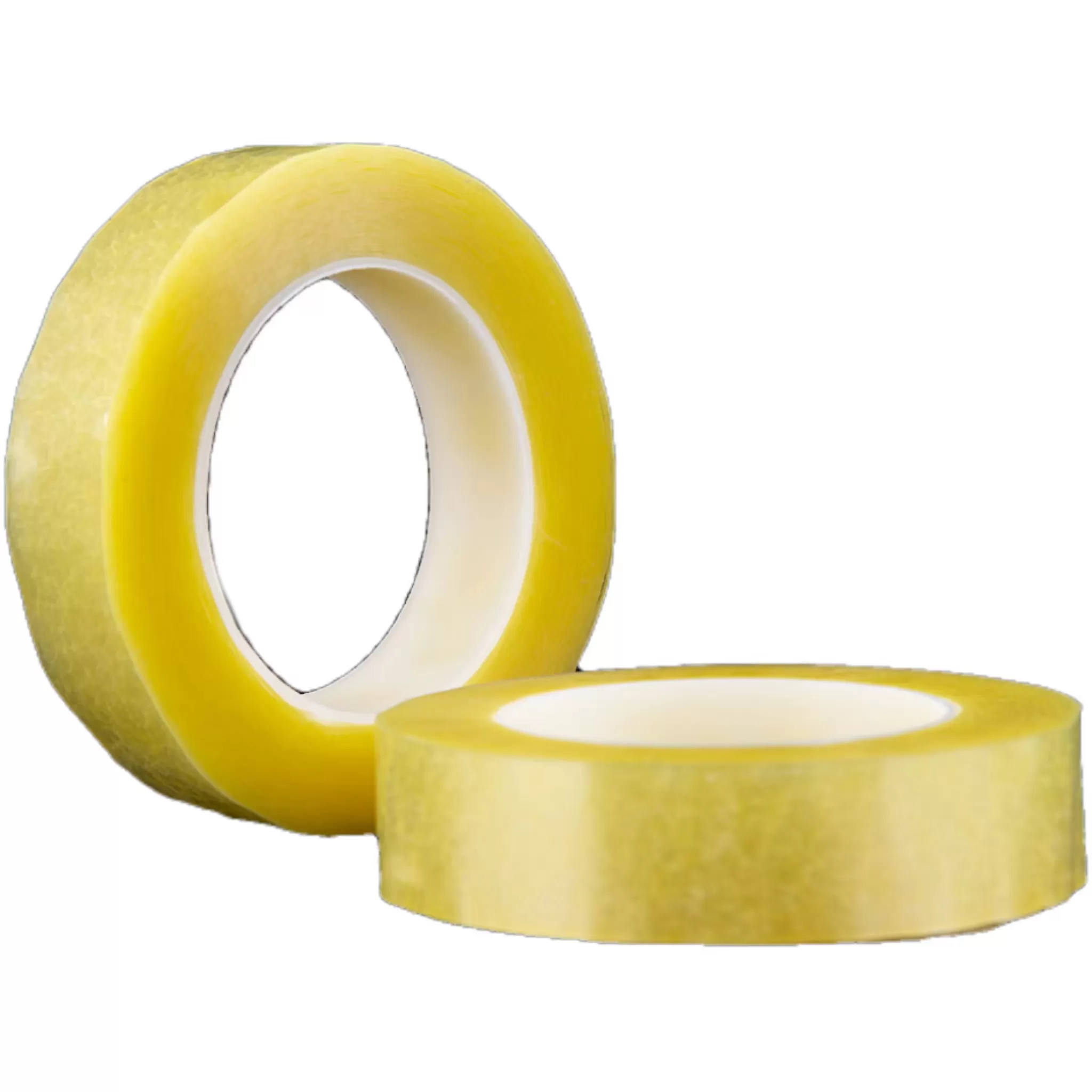
The Mechanics of Matrix Stripping in High-Speed Converting
The stripping process relies on a delicate balance of physical forces. During label converting or rotary die-cutting, a matrix—the web of waste material left around the cut shapes—must be pulled away from the release liner. Because this waste web can be thin, intricate, or physically weak, pulling it directly can cause it to snap under tension. A specialized waste discharge tape is applied to the edge of the matrix to provide mechanical reinforcement and a reliable anchor point for the pulling mechanism.
For this process to function without failure, the adhesive on the waste discharge tape must bond instantly to the matrix surface. This immediate bond, known as quick stick or initial tack, is necessary because the contact time between the tape and the waste web is often a fraction of a second. Once bonded, the tape must possess sufficient tensile strength to withstand the continuous pulling force exerted by the stripping assembly. If the tape stretches or shears, the tension profile changes, which can lead to misalignment or tearing.
The angle of separation also influences the forces at play. Typically, the matrix is stripped at an angle ranging from 90 to 180 degrees. As the peeling speed increases, the resistance of the matrix increases, putting more stress on the adhesive interface. A failure in adhesive cohesion can cause the tape to delaminate from the matrix, leaving the waste web behind on the liner. This highlights why high-performance tape properties are needed to handle dynamic mechanical stresses during high-speed runs.
Common Challenges in Waste Matrix Removal
Converters encounter several distinct issues during waste removal, most of which stem from mismatching the adhesive tape with the production variables. Recognizing these challenges helps production managers identify the root causes of line stoppages.
Matrix Breakage and Tensile Failure
Matrix breakage frequently occurs when converting fragile paper face stocks or thin film liners. If the tension applied to pull the waste web exceeds the material's tensile limit, the web tears. A properly specified waste discharge tape distributes the pulling force evenly across the width of the web. This reduces localized stress concentrations, preventing micro-tears from propagating into complete web breaks.
Adhesive Slippage and Poor Initial Wet-Out
Many modern labels and flexible packaging components use siliconized coatings or low-surface-energy films to facilitate easy release. However, these coatings can migrate or make it difficult for standard tapes to adhere. If the waste discharge tape cannot wet out the surface of the matrix immediately upon contact, slippage occurs. The tape peels off the waste matrix instead of lifting it, causing immediate system jams.
Adhesive Transfer and Roll Contamination
Some tapes utilize aggressive adhesives that bond well but lack internal cohesive strength. Under the high temperatures and pressures common in converting machinery, these adhesives can shear, leaving sticky residues on the metal rollers, idlers, or the finished product. This residue attracts dust and paper fibers, creating abrasive surfaces that can scratch subsequent materials or cause backing paper to wrap around the rollers.
Key Material and Structural Specifications
To select the correct waste discharge tape, engineers must evaluate several physical properties of the tape's backing and adhesive formulation. Youyi designs these products using precise material standards to meet specific operational demands.
Carrier Material: Polyester (PET) films are widely used due to their high dimensional stability and tensile strength. PET resists stretching even under high tension, which prevents registration errors. For lighter-duty applications, reinforced flatback paper carriers offer a more cost-effective alternative with sufficient rigidity.
Adhesive Base: High-tack acrylic adhesives provide excellent resistance to temperature variations and aging, making them suitable for long-term storage and variable climate conditions. Synthetic rubber adhesives, on the other hand, offer higher immediate tack and bond strength on difficult, non-polar surfaces.
Thickness: Carrier and adhesive thickness must be matched to the weight of the matrix. Thicker adhesive layers can conform better to textured or uneven waste webs, while thinner profiles are suited for flat, smooth filmic matrices.
Elongation at Break: A low elongation percentage ensures that the tape transfers the pulling force directly to the matrix without absorbing energy through stretching, which helps maintain constant web tension.
Analyzing Tape Performance on Varied Substrates
Substrate composition dictates the adhesive requirements for successful matrix stripping. Paper-based matrices behave differently than synthetic polymers, requiring distinct adhesive performance profiles.
| Substrate Type | Surface Characteristics | Primary Risk Factor | Adhesive Requirement | |
|---|---|---|---|---|
| Uncoated Paper | Porous, fibrous, highly absorbent | Fiber tear, low tensile strength | Moderate tack, deep fiber penetration | High-shear acrylic |
| Polyethylene (PE) / Polypropylene (PP) | Non-porous, low surface energy | Adhesive slippage, clean peeling | Very high initial tack, rapid wet-out | Modified rubber or high-performance acrylic |
| Textured / Embossed Foils | Uneven profile, low contact area | Incomplete bonding, spot failure | Thicker adhesive layer for gap filling | Heavy-coat acrylic |
When working with filmic liners, the high elasticity of plastic films can absorb tension, requiring a waste discharge tape with high cohesive strength to ensure the peeling energy is directed entirely at the separation line. Conversely, when processing delicate paper labels, an adhesive that is too aggressive can pull fibers from the face stock, causing dust contamination. A balanced peel adhesion value is necessary to lift the paper matrix cleanly without destroying its structure.
Improving Efficiency Through Tension Management
While adhesive formulation is key, mechanical setup also plays a major role in waste stripping success. Inconsistent tension across the web is a primary cause of matrix failure. If the tension is too high, the matrix will snap; if it is too low, the waste web will sag and wrinkle, preventing clean contact with the waste discharge tape.
Implementing reliable tension control systems on the waste unwind and wind-up stations helps maintain a constant load. The waste discharge tape must unwind smoothly from its roll without jerking. Unwind tension that fluctuates can cause the tape to slip or apply uneven pressure to the matrix. Youyi designs its tape rolls with controlled unwind values to ensure a smooth, predictable release from the roll, contributing to overall system stability.
Additionally, the positioning of the application roller is important. The tape should be applied immediately prior to the stripping point. This minimizes the time the matrix is under un-reinforced tension, reducing the opportunity for pre-stripping tears. The nip pressure at the application point must be sufficient to wet out the adhesive without crushing the die-cut parts beneath.
The Youyi Approach to Quality Manufacturing
As a global supplier of industrial adhesive tapes, Youyi maintains strict manufacturing standards to ensure consistency across batches. A variation in adhesive thickness or carrier tensile strength can lead to unpredictable behavior on the converting line. By utilizing advanced coating lines and precise quality control systems, Youyi ensures that every roll of waste discharge tape performs consistently under industrial conditions.
Our research and development processes focus on balancing adhesive peel values with cohesive shear resistance. This ensures that when the tape grabs the waste matrix, it holds firm under high dynamic load without shearing or leaving adhesive residue on machinery components. This reliability helps converters run their machines at higher speeds, directly improving plant productivity and reducing waste.
Storage and Handling Practices for Industrial Tapes
Environmental conditions during storage can alter the performance characteristics of pressure-sensitive tapes. High temperatures can soften adhesives, causing them to bleed from the sides of the roll or lose cohesive strength. Extremely cold conditions can temporarily harden adhesives, reducing their initial tack and making them prone to slipping during application.
To preserve tape properties, rolls should be stored in a climate-controlled area with temperatures maintained between 15°C and 25°C, and relative humidity around 50%. Tapes should be kept in their original packaging to protect them from dust and UV light exposure, which can degrade the polymer structure of both the carrier and the adhesive. Utilizing older stock first through a strict First-In, First-Out (FIFO) inventory system prevents performance degradation related to aging.
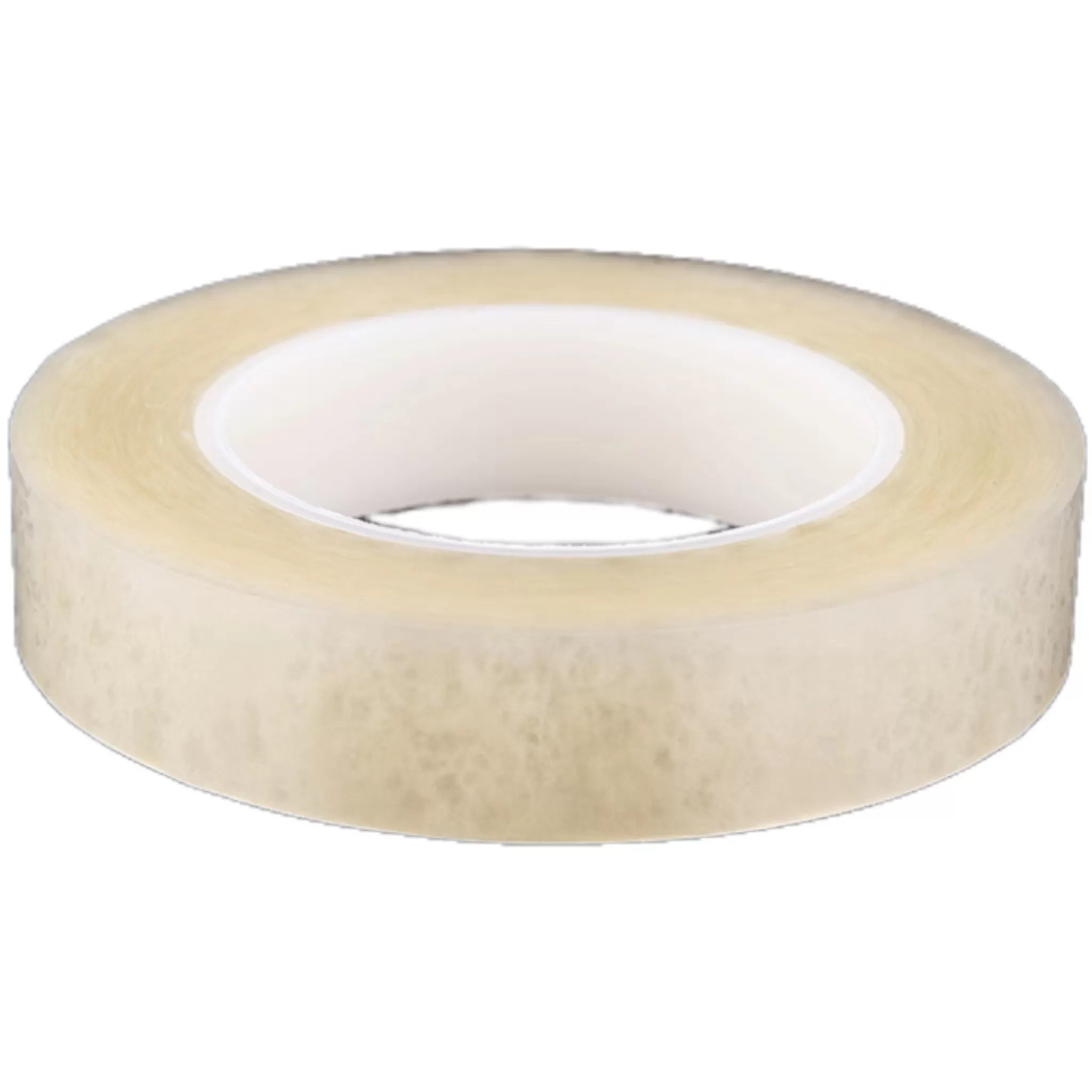
Key Troubleshooting Guide for Converters
When issues arise during production, quick diagnosis is necessary to minimize downtime. The following troubleshooting steps address common symptoms observed on the factory floor:
Symptom: Tape peels off the matrix without lifting it.
Check: Verify if the matrix has silicone contamination or low surface energy. Consider increasing nip roller pressure or switching to a waste discharge tape with a higher-tack rubber adhesive.Symptom: The matrix snaps repeatedly at the stripping point.
Check: Evaluate the unwind tension of the stripping web. If tension is correct, the stripping angle may be too sharp. Reducing the angle or using a stronger PET-backed tape can help distribute the load.Symptom: Sticky residue builds up on the idle rollers.
Check: This indicates adhesive shear failure. The operating temperature may be too high, or the tape's adhesive may lack cohesive strength. Switch to a high-cohesion acrylic adhesive tape.Symptom: The tape breaks during high-speed startup.
Check: Inspect the edges of the tape roll for nicks or damage acquired during handling. A small cut on the tape edge can act as a stress concentrator, leading to a break under initial tension.
Frequently Asked Questions
Q1: Why does waste discharge tape performance vary between summer and winter?
A1: Temperature variations alter the viscoelastic properties of pressure-sensitive adhesives. Cold winter temperatures reduce the adhesive's ability to flow and wet out the matrix substrate quickly, resulting in lower initial tack. Warm summer conditions can soften the adhesive, reducing its internal cohesive strength and potentially causing adhesive transfer or slippage. Storing and using the tape in a temperature-controlled environment helps mitigate these seasonal variations.
Q2: Can I use the same waste discharge tape for both paper and filmic labels?
A2: While some versatile tapes perform adequately on multiple surfaces, filmic labels (such as PE or PP) typically require an adhesive with higher tack and rapid wet-out characteristics due to their non-polar, low-surface-energy nature. Paper labels, being more porous, can often be processed with standard high-shear adhesives. For high-speed lines, using a tape specifically matched to the substrate material is recommended to prevent failures.
Q3: What role does carrier thickness play in waste removal efficiency?
A3: Carrier thickness directly influences the tensile strength and flexibility of the tape. A thicker carrier (e.g., 50 microns or more) provides higher tensile strength and is less prone to stretching under heavy loads, making it suitable for wide or heavy waste matrices. A thinner carrier is more flexible and can conform better around small-diameter rollers, which is useful in compact converting machinery setups.
Q4: How does silicone transfer affect the waste stripping process?
A4: During the manufacturing of label stock, trace amounts of silicone from the release liner can transfer to the face stock or matrix. This silicone contamination significantly reduces the surface energy of the matrix, making it difficult for standard adhesives to form a secure bond. When dealing with silicone transfer, a waste discharge tape formulated with a high-tack rubber-based adhesive or a specialized acrylic is necessary to cut through the contamination.
Q5: Why is PET backing preferred over paper backing for high-speed rotary die-cutting?
A5: PET (polyester) backing offers superior dimensional stability, higher tensile strength, and virtually zero elongation compared to paper backing. Under the rapid, high-tension conditions of rotary die-cutting, paper backings can tear or stretch, leading to tension variations and matrix breaks. PET backing ensures that the pulling force is transmitted immediately and uniformly, which is crucial for maintaining registration and preventing web breaks at high speeds.
Industrial Inquiries and Technical Consultation
Selecting the appropriate tape specification is essential for maintaining efficient, high-speed converting processes. Youyi manufactures a comprehensive range of high-performance tapes designed to meet the demands of various industrial die-cutting applications. If your operation is experiencing matrix breakage, adhesive transfer, or slippage issues, our engineering team can analyze your material substrates, machinery setups, and speed requirements to recommend a suitable solution.
Please contact our technical sales department to request product specifications, material data sheets, or to arrange for sample rolls for trial testing on your production lines. We look forward to assisting you in stabilizing your converting processes and reducing operational downtime.