



In the global supply chain, cargo stability is a major operational challenge. Heavy industrial shipments, steel bundling, and high-capacity palletizing require secure unitization. Traditional plastic strapping often stretches under load, leading to product damage and costly transport claims.
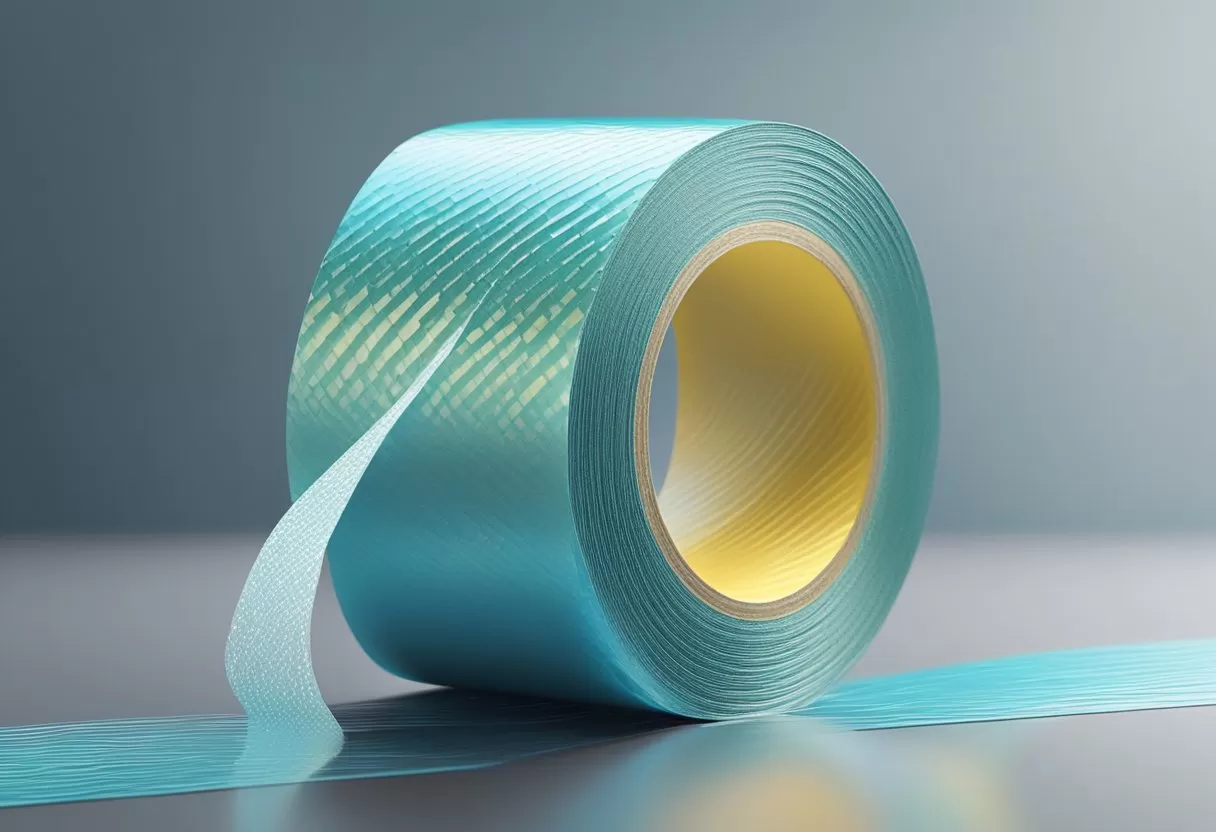
To address this issue, industrial packaging specialists rely on high-performance fiberglass tape (also known as filament tape). By combining high-tensile glass yarns with specialized adhesive backings, this material provides structural reinforcement without the safety hazards or application costs of steel banding.
However, many logistics professionals assume that a higher tensile strength rating automatically guarantees reliable packaging. In reality, real-world transport failures often stem from poor adhesive wet-out, backing delamination, or incorrect yarn configuration rather than insufficient tensile limits. This article explores the engineering factors behind customized pressure-sensitive tapes to help you optimize your specifications.

The Core Engineering Problem: Beyond Basic Tensile Ratings
When specifying fiberglass tape for custom B2B applications, buyers often focus on a single metric: ultimate tensile strength. While tensile strength (typically measured under ASTM D3759) is important, it does not represent the full performance profile of the tape in transit.
During transport, cargo experiences multi-directional forces. Shifting containers, sudden braking, and thermal expansion exert dynamic stress on packaging materials. A tape with exceptional linear tensile strength may fail if it lacks sufficient cross-direction resistance, or if its adhesive shear strength cannot withstand constant tension.
Furthermore, modern packaging utilizes recycled corrugated fiberboard. This material features shorter fibers and residual processing chemicals, resulting in a low surface energy (LSE) substrate. Standard adhesives struggle to bond with these surfaces, leading to lifting and compromised packaging integrity.
To solve these issues, custom tape design must balance three interconnected elements: fiber configuration, carrier film dynamics, and specialized adhesive chemistry. Understanding these variables allows you to build a reliable solution tailored to your operational environment.
1. Fiberglass Geometry: Mono-directional vs. Bi-directional
The arrangement of glass yarns inside the carrier film determines the tape's resistance to tear and tension. Understanding these structural differences is essential for matching the tape to its specific application.
Mono-directional Filament Tape
In mono-directional configurations, the fiberglass filaments run parallel to the length of the roll. This design provides high longitudinal tensile strength, making it ideal for pallet unitization, pipe bundling, and sealing heavy-duty double-wall cartons.
While mono-directional tape excels at resisting linear tension, it can easily split lengthwise if punctured. It is best used in applications where lateral forces are minimal and application surfaces remain relatively flat.
Bi-directional (Cross-weave) Filament Tape
Bi-directional fiberglass tape features a cross-weave pattern, incorporating glass yarns in both longitudinal and transverse directions. This grid structure provides high resistance to tearing in both directions, making it nearly impossible to split during rough handling.
This cross-weave design is preferred for reinforcing shipping boxes containing heavy or irregular products, such as metal components or machinery parts. The dual-axis reinforcement prevents punctures from sharp corners and maintains box integrity even if the carton is dropped.
2. Adhesive Chemistry Matrix: Matching Chemistry to Substrate
The adhesive layer must transfer structural load from the glass fibers to the substrate. Choosing the wrong adhesive formulation can lead to premature failure, regardless of the tape's fiber strength.
Synthetic Rubber (Hot-Melt) Adhesives
Hot-melt synthetic rubber adhesives offer high initial tack and quick bond formation. They perform well on standard fiberboard and kraft paper substrates. However, their thermoplastic nature makes them susceptible to temperature fluctuations.
In hot warehousing environments exceeding 45°C, hot-melt adhesives can soften and lose cohesive strength, leading to slippage. Conversely, in cold-chain logistics below 5°C, they can become brittle and lose their bond. Manufacturers like Youyi offer modified hot-melt formulations to help broaden this operational window.
Natural Rubber Adhesives
Natural rubber adhesives provide high shear resistance and excellent adhesion to low surface energy materials, including recycled cardboard and plastic films. They remain flexible across a wide temperature range and clean-peel from many metal surfaces, making them suitable for temporary appliance holding.
The main trade-off with natural rubber is cost and susceptibility to UV degradation over extended outdoor storage. It is typically specified for high-performance industrial applications where bond reliability is critical.
Solvent Acrylic Adhesives
Solvent acrylic adhesives offer excellent resistance to UV light, oxidation, and extreme temperatures (-30°C to 120°C). They maintain their bond over months or years, making them ideal for long-term storage, outdoor bundling, and construction reinforcement.
Acrylic adhesives require more time to reach full bond strength compared to hot-melt formulations. For rapid-cycle automated packaging lines, this delayed wet-out must be factored into the production workflow.
3. Carrier Film Dynamics: The Role of PET and BOPP
The polymer backing holds the fiberglass filaments in place and shields them from moisture, abrasion, and environmental wear. The choice of carrier film influences how conformable and tough the tape is in real-world use.
Biaxially Oriented Polypropylene (BOPP) is the most common backing material. It offers good clarity, chemical resistance, and cost efficiency. BOPP is highly flexible, allowing the tape to conform well to curved surfaces and irregular bundles without lifting.
For more demanding applications, Polyester (PET) backings provide superior puncture resistance and thermal stability. PET films resist scuffing and physical wear, protecting the glass fibers during long-distance transit. Selecting a PET carrier ensures the structural fibers remain intact during rough handling.
The Tensile Triad Framework
To help custom tape specifiers navigate these technical trade-offs, we developed The Tensile Triad Framework. This model visualizes the balance required to design functional industrial tape.
Reliable tape performance depends on three balanced pillars:
Tensile Resistance: The maximum load the glass fibers can support along their axis (ASTM D3759).
Shear Adhesion: The adhesive's ability to resist continuous sliding forces on the application surface (ASTM D3654).
Elongation Control: The amount of stretch the tape allows before failure, helping to prevent cargo shifting.
Over-specifying one pillar while ignoring the others often leads to packaging failure. For example, selecting a tape with high tensile resistance but low shear adhesion on recycled cardboard can cause the tape to peel off under constant load.
Why High Tensile Ratings Can Increase Failure Rates
In tape design, more is not always better. A common misstep in the custom tape industry is assuming that upgrading to a higher tensile rating will automatically solve packaging failures. In practice, this can sometimes have the opposite effect.
High-tensile glass fibers are stiff and resist bending. When laminated onto thin, flexible plastic backings, these thick yarns create a stiff tape that resists conforming to tight angles, such as the 90-degree corners of a shipping carton.
This rigidity generates elastic recovery forces. The stiff fibers attempt to straighten out, pulling the tape away from the carton surface. If the adhesive's initial tack cannot overcome this spring-back force, the tape will lift at the edges, leading to packaging failure. Selecting a moderately rated, highly conformable fiberglass tape often yields a more reliable bond than an over-engineered alternative.
Custom Fiberglass Tape Selection Matrix
Use this reference table to match your specific application requirements with the appropriate tape characteristics.
| Application Scenario | Required Fiber Geometry | Adhesive Type Recommendation | Key Performance Metric |
|---|---|---|---|
| Heavy Pipe & Steel Bundling | Mono-directional (High Density) | Natural Rubber / High-Tack Hot-Melt | High Tensile Strength (>400 N/cm) |
| Recycled Cardboard Sealing | Bi-directional (Cross-weave) | Modified Hot-Melt or Natural Rubber | High 180° Peel Adhesion |
| Appliance Shipping (Clean Removal) | Mono-directional | Specialized Natural Rubber | Zero-Residue Clean Peel |
| Outdoor Storage & Construction | Bi-directional / Mono-directional | Solvent Acrylic | UV and Moisture Resistance |
A Checklist for Tape Buyers and Distributors
To ensure consistent quality when sourcing custom tapes, implement this evaluation checklist with your production partners:
Substrate Verification: Test peel adhesion (ASTM D3330) on your specific packaging materials, especially if using recycled boards.
Temperature Profile: Verify that the transport environment stays within the adhesive's stable operating range.
Application Method: Determine if the tape will be applied manually or via automated systems, as this affects the required unwind tension.
Storage Conditions: Store rolls in a cool, dry environment (typically 21°C and 50% relative humidity) to preserve adhesive shelf life.
Manufacturer Quality Control: Partner with ISO 9001-certified manufacturers like Youyi to ensure uniform adhesive coating and consistent yarn density.
Frequently Asked Questions
Why does my custom tape lift from recycled cardboard boxes?
Recycled cardboard has short fibers and often contains surface contaminants or processing waxes, creating a low surface energy (LSE) substrate. Standard adhesives cannot wet out properly on these rough surfaces. To resolve this, specify a high-tack synthetic or natural rubber adhesive formulated for recycled materials.
Can fiberglass tape withstand extreme shipping temperatures?
The tape's temperature resistance depends primarily on its adhesive chemistry. Hot-melt adhesives can soften in high heat (above 45°C) and harden in extreme cold. For temperature-sensitive routes, use natural rubber or solvent acrylic adhesives, which maintain their physical properties across a wider temperature range.
What is the shelf life of customized filament tape?
Under recommended storage conditions (21°C and 50% relative humidity, away from direct sunlight), standard filament tape has a shelf life of approximately 12 to 18 months. Beyond this period, adhesive layers may undergo gradual oxidation, which can reduce tack and peel adhesion.
Designing a Reliable Packaging Solution
Specifying industrial tape involves more than simply choosing the highest tensile strength on a datasheet. True reliability requires matching the fiber geometry, carrier film, and adhesive formulation to your specific logistical challenges.
By understanding the balance of fiber direction, carrier backing, and adhesive chemistry, you can optimize your packaging processes, minimize product damage, and reduce material waste. Partnering with an experienced manufacturer like Youyi provides access to advanced adhesive formulations, precise manufacturing standards, and technical testing resources to support your applications.
To discuss your custom tape specifications or request technical samples for laboratory testing, contact the engineering team at Youyi today.
